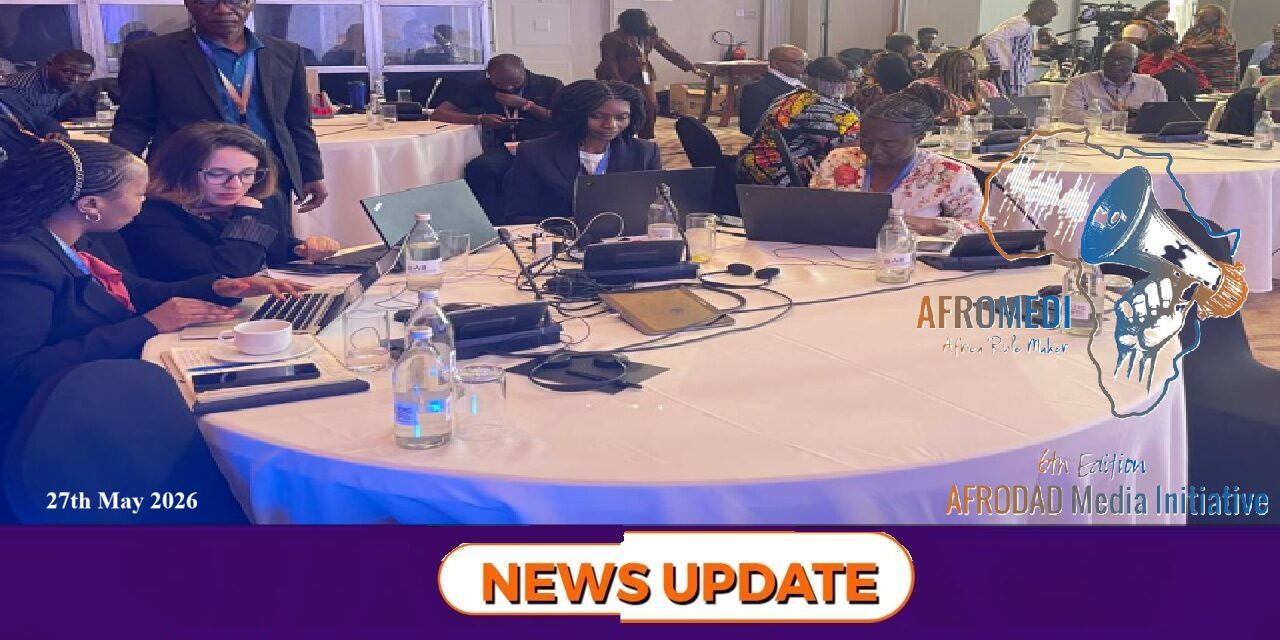
Nairobi, Kenya, 27th May 2026- The Sixth Edition of the African Forum and Network on Debt and Development (AFRODAD) Media Initiative (AFROMEDI VI) has officially kicked off in Nairobi, Kenya, bringing together journalists and policy makers from across the continent for three days of intensive engagement on debt, fiscal justice, and economic governance.
Launched in 2021, AFROMEDI has already trained more than 600 journalists from 37 African countries, building a network of reporters committed to strengthening public discourse and accountability around Africa’s debt challenges. This year’s edition, running from May 27–29, carries the theme “Partnering with Media to Advance Socio-Economic Justice and Africa’s Common Position on Debt.”
The initiative equips journalists with analytical tools to interrogate sovereign debt structures, private creditor influence, extractive-sector financing, and the socio-economic impacts of austerity. It also deepens understanding of how historical extraction, illicit financial flows, and structural inequalities continue to shape Africa’s debt vulnerabilities today.
Organizers say the theme aligns with the African Borrowing Charter, the African Union’s Common African Position on Debt (CAP) under the Lomé Declaration, and the AU’s Agenda 2063, positioning journalists as key partners in advancing continental debt reform.
The event’s key objectives include: Strengthen media capacity to report on sovereign debt management, fiscal justice, and global financial architecture, engaging with AU frameworks, including the Lomé Declaration on Debt, humanizing debt issues through people-centred storytelling that connects macroeconomic policies to everyday realities and expanding the Media Debt Network Africa (M-DNA), fostering collaboration and sustained learning.
By the close of the three-day program, AFROMEDI VI is expected to deliver: Evidence-based reporting with greater frequency and quality on debt and fiscal justice, stronger media participation in continental and global financial policy debates.
It also seeks accessible coverage that links macroeconomic policies to their impact on communities, public services, and development outcomes and expanded collaboration through M-DNA and continued engagement via AFRODAD’s Courses on Debt & Development (A-CoDD).
AFROMEDI VI underscores the growing recognition that journalists are not just storytellers but vital actors in shaping Africa’s fiscal future.