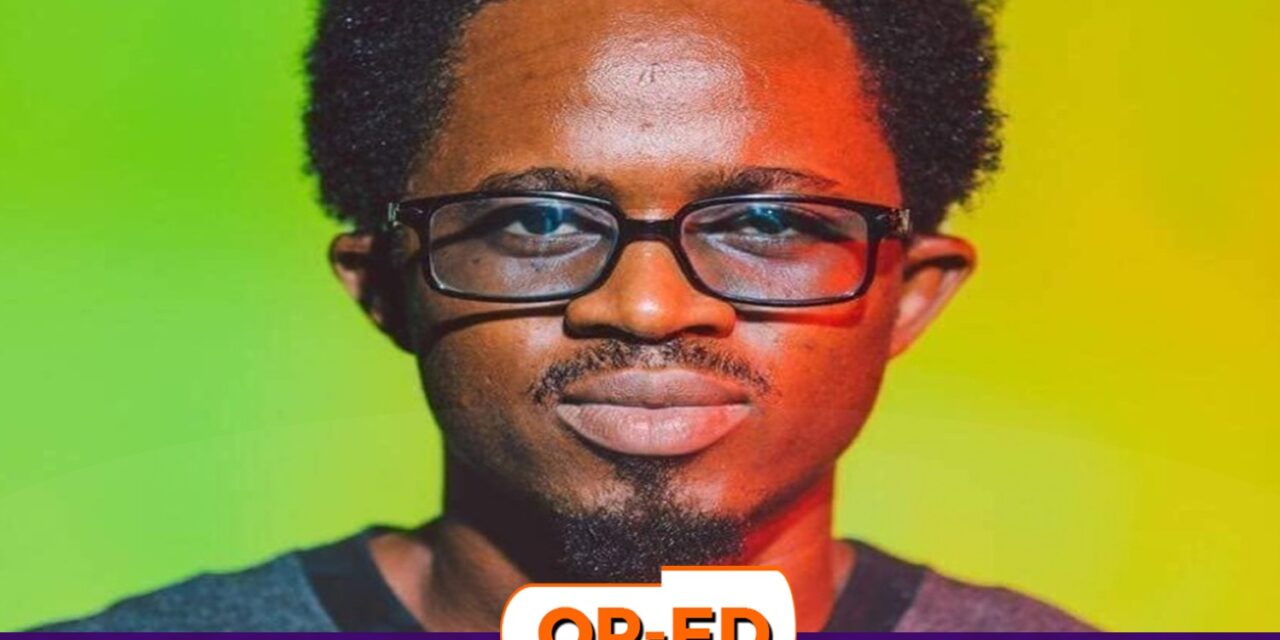
By Jaime Yaya Barry
Freetown, 23rd June 2026- We need serious and mature minds to lead government actions and national conversations on this drug issue. We also need these mature, sane minds in conducting important public and private conversations about our European Union partners.
Sierra Leone currently faces a major drug trafficking and consumption problem. The evidence is right on our streets, bars, schools, nightclubs, and other parts of our communities. Recent record-breaking seizures of drugs, allegedly originating from our ports, on several occasions, should be a cause for great concern for any senior government official and the good citizens of Sierra Leone. Because such news will not only damage our country’s reputation, as we are experiencing, it poses a major threat to our national security.
The problem of our country being considered a haven for drug traffickers cannot be solved by distorted talks of a colonial mindset, constant denial, and, by extension, accusing our European Union partners of violating our sovereignty.
Yes, drug trafficking is a very complex issue, and even nations with advanced surveillance and security systems still face this challenge. So, it is easy for struggling countries like Sierra Leone to be used by drug lords to carry out their illegal activities. The country has very porous borders and lacks the basic resources and advanced infrastructure needed to monitor its routes.
That is why it is worrying to hear very senior government officials make insane claims about monitoring and “tracking” ships entering and leaving our ports from their office windows. To “sit right here” and be able to determine which ship carries drugs and which doesn’t, just by looking through an office window some kilometers away, shows the level of seriousness in our fight against drug trafficking. What is more troubling is that, for senior government officials who sit in the country’s highest level of security meetings, to say they don’t know an individual who sits next to them and the President of the republic during a church service.
Yes, you do not go to church to find out who sits next to whom, but your security protocol requires you to know who does. A “random” person cannot just appear and sit next to you and the president in a public place without first being vetted by security. Failure to do this means there are huge security lapses around you and the president, which should be of great concern. And if news comes out later about this random white man, who showed up in church and sat next to you and the president, in the president’s village, is among the most wanted criminals in Europe, you, who sit in high-level security meetings, should be worried and right away find out who invited this individual and allowed him to sit between you and the head of state.
And when asked about who this white man was who sat between you and the president, you say, “My wife is white, I don’t notice white people, or black people.” How do you know your wife is white if you don’t notice “white people”?
It is refreshing to know that we still have individuals like the Vice President, Mohamed Juldeh Jalloh, who, in his wisdom, sees this as a cause of great concern and calls for both local and international collaboration to curb this menace. These are the types of conversations and assurances citizens want to hear from their leaders.
We must hold conversations on how to strengthen partnerships. Our discussions should focus on collaboration and intelligence sharing with our partners in the European Union on drug trafficking and more robust border surveillance. We must seek partnerships for capacity building for our security forces and equipping them with the right tools and knowledge on drug trafficking and other transnational crimes. Through initiatives such as the European Peace Facility, Sierra Leone could seek further assistance to have a dedicated security package to improve its maritime defense and counterterrorism capabilities and to curb all forms of trafficking, including drug and human trafficking. Our current drug crisis should serve as an opportunity to reinforce strategic partnerships and build systems to make our country and the region safer.
What Sierra Leone needs right now are leaders who put the country’s goals over their own political interests. Leaders who do not let their egos get in the way of their ability to engage in constructive dialogue and hold important discussions for the good of the country and our people.