Nairobi, Kenya, 27th May, 2026 — Africa’s debt burden dominated the opening of AFROMEDI VI in Nairobi, where the African Forum and Network on Debt and Development (AFRODAD) Interim Executive Director Yungong Theophilus Jong warned that every repayment drains resources from essential services like schools, hospitals, and infrastructure.
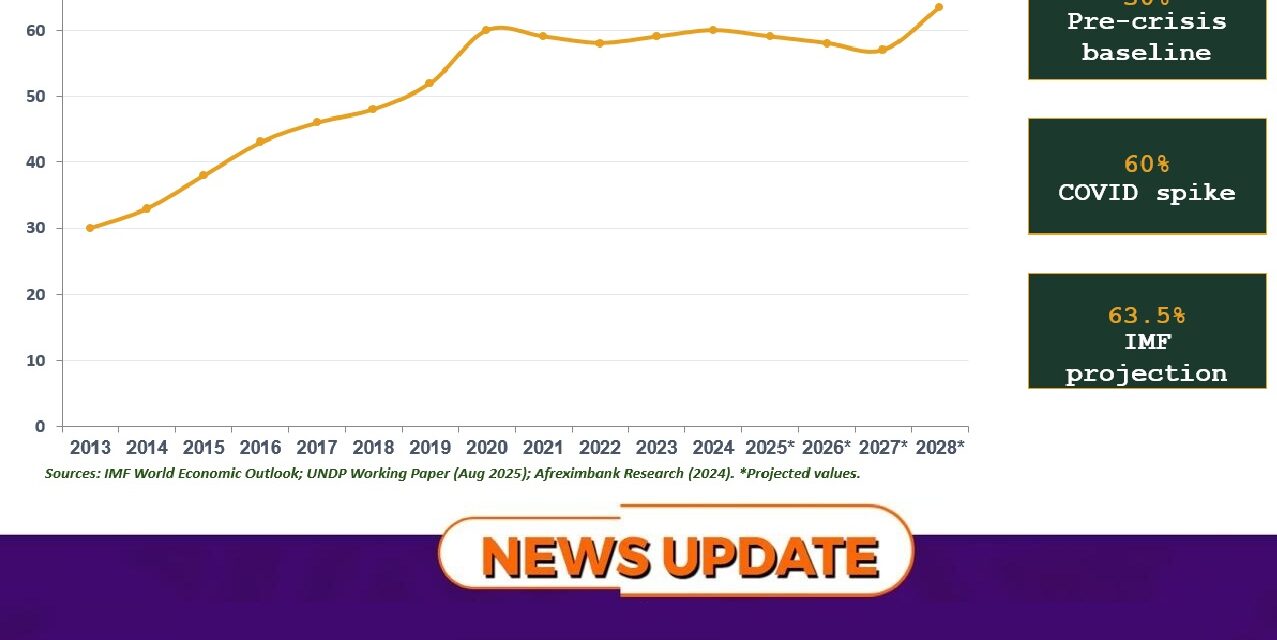
Jong highlighted the secrecy of debt contracts and the restrictive loan conditions that undermine sovereignty, stressing citizens’ right to transparency. He noted that Sub-Saharan Africa’s public debt has doubled in a decade, reaching 60% of GDP by 2024, with governments facing $20 billion in interest payments in 2025 alone.
External debt servicing soared to $163 billion in 2024, a 167% jump since 2010, leaving 21 low-income countries in or near debt distress. Creditors are diverse: 39% multilateral institutions, 35% private lenders, 12% Chinese financiers, and 14% other bilateral.
Jong emphasized that robust public databases, including IMF, World Bank, and ONE Data, provide tools for journalists to verify official claims and produce evidence‑based reporting. By connecting debt figures to everyday realities, reporters can show constituents exactly what is being traded away when governments prioritize debt service over social investment.
“Understanding debt exposes who really controls national economic decisions,” Jong noted, urging the media to hold governments accountable and ensure citizens are informed about the long‑term consequences of borrowing.
Africa’s Debt Crisis is no longer a distant policy debate. With debt service consuming unprecedented resources, the challenge is immediate and the responsibility to tell the story falls squarely on the shoulders of Africa’s journalists.