Freetown, 13th July 2026- Sierra Leone’s fiscal consolidation, which delivered a domestic primary surplus in 2025, is now facing mounting challenges in 2026. According to the IMF in its latest review under the extended credit facility arrangement, the authorities achieved a domestic primary surplus of 1.3 percent of GDP in 2025, reversing a 2.7 percent deficit in 2024.
Tax revenues grew by 0.8 percentage points of GDP, while spending cuts fell heavily on domestic capital projects.
But early 2026 has brought renewed strain. Preliminary figures show that revenues underperformed by 10 percent in the first quarter, largely due to poor compliance. While most measures under the 2026 Finance Act, expected to yield 1.5 percent of GDP in additional annual tax revenues, have been implemented, key provisions such as the removal of GST exemptions on water and magazines and the expansion of the circulation levy remain pending.
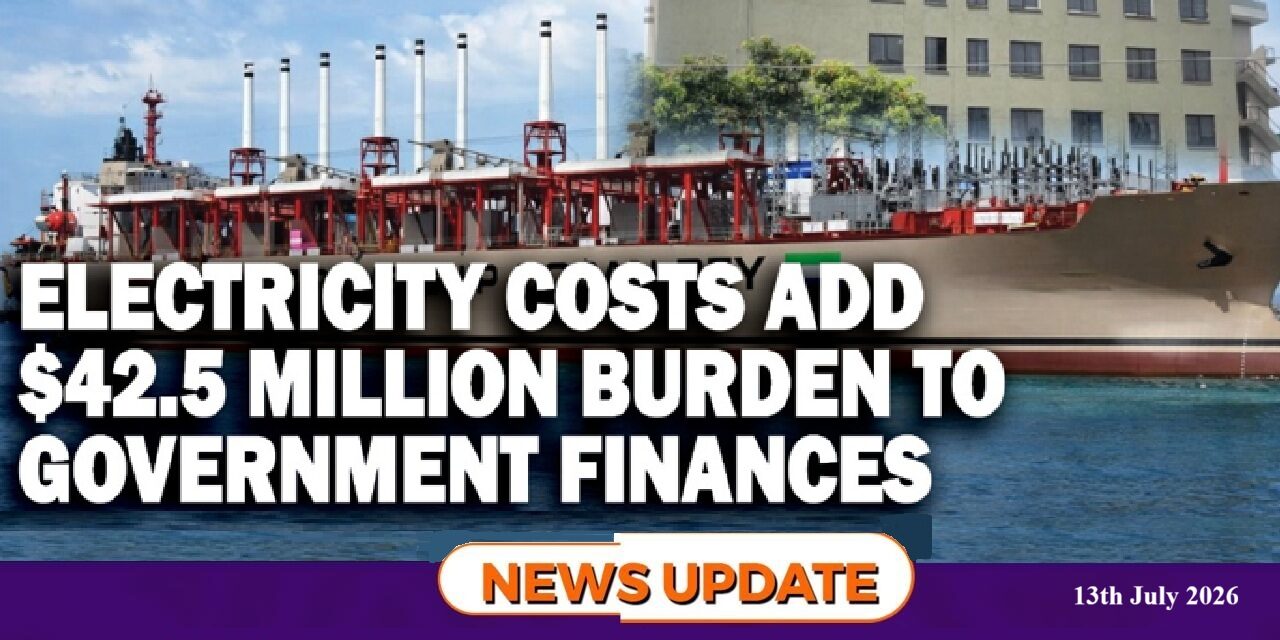
Electricity sector transfers are adding further pressure. Authorities expect to provide an additional US$42.5 million to the national utility, EDSA, to meet obligations to Independent Power Producers (IPPs) and ensure continuity of supply.
Global shocks are compounding the strain. Amid the war in the Middle East, fuel prices have risen sharply in 2026, 28 percent for petrol and 46 percent for diesel. To cushion consumers from more disruptive price movements, the government has maintained temporary subsidies since April, amounting to 1.1 NLe per liter for petrol and 4.3 NLe per liter for diesel, despite the absence of a strong social safety net.
On the monetary side, the Bank of Sierra Leone (BSL) has kept policy aligned with its single‑digit inflation objective. Reserve money growth in 2025 and the first quarter of 2026 broadly matched program projections. In December 2025, the BSL cut the policy rate by 200 basis points to 16.75 percent, assessed to be close to neutral. Since then, it has refrained from further easing, citing uncertainties linked to the Middle East conflict.
The figures highlight a delicate balance: fiscal consolidation has delivered gains, but revenue shortfalls, rising energy costs, and external shocks are testing the sustainability of Sierra Leone’s economic recovery. Policymakers now face the challenge of maintaining discipline while cushioning households and businesses from mounting pressures.