Freetown, 15th June 2026 – A major concession agreement between the Government of Sierra Leone and Aminata & Sons (SL) Limited, granting the company exclusive rights to rehabilitate, operate, and manage four petroleum storage tanks at Kissy Terminal and the Port vicinity, has raised questions about transparency and parliamentary oversight.
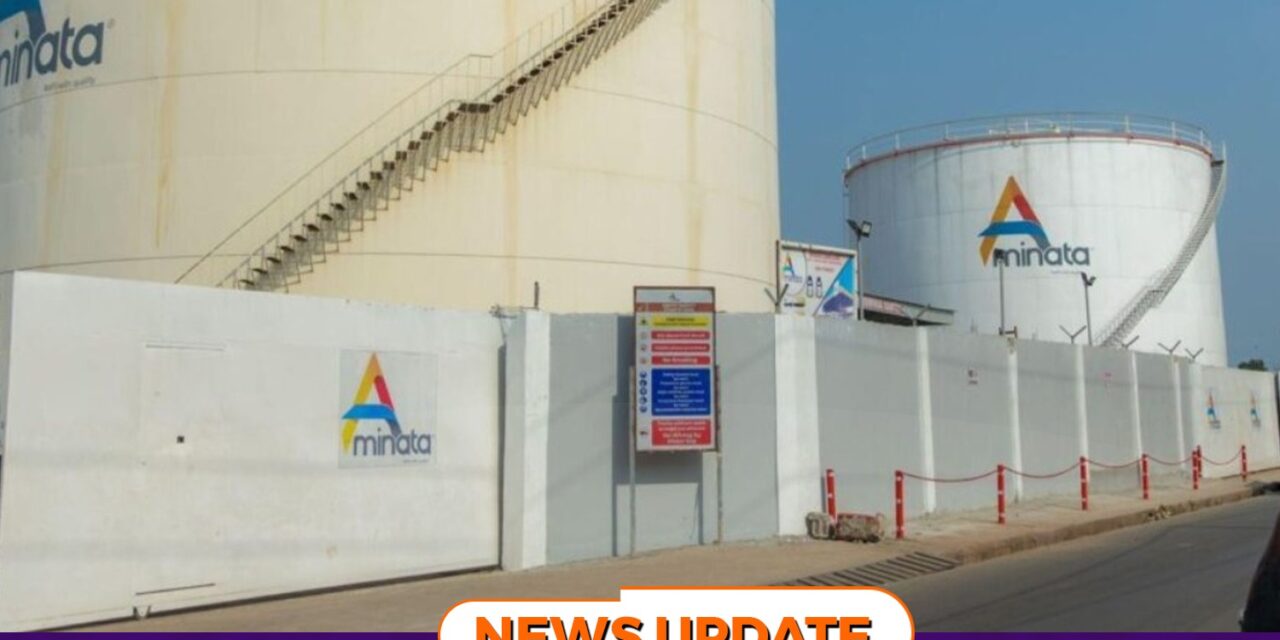
The deal, based on a 21‑page agreement that was once listed on Parliament’s order paper but never tabled for discussion, gives Aminata control over two non‑operational tanks at Kissy Tank 2 (4,500 metric tons) and Tank 8 (5,000 metric tons) as well as two additional tanks leased from the Sierra Leone Ports Authority. The company also gains berthing rights to discharge petroleum vessels directly at the port.
Hon. Francis Amara Kai‑Samba, Chairman of Parliament’s Finance Committee, confirmed to Truth Media that the agreement has never been formally laid before lawmakers. “At some point in time it was on the order paper but it was withdrawn; therefore, it was never discussed. An agreement of such nature needs to be laid. When it is laid, then Parliament can discuss it. If not, we would not even comment on it,” he said.
The concession requires Aminata to finance rehabilitation, construct pipelines, and assume responsibility for maintenance and security. In return, the government has offered fiscal incentives including tax exemptions on imported equipment, deferred import taxes on petroleum products, and deductions for corporate social responsibility spending.
While some argue the deal will strengthen national fuel reserves and prevent shortages, competitors warn it could undermine fair competition. “This agreement effectively hands Aminata a dominant position in fuel storage and distribution,” one industry insider noted, cautioning that smaller operators may struggle to compete against a company with exclusive access to strategic infrastructure and generous concessions.
The agreement also stipulates that Aminata will cover 35% of operational costs at Kissy Terminal while enjoying priority loading slots. The company is exempt from import duties on machinery for five years and granted deferred tax payments on petroleum imports for three years, subject to interest.
To some the agreement is a strategic move to secure reserves and stabilize supply. But with Parliament yet to debate the agreement, critics say the lack of legislative scrutiny raises concerns about accountability and the long‑term impact on Sierra Leone’s petroleum sector.
If this agreement is anything to go by, after approval, Aminata will be positioned at the heart of the country’s fuel logistics. The spotlight is on Parliament to ensure that such concessions are properly examined balancing the need for investment with the imperative of fair competition and transparency.