By Andrew Chokpeleh
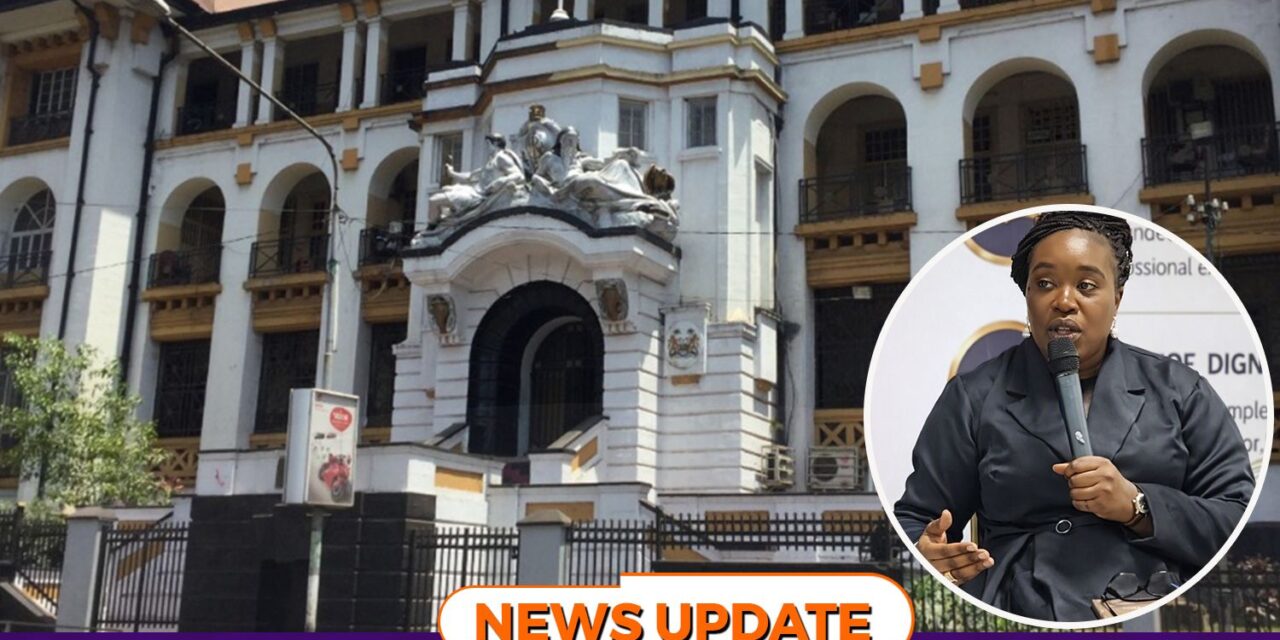
Freetown, 30th July, 2026 – The Sierra Leone Bar Association (SLBA) has once again found itself at the center of controversy, as its leadership, headed by President Adama Tuma Jabbi, seeks Supreme Court intervention over a High Court ruling that ordered the Association to proceed with its executive elections.
Confirming the latest legal move, the Association’s Public Relations Officer stated: “Yes, we have filed an application before the Supreme Court for judicial review of the decision of Justice Mark Ngegba. Amongst the said application is also an ex parte application.”
The current executive has requested that the list of lawyers eligible to vote remain sealed until the Supreme Court delivers its judgment. The move has sparked debate within legal circles, with critics warning that withholding the voters’ register could erode confidence in the transparency of the elections, while supporters insist it is necessary to safeguard the integrity of the process.
The dispute is the latest chapter in a feud that has plagued the legal profession since the 2024 SLBA elections in Kenema. Jabbi won that contest, but a faction of lawyers rejected the outcome, questioning the credibility of the process and the involvement of Anti-Corruption Commissioner Francis Ben Kaifala, who presided over the vote.
The fallout led to the creation of a rival body, the Lawyers’ Society, under the leadership of Augustine Sorie Sengbe Marrah. Since then, Sierra Leone’s legal community has remained split between the SLBA and the breakaway group, with unity proving elusive.
As preparations for this year’s Annual General Meeting (AGM) intensified, new disputes emerged. Some members complained that the Association’s Treasurer was unavailable to process subscription payments, potentially disenfranchising lawyers who had already paid their dues.
The SLBA initially announced a postponement of the AGM, but Attorney General and Minister of Justice Alpha Sesay intervened, directing the Association to hold the meeting within a set timeframe. In his letter, Sesay emphasized his role as the “tutelary head of the Bar.” The matter was later brought before Justice Mark Ngegba, who ordered the executive to conduct elections in line with the Association’s Memorandum and Articles of Association.
In an effort to calm tensions, Jabbi’s executive convened a town hall meeting to outline its achievements and reassure members of its commitment to a credible vote. Addressing criticisms of the disputed 2024 elections, Jabbi stressed that she was not part of the executive that organized the Kenema poll, describing herself as a beneficiary rather than an administrator.
She pledged that the forthcoming elections would be “free, fair, transparent, and credible.”
Despite these assurances, the decision to seek Supreme Court review and block publication of the voters’ list has reignited debate.
As lawyers prepare to cast their ballots, public attention remains firmly fixed on the Bar Association. For many, the outcome of this election will determine whether Sierra Leone’s legal fraternity can overcome years of division and reaffirm its role as a guardian of justice and the rule of law.