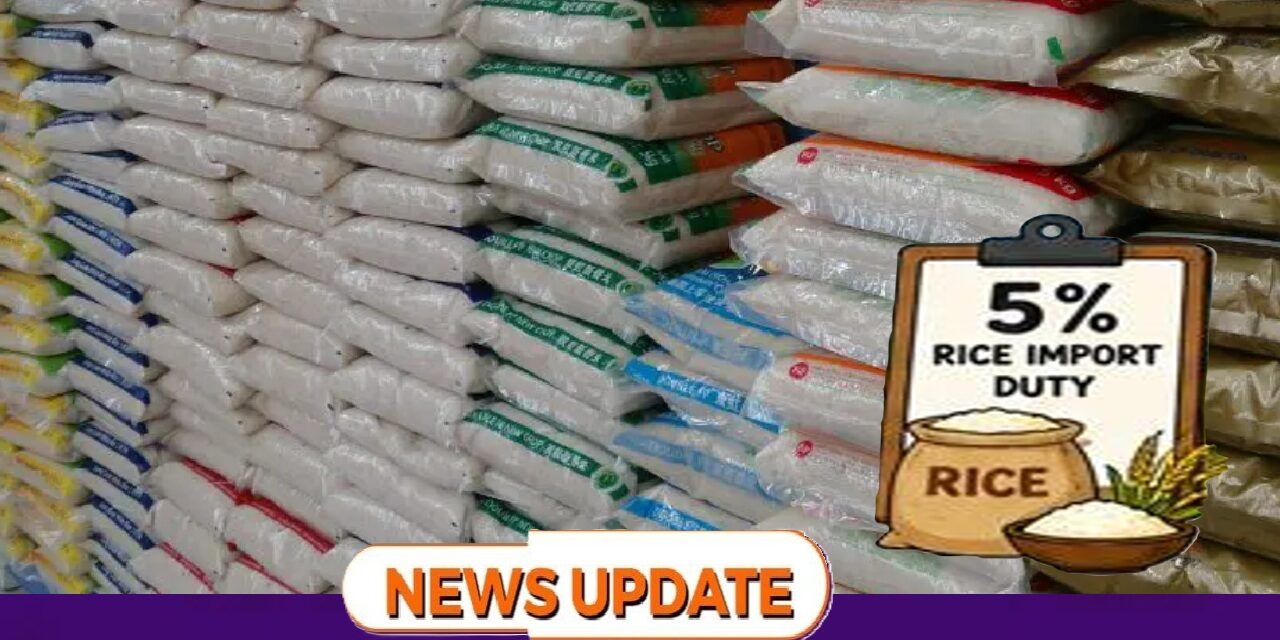
Freetown, 7th August 2026 – Sierra Leone’s reintroduced 5% rice import duty, part of the 2024 Finance Act, has generated significant revenue but failed to deliver meaningful benefits to women farmers, according to a new policy brief by the 50/50 Group and Budget Advocacy Network (BAN), with support from Christian Aid.
The duty, designed under the Medium‑Term Revenue Strategy (MTRS) to mobilise funds for agricultural development through the Agricultural Development Fund (ADF) and support the Feed Salone programme, raised Le365.2 million between 2024 and 2025. Yet only Le31.9 million about 9% was transferred to the ADF, undermining the policy’s intended impact.
The study highlights that women, who make up the majority of Sierra Leone’s agricultural labour force and bear primary responsibility for household food security, were disproportionately affected. Higher rice prices forced households to cut consumption, buy smaller quantities, or substitute rice with less preferred foods.
Although government later introduced a rice pricing formula to stabilise costs, women farmers saw little benefit from agricultural investments linked to the tax revenue. Existing support programmes often favour larger producers, leaving smaller‑scale women farmers excluded from mechanised schemes, tax exemptions, and financing opportunities.
The brief recommends stronger accountability measures, including: Fully and promptly transfer all rice import duty revenues to the ADF on a quarterly basis by the Ministry of Finance.
Ministry of Agriculture and Food Security should earmark at least 30% of rice duty revenues for women farmers, in line with the Feed Salone programme and the 2023 Gender Equality and Women’s Empowerment (GEWE) Act.
And the National Revenue Authority should publish quarterly reports on revenue collected from the rice import duty.
The brief concludes that the rice import duty has untapped potential if implemented through a gender‑responsive framework. It stresses that macroeconomic and tax policies must go beyond revenue generation to actively promote gender equality, food security, and inclusive growth.
With stronger accountability, equitable resource allocation, and deliberate support for women farmers, the rice import duty could become a powerful tool for empowering women and strengthening Sierra Leone’s agricultural sector.