By Davida Spaine Solomon
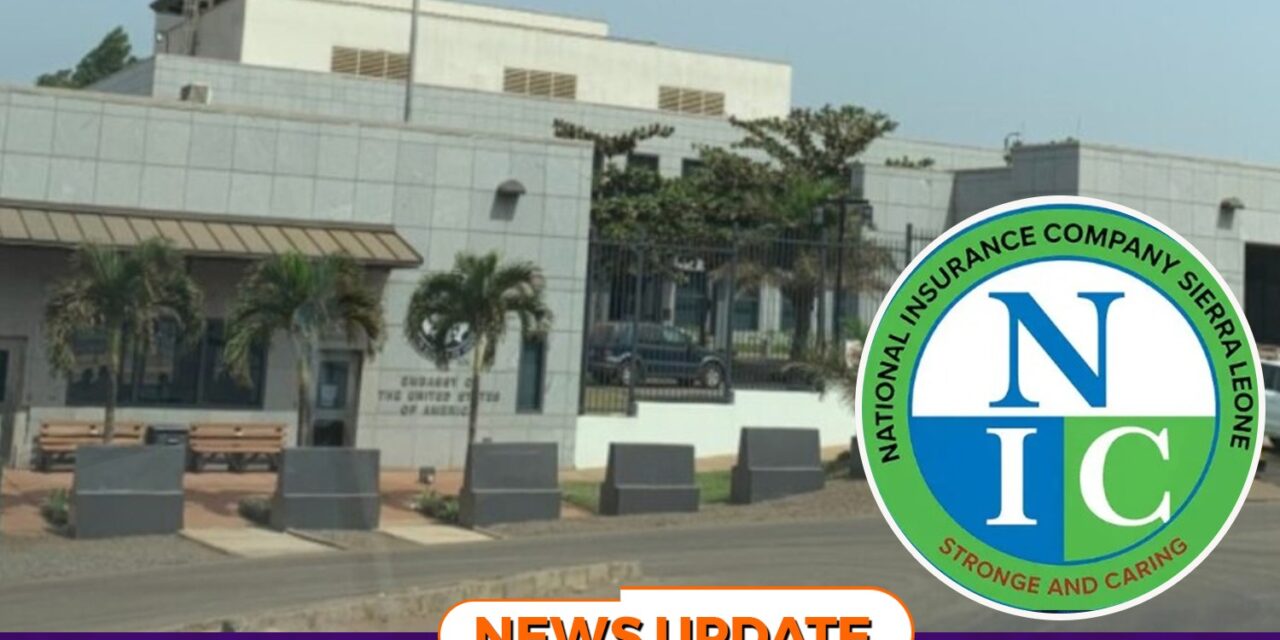
Freetown, 18th June 2026- Employees of the U.S. Embassy in Freetown have accused the National Insurance Company (NIC) of breaching its contractual obligations by failing to refund savings and insurance contributions months after they terminated their policies.
The affected staff members say they ended their savings and insurance arrangement with NIC in early 2025, completing the process in April. They claim they were expecting refunds by December 2025 under an agreed payment plan, but have yet to receive their money.
“We are really not happy with NIC and the way they have treated us,” said Alhassan, one of the affected employees. “The agreement was for us to receive our money back by December 2025 at the latest, but they have failed to honour that commitment. We have held several meetings with them, but nothing has come out of those engagements.”
The employees say the delays have significantly eroded the value of their savings because the contributions were made in Sierra Leonean leones, which have depreciated against the U.S. dollar.
“Our money keeps depreciating by the day because we paid into the scheme in leones,” Alhassan said. “People who have been saving with the company for 10 to 15 years have already lost significant value due to the depreciation of the currency.”
According to him, concerns over the falling value of the Leone and what employees considered low annual interest payments were among the reasons they chose to terminate the arrangement.
Another embassy employee, who requested anonymity, said she is considering legal action if the matter remains unresolved.
“My hard-earned savings are sitting with NIC and doing nothing for me,” she said. “The company has also stopped paying interest on the money. If I do not receive my refund, I will seriously consider taking legal action.”
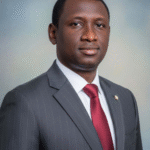
In response, NIC Managing Director Jabez B. Rogers-Wright Jr. disputed claims that the company had agreed to refund the employees by December 2025, insisting that the date was only part of a proposed payment plan.
“We proposed a timeline, but they were not comfortable with it,” Rogers-Wright said. “There was no final agreement committing the company to pay by that date.”
The NIC boss acknowledged that the state-owned insurer is facing serious financial difficulties, which he said predate his appointment in November 2024.
“When I assumed office, I inherited huge liabilities,” he said. “The company is dealing with significant challenges, and our inability to settle this matter stems from financial incapacity.”
Rogers-Wright said he has written several letters to the government seeking intervention and support to help the company address its liabilities, including the claims involving U.S. Embassy employees.
He also expressed concern about the potential diplomatic implications of the dispute.
“The American Embassy is an international institution. If this matter remains unresolved, it could affect the relationship between a state-owned institution and the embassy,” he said. “I am equally troubled by the situation and have been exploring every possible avenue to resolve it.”
Despite the financial challenges, Rogers-Wright maintained that NIC remains committed to honouring legitimate claims and policy obligations, emphasizing that claim settlement is fundamental to the insurance business.
The affected embassy employees, however, continue to demand the immediate repayment of their funds, arguing that prolonged delays have already caused substantial financial losses and undermined confidence in the state-owned insurer.