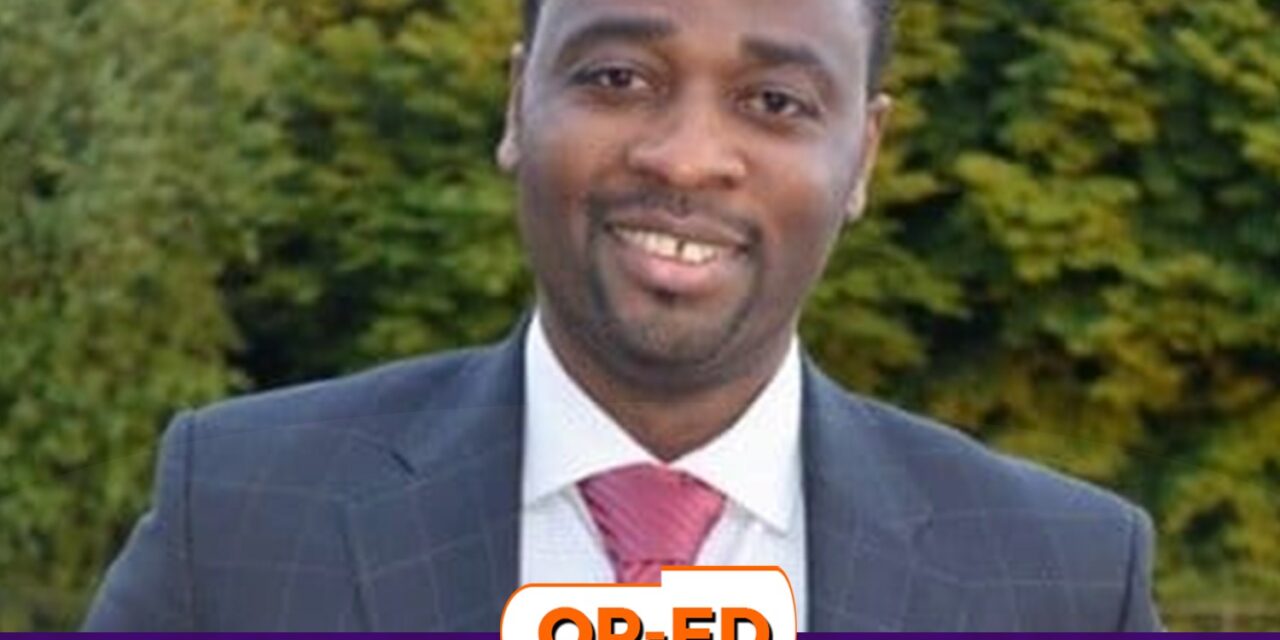
By Paul Kpaka
29th July 2026- The successful hosting of the recent ECOWAS Heads of State and Government Summit in Lungi was, by most accounts, a diplomatic achievement for Sierra Leone. It provided the country with an opportunity to showcase itself before regional leaders and reaffirm its commitment to regional cooperation. For that, the government deserves recognition.
The summit also revealed something potentially more significant for Sierra Leoneans than the diplomatic communiqués issued at the meeting. It showed that with political will, clear priorities, and direct presidential oversight, government institutions can operate with remarkable speed and efficiency.
The newly built Julius Maada Bio Conference Center in Lungi was central to the summit. Reports indicate that the facility and supporting infrastructure, including a hotel, logistics facilities, and presidential villas, when fully completed, will cost $124 million. Regardless of opinions on the investment, the project’s rapid delivery is notable.
President Julius Maada Bio’s personal involvement in the preparations was also significant. Before the summit, he visited the venue to inspect progress and ensure every detail was addressed before welcoming visiting heads of state and dignitaries. This reflects a hands-on leadership style focused on execution, accountability, and attention to detail.
This leadership style appeared to influence the entire government. During preparations, nearly every cabinet minister and many heads of ministries, departments, and agencies were present in Lungi, each contributing in their own way to the summit’s organisation and execution. The coordination suggested an administration united under direct presidential leadership. After the summit, ministers and senior appointees publicly applauded the President, recognising his commitment and the collective effort behind the event.
For many Sierra Leoneans, however, that image inevitably invites comparison with the President’s approach to domestic governance over the past eight years. This comparison is uncomfortable because it raises a key question: if such urgency and personal attention can be mobilised for an international summit, why has the same commitment not been consistently applied to the daily challenges facing citizens?
This does not suggest that governing a nation is comparable to organising a three-day conference. The demands differ, and Sierra Leone faces complex structural challenges. Economic constraints, global shocks, institutional weaknesses, and historical underinvestment all affect government performance.
Nevertheless, leadership is ultimately measured by priorities. The issues dominating public concern have remained consistent during President Bio’s tenure. Electricity is still unreliable, and access to clean water remains a challenge for many communities across the country. These are not just technical problems; they are essential public services that affect health, businesses, and quality of life.
President Bio has publicly acknowledged the challenges in the energy sector, reportedly stating he resigned as Energy Minister because managing the sector had become nearly impossible. This shows his understanding of the complexity, but also highlights the expectation that such a critical sector should receive sustained presidential attention and leadership.
Infrastructure tells a similar story. The National Stadium in Freetown has been under rehabilitation for several years, with no clear completion date despite public expectations. The Youyi Building, which houses many government offices, continues to symbolise decades of neglect. Citizens experience these issues with public institutions far more directly than they do with international conferences.
Transport offers another telling example. For years, ferry services between Lungi and Freetown have faced criticism for reliability, safety, and operational standards. However, before the ECOWAS Summit, rehabilitation efforts reportedly ensured smooth travel for visiting dignitaries between the airport and the capital. This improvement was welcome. Many citizens question why similar urgency is rarely shown when the beneficiaries are Sierra Leoneans rather than foreign guests.
This is not an argument against investing in international diplomacy. Every nation benefits from strong regional engagement. Hosting high-level meetings can strengthen diplomatic relationships, encourage investment, and enhance national prestige. Sierra Leone should aspire to be an active and respected participant in regional affairs. But international recognition cannot become a substitute for effective domestic governance. Ultimately, governments earn legitimacy not by the quality of conferences they host, but by the quality of services they provide to their people. Citizens judge leadership by reliable electricity, access to clean water, functioning infrastructure, and responsive government institutions.
The ECOWAS Summit highlighted an important truth: the state can coordinate complex projects, meet tight deadlines, and deliver results when leadership is fully engaged. More importantly, it showed what political determination can achieve by uniting government efforts toward a common goal. For this reason, the summit has become more than a diplomatic event. It now serves as a benchmark by which many Sierra Leoneans are likely to assess the government’s overall performance.
Critics have often characterised President Bio’s leadership style as distant or aloof, arguing that he has not consistently displayed the level of personal engagement expected from the country’s highest elected office. His supporters, by contrast, point to achievements in areas such as education, infrastructure, and international diplomacy while arguing that many of the country’s difficulties are deeply rooted and cannot be resolved within a single administration.
Both perspectives deserve consideration. Yet the images from Lungi leave a lasting impression. They show a president personally inspecting preparations, mobilising ministers and senior officials, demanding readiness, and ensuring high performance from government institutions. They also depict an administration publicly acknowledging his leadership after the summit. Together, these images reveal a leadership style that is proactive rather than reactive, and visible rather than remote.
If that level of engagement can be achieved for an international summit, it is reasonable for citizens to hope and expect it will also be applied to the ongoing challenges affecting their daily lives.
The true measure of leadership is consistency. Exceptional effort during international events is commendable, but consistent attention to citizens’ needs is essential.
The success of the ECOWAS Summit should be remembered not only as a diplomatic achievement, but also as a reminder of what is possible when leadership is present, priorities are clear, and government acts with urgency.
The challenge now is to ensure that the determination shown in welcoming regional leaders becomes the standard for governing Sierra Leone every day. Achieving this would have the greatest and most lasting impact.