By Davida Spaine-Solomon
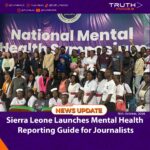
Freetown, 16th October, 2026 — Sierra Leone has launched a practical guide to help journalists report responsibly on mental health, neurological conditions and substance use disorders, as stakeholders call for greater public awareness, reduced stigma and stronger support for people affected by mental health challenges.
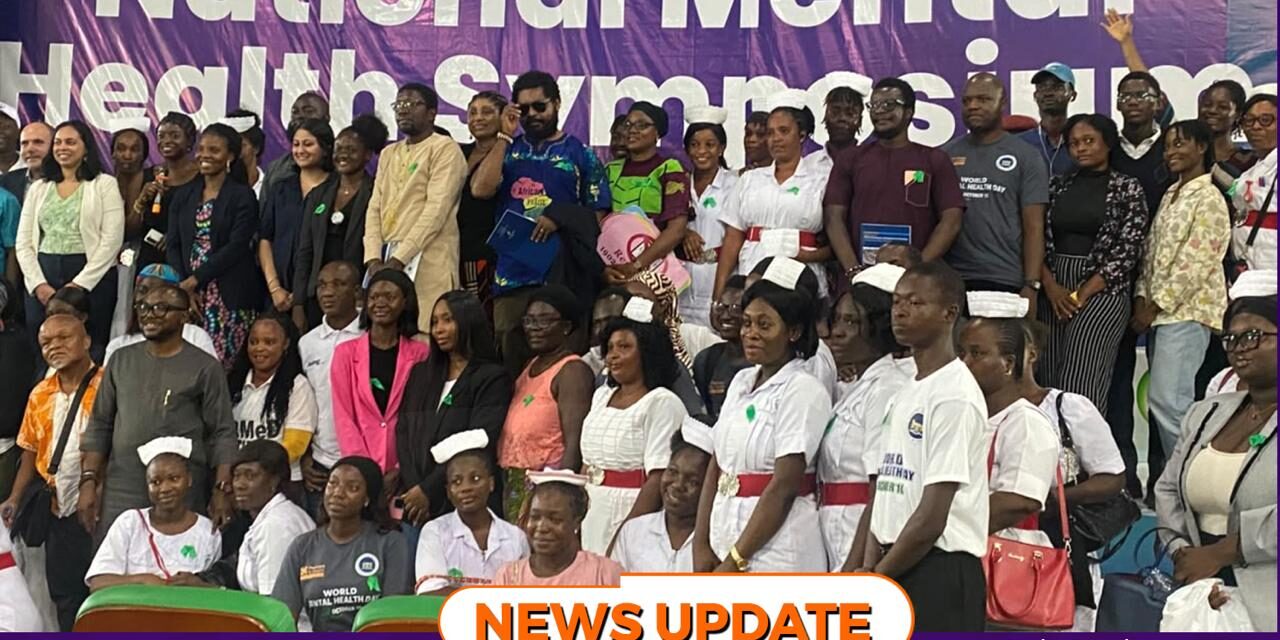
The guide, titled “Responsible Reporting on Mental, Neurological, and Substance Use Disorders: A Practical Guide for Journalists in Sierra Leone,” was launched at the National Mental Health Symposium held at the Miatta Conference Centre in Freetown on Thursday, 15th October, under the theme “Lived Experiences Heard: Real Voices, Real Change.”
Developed through a collaborative effort involving the Sierra Leone Association of Journalists (SLAJ), the Mental Health Coalition Sierra Leone, the Ministry of Health and Sanitation, The Carter Center and the Being Initiative, the document is designed to strengthen journalists’ capacity to cover mental health issues accurately, ethically and without reinforcing harmful stereotypes.
The guide provides practical advice on appropriate language, fact-checking, interviewing people with lived experience, reporting on suicide, and including information about recovery and available support services. It also encourages journalists to use person-first language, protect the dignity and privacy of individuals, and consult qualified professionals when reporting on mental health conditions.
According to the guide, an estimated 15 per cent of Sierra Leone’s population lives with a mental health disorder, while the treatment gap is estimated at 98 per cent. These figures highlight the need for increased awareness, accessible services and responsible public communication about mental health.
Speaking at the symposium, Minister of Employment, Labour and Social Security, Umaru Napoleon Koroma, highlighted the importance of mental health in the workplace. He identified four priority areas: creating psychologically safe workplaces, preventing discrimination, supporting people to remain in or return to employment, and strengthening social protection for people experiencing mental health challenges.
He stressed that mental health concerns should not be ignored in employment policies and workplace practices, noting that supportive environments are essential to the well-being and productivity of workers.
SLAJ President Alhaji Manika Kamara also emphasised the role of the media in shaping public understanding of mental health, noting that journalists must ensure their reporting does not deepen stigma or silence people affected by mental health conditions.
He said: “Mental health is not a luxury. It is an essential part of our well-being, and the media has a responsibility to report on it with accuracy, compassion and respect.”
Kamara further underscored the importance of listening to people with lived experience, explaining that their voices should be central to conversations and decisions affecting their lives.
He said responsible reporting requires journalists to move beyond stereotypes and sensational headlines and instead tell stories that reflect people’s real experiences, challenges and recovery journeys.
The Director of Mental Health and Non-Communicable Diseases at the Ministry of Health, Dr Abdul Jalloh, highlighted the impact of major crises on the mental well-being of Sierra Leoneans, including the civil war, the Ebola outbreak, the 2017 mudslide and the COVID-19 pandemic. He also raised concerns about substance use, including the misuse of Kush, tramadol and other drugs. He stated that mental health challenges also affect individuals, families and communities.
He called for greater awareness of conditions such as anxiety, bipolar disorder, neurodevelopmental disorders and epilepsy, while drawing attention to the effects of bullying, harassment and other forms of social pressure on mental well-being.
The launch of the reporting guide is expected to provide newsrooms with a practical resource for improving coverage of mental health and substance use issues across print, broadcast and digital platforms. It is also intended to support editors, producers, journalism trainers and reporters in making informed editorial decisions.
SLAJ plans to review the guide every two years to ensure it remains relevant to the country’s evolving media and mental health landscape, with the next review scheduled for 2028.
As Sierra Leone continues to confront mental health challenges, stakeholders say responsible journalism can help create space for open conversations, challenge discrimination and ensure that the experiences of people affected by mental health conditions are heard and represented with dignity.