By Ophaniel Gooding
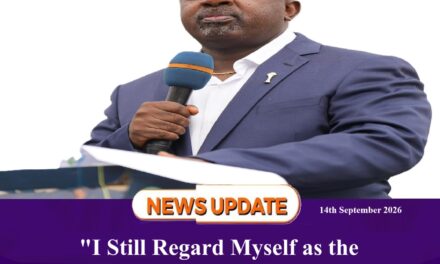
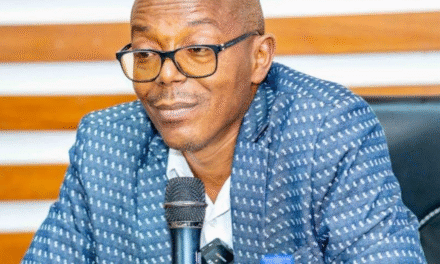
Lilongwe, Malawi, 16th July 2026– As debt burdens rise and global aid tightens, one message rang out at FLEX2026 in Lilongwe, Malawi: Africa must fund its own future. Speaking on Thursday, 16th July 2026, Minister of Basic and Senior Secondary Education Conrad Sackey urged African nations to take ownership of education financing, laying out how Sierra Leone is fighting to protect its investment in foundational learning even as fiscal pressures mount at home and abroad.
“It is important that African countries take ownership of the situation.”
With that single line, Minister Sackey set the tone, urging fellow nations to stop waiting on others to solve a challenge that is theirs to lead.
He backed his words with numbers. Under President Julius Maada Bio’s Free Quality School Education programme, Sierra Leone now commits 21 percent of its national budget to education. “That is a very good start,” Sackey told delegates, framing it as proof that African-led commitment, not dependence, is the path forward.
Yet Sackey was candid about the fiscal constraints facing Sierra Leone and the wider region. Debt servicing continues to consume a disproportionate share of national resources: 29 percent to debt, 21 percent to education. “We spend twenty-nine percent of our expenditure on servicing debt, while our commitment to education is twenty-one percent. You can see there is a huge challenge, and that cannot continue,” he said, naming the imbalance quietly straining classrooms across Africa.
To address this, Sackey outlined a two-pronged strategy:
Domestic efficiency– strengthening internal systems to identify and close resource leakages. “We need to look at our own system, identify where the leakages are, close them, and improve efficiency,” he said, adding that such gains would allow resources to be deployed “where they are needed most.”
Diversified financing– pursuing blended finance arrangements with public-private partnerships, deeper engagement with the private sector through Corporate Social Responsibility, and exploring debt swap mechanisms to free fiscal space for education. “We have a wide range of options under consideration, with a view to complementing government financing,” Sackey told the panel.
The discussion reinforced the momentum of the Africa Foundational Learning Ministerial Coalition, which Sackey chairs, as ministers exchanged lessons learned since the inaugural FLEX in Freetown and the second edition in Kigali.
The Ministry of Basic and Senior Secondary Education reaffirmed its commitment to foundational learning and to working with regional and international partners to secure sustainable financing for every Sierra Leonean pupil.