Freetown, 16th November 2026- The Inter-Religious Council of Sierra Leone (IRCSL) has formally apologised to the Kpaa Mende Confederacy, popularly known as the Wonde Society, and withdrawn allegations of cannibalism made by Pastor Francis A.M. Mambu, bringing closure to a controversy that has lingered for several years.
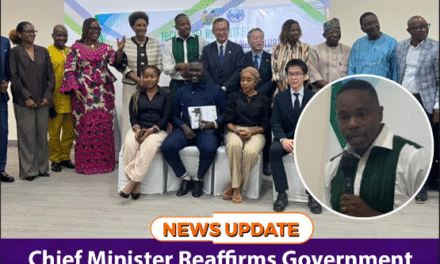
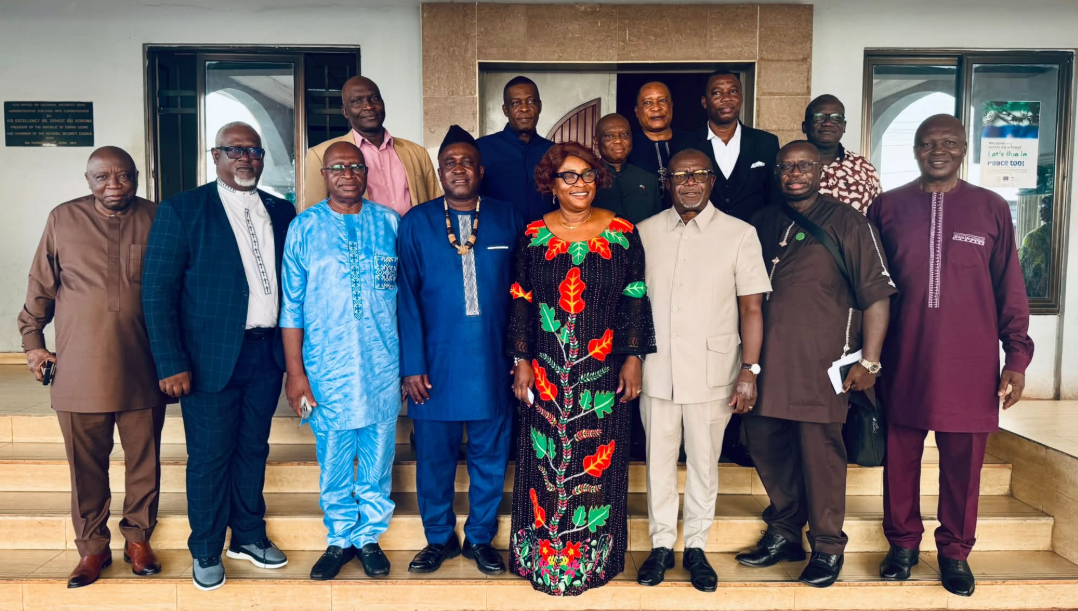
The apology was presented during a stakeholder engagement convened by the Ministry of Local Government and Community Affairs (MLGCA), which brought together government officials, religious leaders, traditional authorities and security stakeholders to address concerns arising from remarks attributed to Pastor Mambu about the Wonde, Poro, Bondo and other secret societies.
In a public statement signed by IRCSL General Secretary Rev. Dr. Usman Jesse Fornah on behalf of the Council and Pastor Mambu, the Council described the pastor’s comments as inappropriate, unsubstantiated and inconsistent with the values of responsible religious leadership.
The Council acknowledged that Pastor Mambu, during a sermon several years ago, made remarks suggesting that members of the Wonde Society practised cannibalism and further alleged that the Government of Sierra Leone was encouraging or condoning such acts.
IRCSL clarified that the statements reflected Pastor Mambu’s personal views and did not represent the position of the Council. It admitted that publicly associating members of the Wonde Society with cannibalism without evidence was offensive and damaging to the dignity and reputation of the traditional institution.
“The remarks were inappropriate and regrettable,” the Council stated, offering what it described as an unreserved apology to the leadership and members of the Kpaa Mende Confederacy.
The Council also apologised to the Government of Sierra Leone, retracting allegations that the State encouraged or condoned cannibalism or other criminal practices. It described the assertions as grave, unsupported and capable of creating misunderstanding while undermining public confidence in government institutions.
As part of efforts to address the matter, IRCSL disclosed that Pastor Mambu has been counselled on the responsibilities that accompany religious leadership and the consequences of public pronouncements made from the pulpit.
The Council reaffirmed that religious platforms should promote truth, peace, reconciliation and mutual respect rather than prejudice, hostility or division. It also pledged to strengthen engagement with traditional institutions, government authorities and religious organisations to foster dialogue and national cohesion.
Speaking during the meeting, Minister of Local Government and Community Affairs, Ambassador Tamba Lamina, welcomed the Council’s intervention and underscored the need for mutual respect between religious and traditional institutions. He warned that statements made by influential figures could have far-reaching implications for community relations and national unity.
Minister of Social Welfare, Melrose Karminty, described the engagement as a positive step towards reconciliation and revealed that government is working on a National Religious Tolerance and Practice Policy aimed at promoting peaceful coexistence, discouraging hate speech and strengthening religious tolerance.
Minister of Internal Affairs, AIG (Rtd.) Morie Lengor Esq., highlighted the security implications of inflammatory statements, urging religious leaders and other public figures to exercise caution when addressing sensitive cultural and religious issues.
Permanent Secretary of MLGCA, Prince Alex Soriba, reiterated the ministry’s commitment to resolving disputes involving religious and traditional institutions through dialogue, while National Security Coordinator Abdulai Caulker called for responsible use of freedom of expression and religious preaching.
Representing the Kpaa Mende Confederacy, National Secretary General Hon. PC Desmond Mahayei Korgobai II acknowledged the apology and welcomed efforts to address the concerns raised. He, however, stressed the need for continued respect and recognition of the Wonde Society as a legitimate cultural and traditional institution.
The meeting concluded with a commitment by all parties to continue consultations and promote tolerance, mutual understanding and responsible leadership, with participants agreeing that sustained dialogue remains essential to preserving Sierra Leone’s peace, cultural harmony and national cohesion.