By Abdulai Fofanah
Freetown, 16th November, 2026 – Médecins Sans Frontières (MSF), commonly known as Doctors Without Borders, has commemorated 40 years of medical humanitarian action in Sierra Leone, responding to critical health needs, providing medical care during disease outbreaks, conflict, and public health emergencies, while supporting efforts to improve access to healthcare across the country.
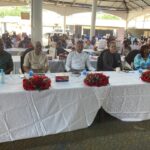
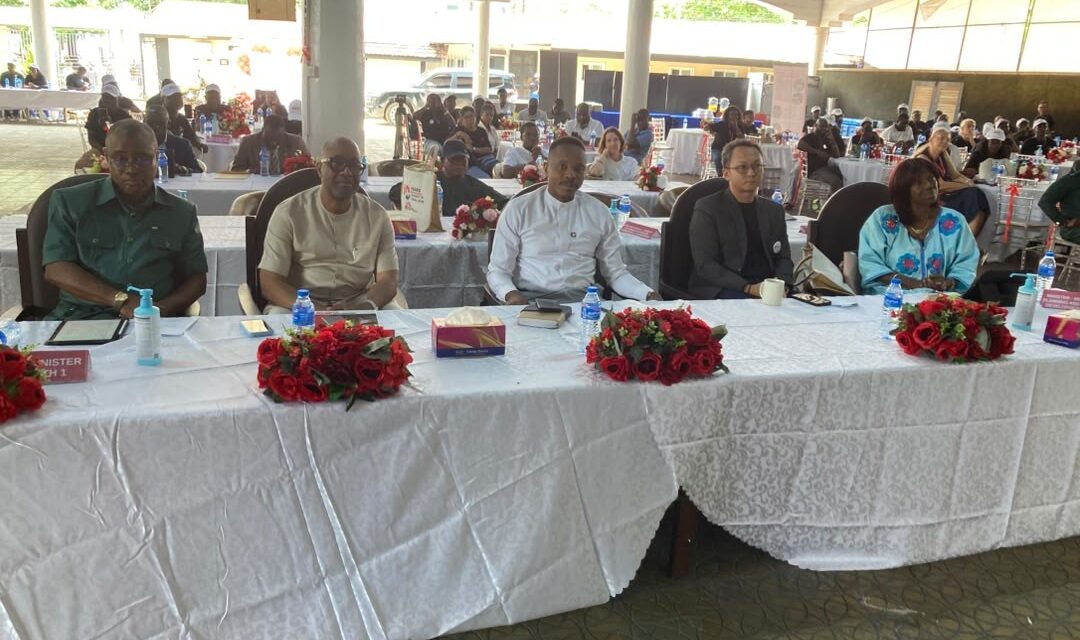
The commemoration, held at the Family Kingdom Resort, Aberdeen, Freetown, on 14th November, brought together government officials, MSF beneficiaries and staff, cultural performers, members of the media, and people from different walks of life.
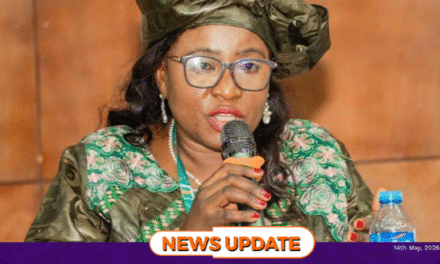
Speaking at the commemoration, MSF Country Representative in Sierra Leone, Dr. Htet Aung Kyi, recounted MSF work, which began in response to a cholera outbreak in Freetown and continued through conflict and health emergencies, providing a range of care.
“For four decades, our mission has remained the same: to provide quality medical care to people with the greatest health needs and to respond wherever barriers to healthcare exist,” he said.
One of the most significant achievements they are proud of is supporting the Sierra Leone healthcare workforce. “As we mark 40 years in Sierra Leone, we celebrate not only the lives saved and the medical care provided, but also the strength of the communities, patients, healthcare workers, and partners who have been part of this journey,” Dr. Kyi said.
“We continue to work towards achieving a future where access to healthcare is improved for all.”
Dr. Kyi also recounted that during the civil war, communities were uprooted, families separated, and lives forever changed. Yet even in the darkest moments, he said, healthcare workers continued to care for patients, communities supported one another, and people found the strength to move forward.
“MSF teams worked alongside those communities, providing surgical care, emergency medical assistance, mental health support, nutrition services, and primary healthcare where needs were greatest,” he said.
In recent years, MSF has focused on improving maternal, newborn, and child healthcare in Kenema District. Together with the Ministry of Health, he said, they had established and expanded the Government Maternity and Children’s Hospital in Hangha.
“Today, that hospital provides specialised care to women and children who might otherwise struggle to access life-saving services,” noting that hospitals alone do not save lives, but the work of people who help save lives.
Dr. Kyi also stated that during the Ebola epidemic, the MSF Academy for Healthcare helped strengthen clinical skills through mentoring and workplace-based learning. “Hundreds of healthcare professionals received training and support,” he said.
The true impact of that investment would be measured in every patient treated with greater confidence, every complication recognised earlier, and every life saved as knowledge was passed from one healthcare worker to another.
He also stated that they had worked with national authorities and partners to strengthen tuberculosis care, including innovative approaches to drug-resistant tuberculosis.
“These accomplishments remind us of an important truth: Progress happens when people work together. No government can do it alone. No humanitarian organisation can do it alone. No donor can do it alone. Sustainable progress comes from partnership. And that partnership has been at the heart of our journey in Sierra Leone,” he said.
Dr. Kyi stated that their work is not finished, as too many women still face barriers to safe delivery, many children remain vulnerable to preventable illness and many communities continue to struggle with distance, limited resources, and unequal access to specialised healthcare.
As MSF progressively transfers services at the Government Maternity and Children’s Hospital in Hangha to the Ministry of Health, Dr. Kyi said they do so with confidence in the healthcare workers, in the institutions and in the future of Sierra Leone’s health system.
He thanked the Government of Sierra Leone and its people, the Ministry of Health, donors and partners for their continued support.
Delivering the keynote speech, the Chief Minister of Sierra Leone, Dr. David Monina Sengeh, asked the crowd to honour those who worked with the MSF and the Sierra Leone government during emergencies like the Ebola outbreak.
He stated that statistical data shows that life expectancy in Sierra Leone has increased from approximately 43 years to 62 years over the last 40 years since MSF came to Sierra Leone. He said child mortality rates have improved significantly, dropping from 258 deaths per 1,000 births who did not make the age five by 2024 to 91 deaths per 1,000 live births.
“That number today is 91 out of every 1,000. It is 91 too many, but it shows that as a country, we can do what is seemingly impossible,” he said. Maternal mortality has been reduced from over 1, 500 per 1000 births to fewer than 300. He thanked MSF for contributing to President Bio’s human capital development. He said improving healthcare is essential to ensure that children grow physically and mentally and that mothers survive childbirth.
Dr. Sengeh said that the government is working toward a transformation where MSF hands over facilities, such as the 220-bed maternal-pediatric hospital in Kenema, to the state. He said that this partnership is intended to move away from dependence on aid toward national ownership of healthcare services.
“The BHUs that you support in Kenema are a commitment to what we want to do, and the partnership with MSF is important,” he said, while confirming that they are not abandoning the hospital in Kenema. He revealed that the national budget now includes significant funding for the government to purchase its own vaccines for the first time in recent memory.
He thanked MSF on behalf of His Excellency President Julius Maada Bio, the government, and the people of Sierra Leone for the sacrifices MSF has made over the past 40 years. He also thanked Sierra Leonean healthcare practitioners, the paramount chief, nurses, community health workers, drivers, cleaners, messengers and the administrators for the way they embrace MSF.
Sengeh concluded with a focus on accountability when preventable deaths occur, citing a recent case in Kenema involving a 28-year-old woman who died during childbirth. He said the government aims to target zero preventable maternal and child deaths to make Sierra Leone a safe environment for childbirth.
A beneficiary, Sallamatu Tamba, from Kenema, shared her testimony regarding her successful medical treatment and survival through a high-risk pregnancy managed by MSF. She was referred to MSF due to a twin pregnancy and her history as a previous C-section patient. After initial investigation and scanning, she was sent home but soon experienced severe pain caused by placenta Previa.
After developing worsening abdominal pain, she returned for care. As the babies’ heart rates declined and vaginal delivery was not considered safe, MSF operated; the mother and both babies survived.
A few days later, she developed a serious surgical-site infection and needed further operations and extended wound care. The complications caused her significant distress, but she remained under MSF’s care for about three months. She expressed gratitude that her treatment, supplies, and meals were provided free, and praised the staff for their encouragement.
The mother of a survivor, Hannah Tommy, provided a testimony regarding the life-saving medical intervention provided by MSF for her son. She described how her child became critically ill with a persistent fever after an attack. When treatment at private hospitals did not help, she travelled with the child from Freetown to Kenema for care. The child spent seven days in the emergency ward and was later in the ICU, requiring oxygen while MSF staff investigated the illness and found an effective antibiotic that could cure the child.
She thanked the doctors, the CHOs who are working at the MSF facility, especially Dr. Ishmael, and the nurses. She said private treatment had already cost millions and that MSF’s care relieved a major financial burden, helping her plan to send her child to school. She urged parents to seek care promptly for sick children under five at MSF facilities, where care is free.
Beyond Kenema, MSF has supported efforts to improve access to healthcare in other parts of Sierra Leone in recent years. In Tonkolili District, MSF worked alongside the Ministry of Health to strengthen maternal and child healthcare services, improve access to quality care for women and children, and support healthcare workers. In Bombali District, MSF supported the Ministry of Health to strengthen the diagnosis and treatment of tuberculosis, including drug-resistant tuberculosis. These activities were successfully transitioned to the Ministry of Health in 2025, according to the media brief.