By Davida Spaine-Solomon
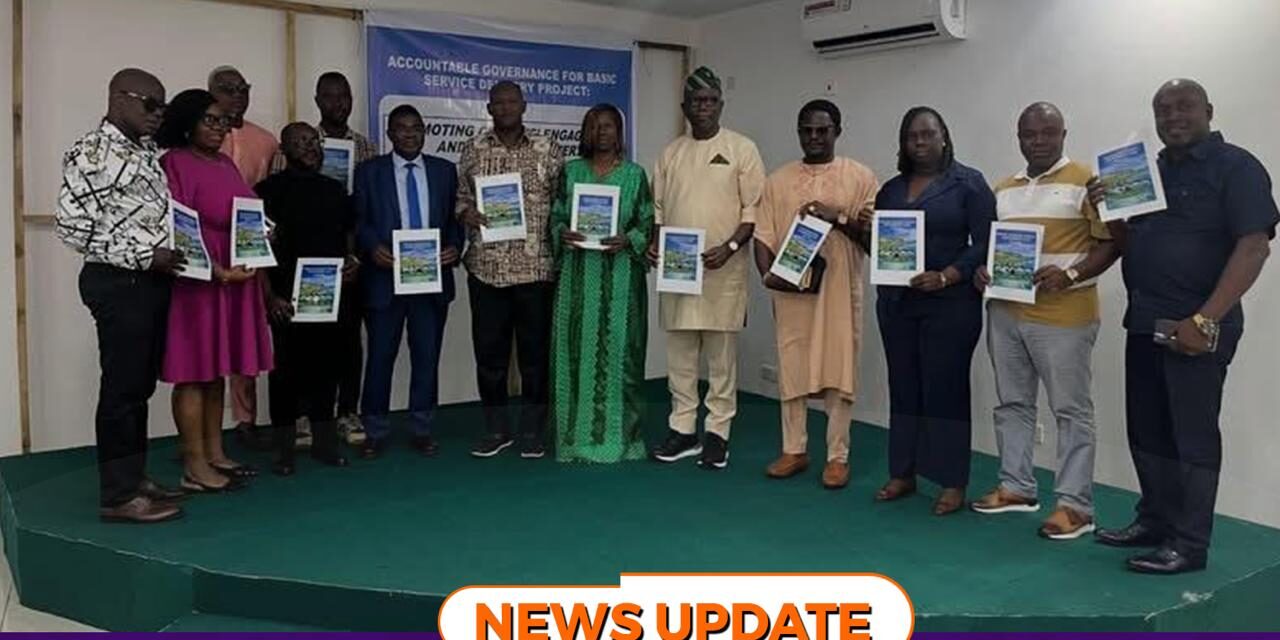
Freetown, 18th June, 2026 – The Government of Sierra Leone, in collaboration with development partners, has launched eight Local Councils Development Plans aimed at strengthening decentralised governance, improving service delivery, and promoting community-driven development across the country.
The launch brought together representatives from Ministries, Departments and Agencies (MDAs), local councils, parliamentary oversight committees, development partners, and civil society organisations to reaffirm their commitment to inclusive and sustainable local development.
Speaking at the event, Head of the Institute for Governance Reform (IGR), Andrew Lavalie, underscored the importance of citizen participation in governance, stressing that democracy is strengthened when citizens actively engage in shaping public policies, including decisions on taxation, education, and healthcare.
He said the district planning process had helped bridge the gap between authorities and communities by promoting joint advocacy and co-created solutions. Lavalie also called for stronger collaboration between local councils, communities, and the private sector to mobilise resources for development.
Delivering the keynote address, Minister of Planning and Economic Development (MoPED), Kenyeh Barlay, described the District Development Plans as more than administrative documents, stating that they reflect the aspirations and priorities of communities nationwide.
She noted that the plans emerged through extensive consultations and institutional frameworks, including district development committees. She emphasised that national development cannot succeed without strong local development systems and bottom-up planning.
However, Minister Barlay warned that “a development plan without a budget is only a wish,” noting resource constraints as a major challenge. She called for stronger financing mechanisms, including domestic revenue mobilisation and innovative financing strategies, to bridge funding gaps.
Barlay also announced plans to introduce chiefdom-level development planning to unlock local revenue opportunities, including mining-related allocations that remain underutilised due to limited planning frameworks.
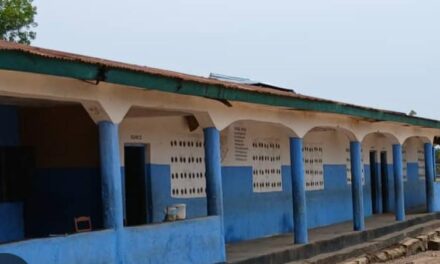
Representing the Ministry of Basic and Senior Secondary Education (MBSSE), John Ansumana highlighted the critical role of education in district development planning. He said thousands of schools and learners benefit from interventions, such as school feeding programmes, teaching and learning materials, and digital learning initiatives supported by partners including the World Bank and UNICEF. He stressed the need for stronger coordination between local councils and education authorities to improve monitoring, feedback, and service delivery in schools.
Vice President of Local Councils, Ali Badara Tarawally, called for increased government and donor support to enable councils to implement priority interventions, particularly in infrastructure, health, education, and community development.
World Bank representative Mohamed A. Jalloh commended the government, local councils, civil society organisations, and development partners for their collaboration in developing the district plans. He said the process reflected a shared commitment to ensuring that development interventions respond to the needs and priorities of local communities.
Jalloh also informed participants that consultations on the World Bank’s new Country Partnership Framework are ongoing and will continue in various districts in the coming weeks to ensure future support aligns with local realities and national priorities.
Chairman of Parliament’s Committee on Planning and Economic Development, Hon. Musa Fofanah, emphasised the need to strengthen local governance and collaboration among government institutions, local councils, development partners, and communities.
While acknowledging persistent development challenges across districts, he expressed optimism that sustained partnerships and collective action would help address them effectively. He assured participants of the government’s commitment to working closely with local councils and communities to translate development policies into tangible improvements in citizens’ lives.
A representative from UNICEF commended stakeholders involved in preparing the district development plans and noted that the plans align with national priorities and global commitments, including the Sustainable Development Goals (SDGs).
The representative said the plans provide an opportunity to tackle challenges in education, health, child welfare, water and sanitation, and social protection, stressing that increasing global challenges make collaboration between governments, development partners, and communities more critical than ever.
The launch of the eight Local Councils Development Plans marks another step in Sierra Leone’s decentralisation agenda, with stakeholders expressing hope that strengthened planning, financing, and collaboration will accelerate development and improve service delivery in communities across the country.