Nairobi, Kenya, 1st June, 2026 — Africa is hemorrhaging resources at an alarming scale, losing $163 billion annually to debt service while billions more slip away through illicit financial flows (IFFs) and emerging AI‑enabled fraud, according to Pan‑African lawyer and tax justice advocate Dr. Lyla Latif.
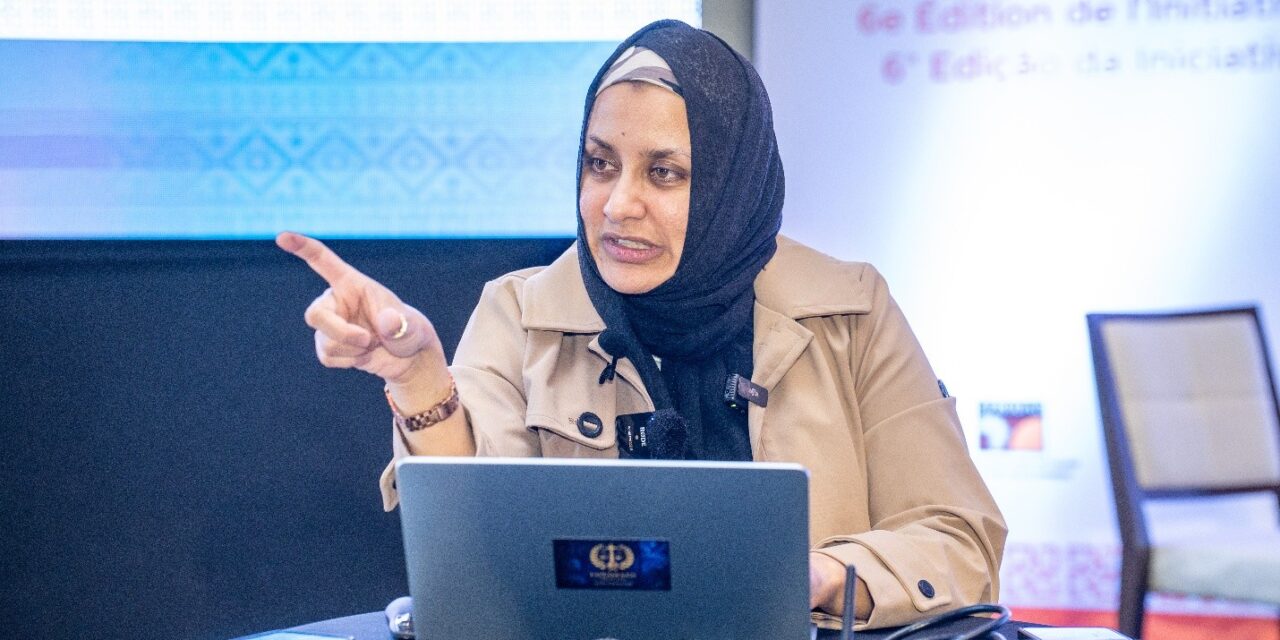
Speaking at the Sixth Edition of the AFRODAD Media Initiative (AFROMEDI VI) in Nairobi, Latif urged governments to rethink their fiscal strategies, warning that reliance on costly foreign debt is draining funds from schools, hospitals, and infrastructure. “Unless we learn how to mobilise more domestic revenue, we will never solve the debt issue,” she cautioned.
Debt Burden and Fiscal Justice- Latif underscored the inequities in global lending, noting that Kenya borrows at 11% interest, compared to Germany’s 2%, a disparity that locks African nations into cycles of high‑cost borrowing. With debt service alone consuming $163 billion annually, she argued that fiscal sovereignty requires breaking free from dependency on external creditors.
Untapped Tax Potential- She highlighted vast, uncollected revenues in the digital economy and maritime infrastructure. “Data is worth a trillion US dollars. Nobody taxes data,” Latif declared, pointing to U.S. cloud giants profiting from African data without paying local taxes.
Under the UN Convention on the Law of the Sea, countries can levy fees on submarine cables crossing their waters. Yet African states collect nothing, unlike Malta which charges Google and Amazon €10,000 annually. “Even if it’s $12,000 per company, that’s income that could pay for essential medication in public hospitals,” she noted.
Illicit Flows and AI Fraud- Latif revealed that Africa loses up to $89 billion annually through illicit flows, including inflated consultancy fees and transfer pricing schemes that strip taxable income. “You come up to your net profit, which would be basically nothing. And that is what is taxed,” she explained, describing how multinationals manipulate costs to avoid paying their fair share.
She warned that AI‑enabled fraud is compounding the problem. In one case, fraudsters in China used deep fake technology to siphon off $76 million in tax refunds. “Think about 60, 70, 80, 100 other individuals doing this. That’s a new form of illicit financial flows,” she said, urging African governments to strengthen oversight as digitalisation accelerates.
Call to Action- Latif framed debt and taxation as justice issues, calling on journalists to expose loopholes and demand reforms. She stressed that tackling illicit flows, taxing digital and maritime assets, and addressing AI‑driven fraud are essential steps toward fiscal sovereignty.
Her message was clear: without decisive action, Africa will remain trapped in cycles of borrowing while its wealth slips away unseen.