Freetown, 17th August, 2026 – The Opposition All Peoples Congress (APC) has announced it will proceed immediately to the Supreme Court of Sierra Leone to challenge the unlawful ruling, enforce Section 108, and uphold the supremacy of the Constitution, seeking to overturn what it describes as a ‘legislative heist and constitutional banditry’ following the passage of the Constitution Amendment Bill 2025.
In a statement dated 13th August 2026, the party condemned the Speaker of Parliament’s ruling that constitutional amendments require only a simple majority. The APC insists this interpretation violates Section 108 of the 1991 Constitution, which clearly demands two‑thirds support of all elected Members of Parliament, 100 votes out of 149, for any constitutional change.
The party accused the Speaker of reversing his own precedent, citing his earlier ruling during the removal of former Auditor General Lara Taylor‑Pearce, when he affirmed that “two‑thirds of Parliament” meant two‑thirds of all elected members, not just those present and voting. Despite admitting the matter was subject to Supreme Court interpretation, the Speaker declared the Bill passed with 96 votes.
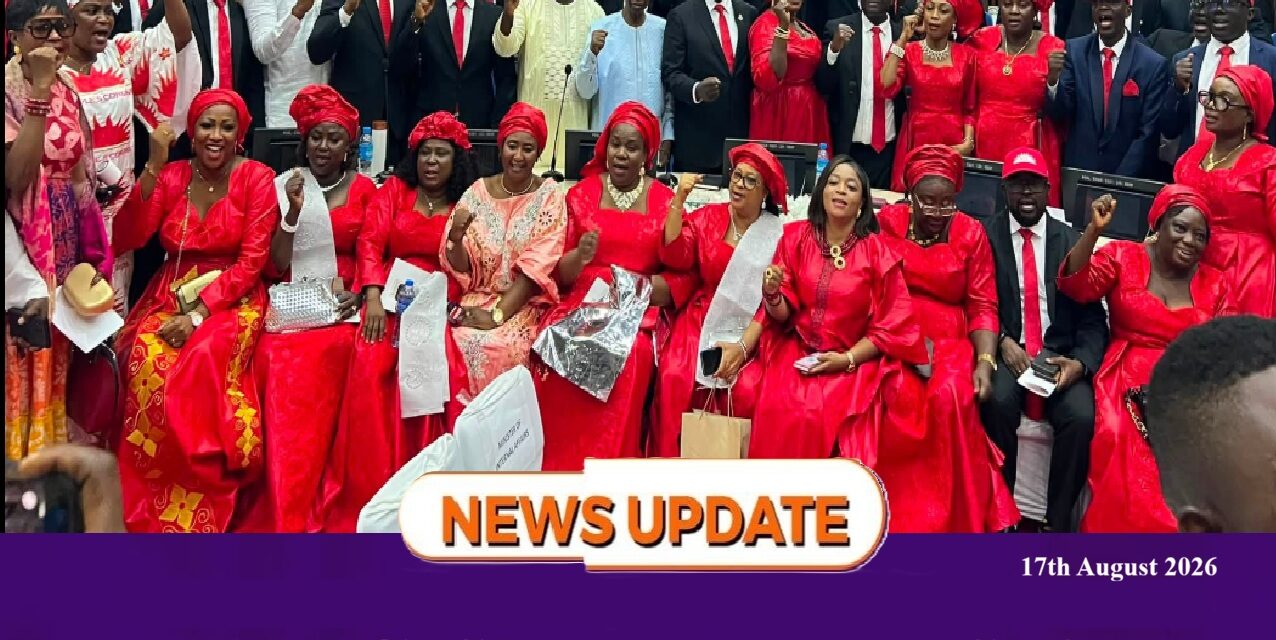
APC lawmakers staged a walkout, refusing to legitimise what they called a fraudulent process. The party further alleged that opposition MPs were offered financial inducements to support the Bill, warning of corruption at the highest legislative level.
The controversy comes amid heightened international scrutiny, with concerns that illicit finance may be infiltrating Sierra Leone’s political system. The APC cautioned that bypassing Section 108 sets a dangerous precedent, potentially enabling future abuses such as extending presidential terms by simple majority.
“This is constitutional banditry,” the statement read. “It destroys the safeguard against unilateral constitutional changes, undermines parliamentary integrity, and erodes public trust in democratic institutions.”
The APC has demanded compliance from the Speaker and government, urging suspension of the Bill until the Supreme Court rules.