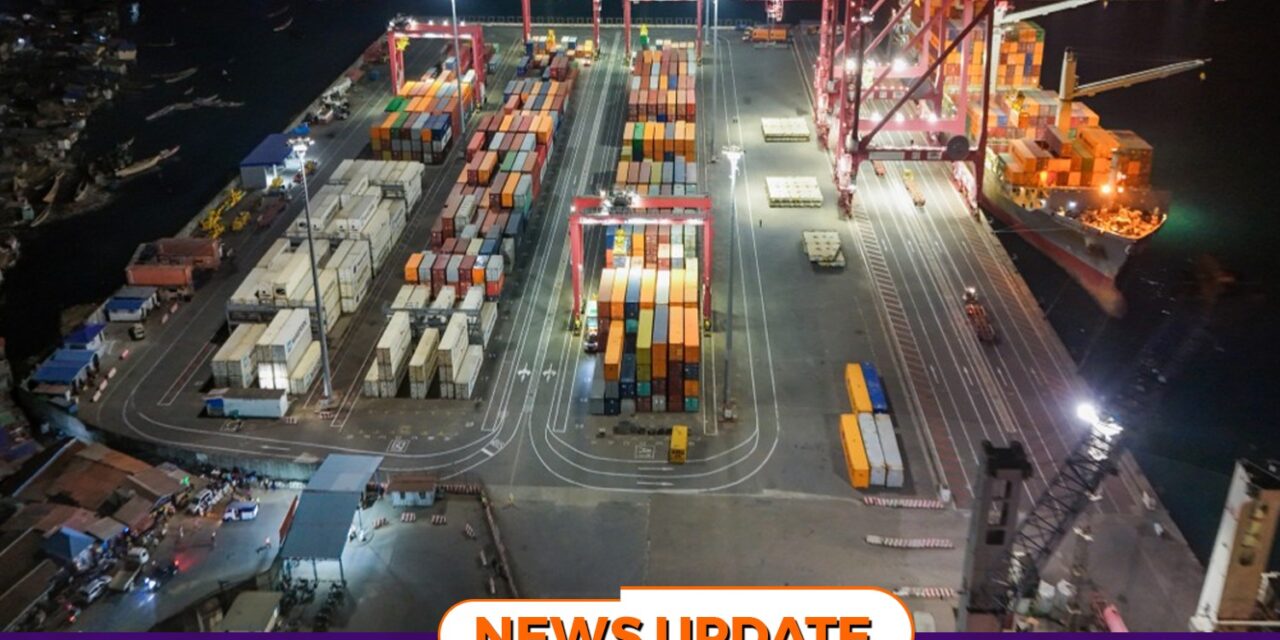
Freetown, 28th May 2026– Freetown Terminal Ltd (FTL) has raised serious concerns about the lack of reliable electricity from the national grid, warning that the country’s main port facility is increasingly dependent on its backup generators to sustain operations.
According to official figures, in 2025 the company’s power plant produced 85% of the electricity it consumed, while the Electricity Distribution and Supply Authority (EDSA) contributed just 15%. The plant, however, was designed only as a backup alternative and not for continuous production. Management says poor grid supply has prevented regular preventive maintenance of its generators, creating a dangerous situation.
“Should our power plant break down, the entire terminal will be paralyzed: vessel operations will halt, container discharge and loading will stop, and the delivery chain across the country will be blocked,” officials cautioned.
Fresh data covering January to May 2026 paints an even worrying picture: In January & February, the plant supplied 82% of electricity, with EDSA at 18%. Daily fuel consumption averaged 6,074 liters in January and 6,295 liters in February. Each month recorded 14 days without grid supply.
In March, EDSA’s share rose to 32%, reducing fuel use to 5,223 liters per day. Outages persisted for 8 days.
In April, Reliance on the plant surged back to 81%, with fuel consumption climbing to 6,704 liters per day and 13 blackout days.
In May, the situation worsened dramatically, with the plant covering 96% of electricity needs and EDSA just 4%. Fuel use spiked to 7,580 liters per day, while the terminal endured 16 days without grid supply.
The figures highlight the unsustainable cost burden of rising fuel consumption and the systemic risks of poor grid reliability. Prolonged dependence on backup generation not only inflates operating expenses but also threatens the stability of national trade flows.
Officials warn that any breakdown of the plant would cripple the terminal, disrupting imports, exports, and the delivery chain across Sierra Leone.