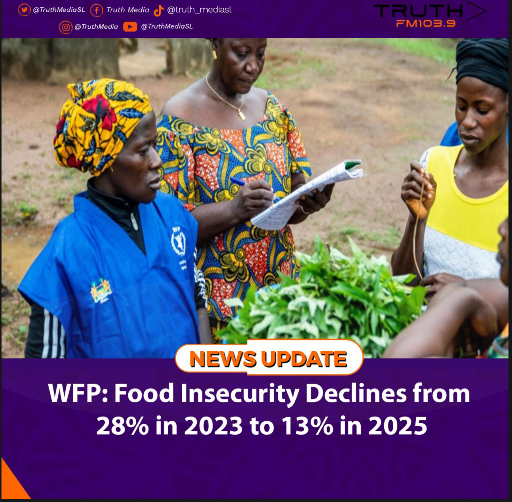
Freetown, 30th March 2026- Sierra Leone’s food security profile is shifting, with new data showing a significant decline in the proportion of households facing severe hunger. According to the World Food Programme (WFP) Food Security Monitoring System survey (July 2025), the share of severely food-insecure households dropped from 28 percent in 2023 to 13 percent in 2025, a 15 percentage-point reduction, effectively cutting the figure by more than half.
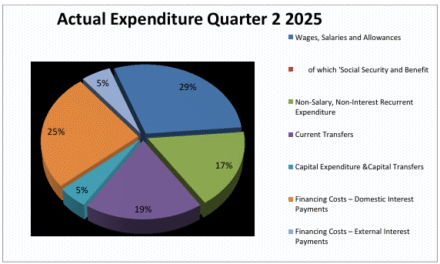
This improvement marks one of the most notable gains in recent years, suggesting that targeted interventions and international support are beginning to ease the worst cases of deprivation. Yet, the broader financial framework tells a more sobering story.
Despite the progress, Sierra Leone remains deeply vulnerable. With 54–56 percent of the population living in poverty, and 78 percent of citizens still food insecure overall, the crisis is far from resolved. Inflation continues to push food prices upward, eroding household purchasing power and straining already fragile livelihoods.
Malnutrition also persists, with 26 percent of children under five stunted, disproportionately affecting poor households. Rural communities dependent on rain-fed agriculture remain exposed to climate shocks, further undermining food stability.
The government’s ability to respond is limited by fiscal constraints. While political stability has held, Sierra Leone’s restricted budgetary capacity prevents large-scale investment in food systems, social protection, and rural infrastructure. Analysts warn that without expanded fiscal space, gains in reducing severe food insecurity may stall, leaving the majority of households trapped in chronic vulnerability.
The financial strain is not evenly distributed. Women, girls, children, persons with disabilities, and rural households face heightened risks not only from poverty and food insecurity but also from gender-based violence, child marriage, and unequal access to education, health, and livelihoods.
The numbers highlight a paradox: while severe food insecurity has halved in two years, the overall 78 percent food insecurity rate underscores systemic fragility. For policymakers and donors, the challenge is clear: Sierra Leone’s food crisis is not just humanitarian, but fundamentally fiscal. Without structural investment to expand government capacity and stabilize household incomes, the country risks remaining locked in a cycle where progress at the margins fails to translate into broad economic resilience.