By Nafisatu Olayinka Deen
Freetown,12th August 2026 – A bold cultural shift is taking root in Sierra Leone as communities embrace a new way of preserving the cherished traditions of the Bondo Society without the pain and trauma of Female Genital Mutilation (FGM).
Since 2019, the Amazonian Initiative Movement Sierra Leone (AIM-SL) has championed the Bloodless Rite Initiative, offering young women aged 19–25 initiation into the Bondo Society without undergoing the removal or cutting of the clitoris.
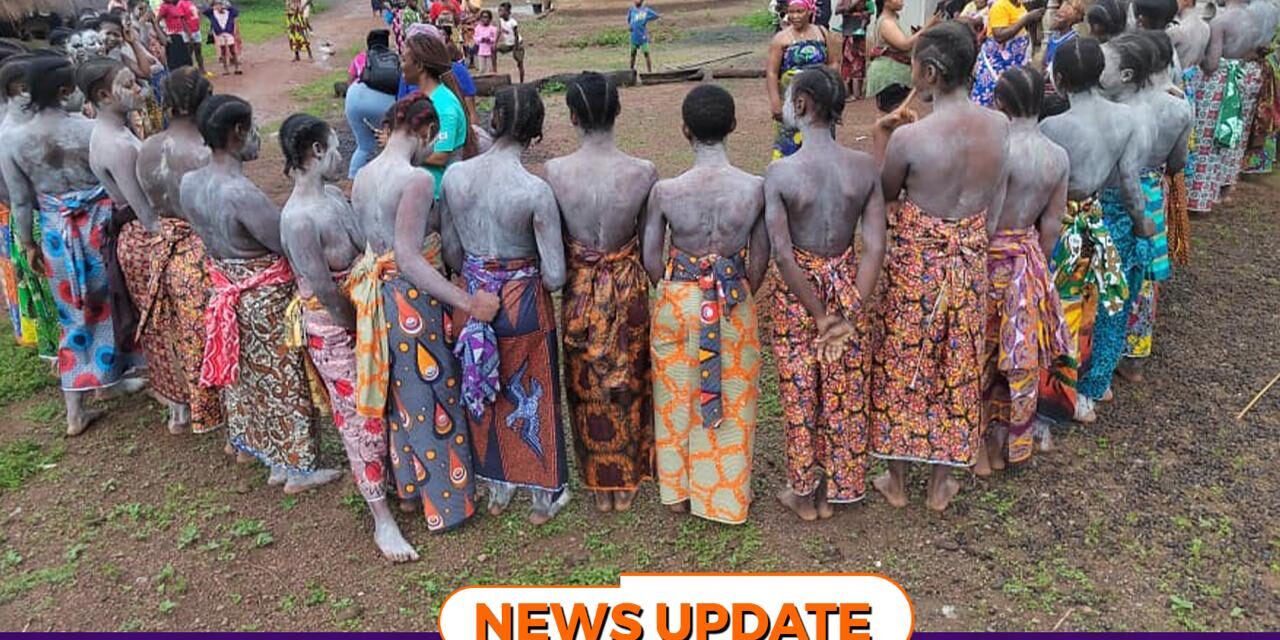
Last week, the movement enrolled 55 women in a landmark bloodless rite of passage in Mabalay Community, Thawuya Section, Bake Loko Chiefdom, Port Loko District, a ceremony that blended cultural celebration with a commitment to safeguarding women’s health and dignity.
Executive Director Rugiatu Neneh Turay emphasized that the initiative preserves the essence of Bondo teachings respect, discipline, womanhood, leadership, family life, and community values while eliminating the harmful practice of cutting.
“When people say we want to stop the dancing, the masorkor, the livelihood of our people, I just smile,” Turay told participants. “A bloodless rite of passage does not stop any of that. We can still dance, teach, celebrate, and uphold our traditions. The only thing absent is the cutting the part that causes pain and trauma.”
Turay stressed that the initiative screens participants to ensure only adults are admitted, positioning them as role models for a new generation. “In the Bloodless Bondo, we do not accept underage girls. We want these women to be seen as leaders of change,” she added.
The program comes at a time when the future of FGM remains a subject of national debate. Advocates argue that the bloodless rite offers a path to eradicate pain while preserving culture, ensuring women and girls are celebrated without being subjected to lifelong complications.
Port Loko District has emerged as a pioneer in this movement, with traditional leaders, former soweis, and communities rallying behind the alternative rite. The success of the initiative there is seen as proof that Sierra Leone can protect its cultural heritage while safeguarding the health and dignity of its women.