By Mohamed Jaward Nyallay
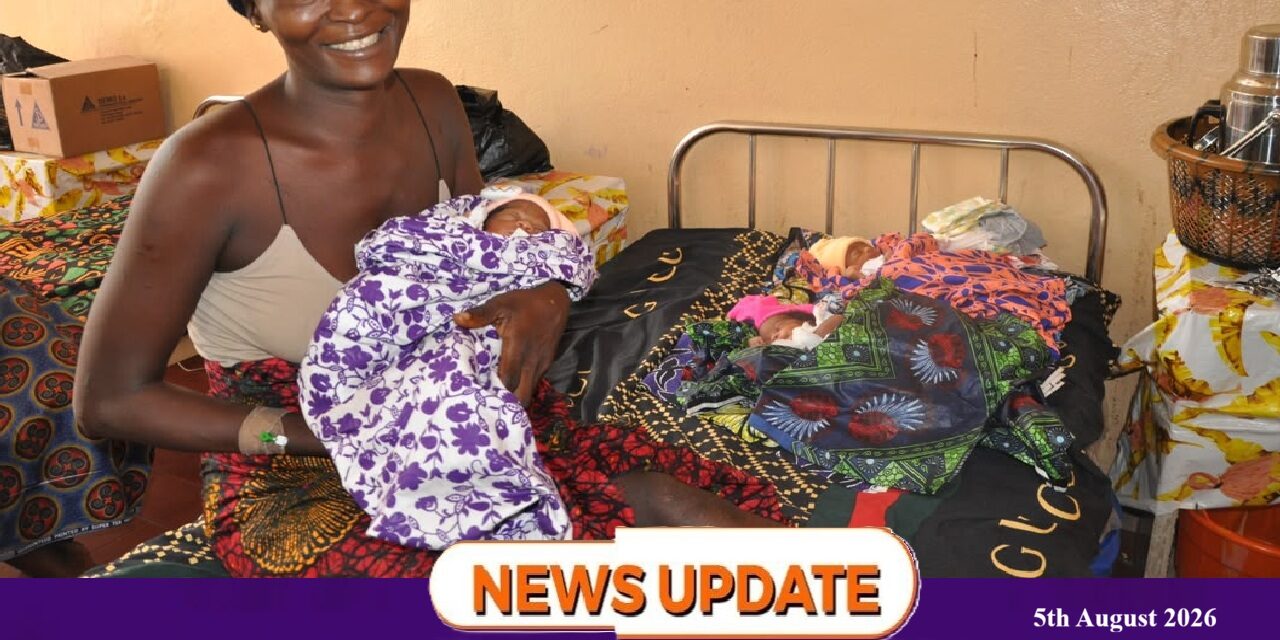
Freetown, 5th August 2026- Sierra Leone has recorded a 30% decline in maternal deaths within just five months of the Ministry of Health’s flagship 300 Days of Activism campaign, marking one of the most significant public health gains in recent years.
Launched in March, the campaign set three ambitious targets: Zero Maternal Deaths, Zero Child Deaths, and Zero Zero‑Dose Children. At its halfway point, official data shows progress across all indicators: Maternal deaths down by 30%, Child deaths reduced by 14%, 79% of zero‑dose children identified and immunized
“This kind of trajectory has not been seen anywhere in the world,” Health Minister Dr. Austin Demby said at the campaign’s midpoint event, stressing that the results should drive greater urgency rather than complacency.
The Ministry credits the gains to real‑time, localized data systems that allow health teams to track weekly trends in districts such as Bonthe and Tonkolili, and respond rapidly to hotspots.
Dr. Demby said the Ministry is now better equipped to tackle leading causes of maternal and child deaths, including bleeding, sepsis, hypertension, malaria, pneumonia, and diarrhoea, with targeted interventions.
Campaign leads Dr. Francis Moses and Dr. Mariama Mustapha acknowledged that child mortality remains the toughest challenge.
“It’s not dropping as fast as we want it,” Dr. Moses admitted, noting that hospitals are now required to conduct a mandatory review of every child death within 24 hours, enabling faster identification of causes and corrective measures.
Dr Mustapha added, “The data shows Sierra Leone is beginning to bend the curve on maternal and child survival, but the progress must be sustained. Ultimately, we want to institutionalize these interventions beyond this campaign.”
While the numbers reflect historic progress, health officials warn that sustaining the gains will require continued commitment from frontline workers, communities, and policymakers.
The campaign’s midpoint results suggest Sierra Leone is on track to redefine maternal and child health outcomes, but experts caution that the second half of the 300‑day drive will be critical in determining whether these early successes can be consolidated into lasting systemic change.