By Samuel Hinga Norman
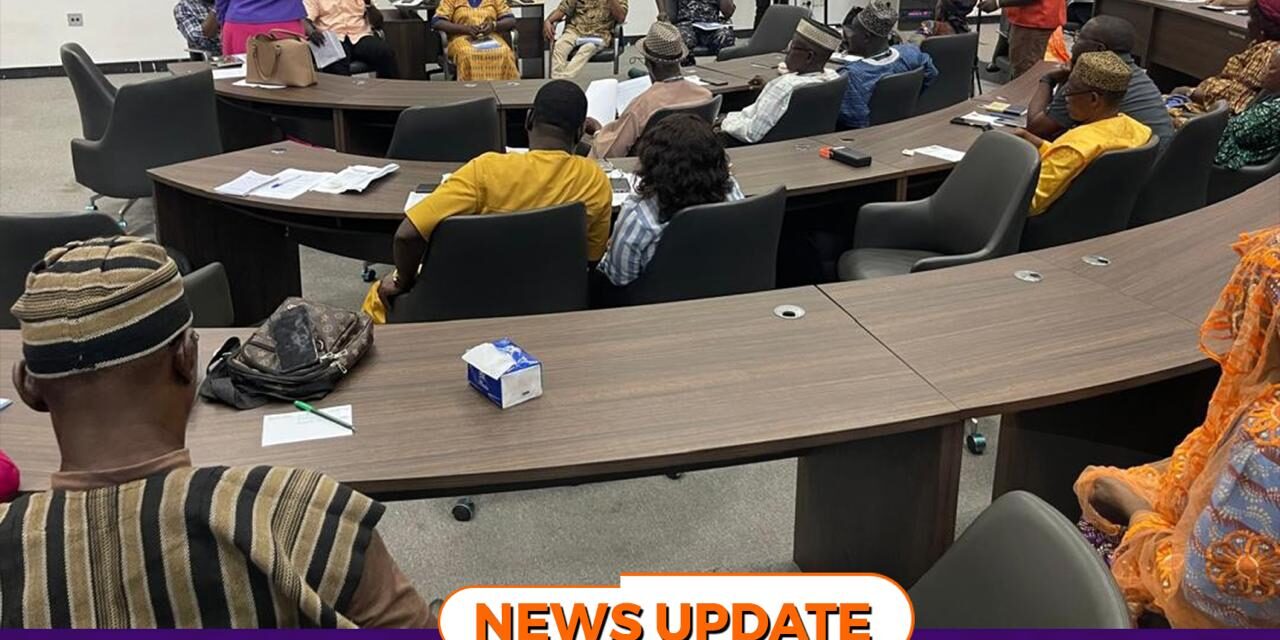
Freetown, 30th June 2026- The Media Initiative for Climate Change and the Environment (MICCE), in partnership with the Freetown City Council (FCC), the Western Area District Council (WADC), and Land for Life Sierra Leone, on 30 June hosted the Clean Freetown Campaign Symposium under the theme, “Towards Effective Land Management and Sustainable Urban Planning for a Cleaner and Healthier Freetown,” at the Freetown City Council Hall in Freetown.
The symposium brought together government institutions, development partners, environmental experts, civil society organizations, students, the media, and other key stakeholders to discuss practical solutions for improving waste management, strengthening urban planning, and promoting environmental sustainability in the capital city.
The Director of MICCE, Martha Kargbo, underscored the importance of the gathering, noting that there have been major discrepancies among institutions responsible for planning and managing the city. She explained that MICCE organized the symposium to complement the Freetown City Council’s “Dorti Must Go” campaign after observing significant gaps in sanitation efforts. According to Kargbo, the disconnect between sanitation service providers and hillside communities, rampant littering across communities and streets, recurring flash floods caused by clogged drainages, and the attitudes of residents towards sanitation continue to undermine waste management efforts. She said, “This Symposium was organized to chart a way forward on how these established sanitation policies and bylaws are implemented at all levels.”
Kargbo concluded by emphasizing that every stakeholder has an important role to play in building a cleaner and healthier capital. She reaffirmed MICCE’s commitment to ensuring “there is public education and engagement across communities, and to generate a strategy which can be used to educate and sensitize about waste management in Freetown.”
Speaking at the symposium, the National Coordinator of Land for Life Initiative Sierra Leone, Berns Komba Lebbie, identified land management and land-use planning as two of the major challenges confronting the Freetown City Council and contributing to poor waste disposal across the city. He noted that the symposium provided an opportunity for stakeholders to discuss practical ways of supporting the Council in addressing the growing waste management crisis. Lebbie stated, “Improper Waste Management is not only affecting Freetown but even the Western Area District Council.”
He further stressed that meaningful progress can only be achieved through collective responsibility and practical action, adding that every stakeholder has a role to play in addressing the problem.
Representing the Freetown City Council, Deputy Chief Administrator Alhassan Yillah acknowledged the enormous challenges confronting the Council in managing the rapidly expanding city. He disclosed that the Council currently lacks a dedicated budget for comprehensive city planning, a situation that has contributed to unplanned settlements and poor waste management.
Yillah said, “The unprecedented increase in population size in the city has a direct effect on Waste Management in the city.”
He explained that population growth, inadequate financial resources, the absence of designated dumpsites, and the lack of recycling centres and systems continue to limit the Council’s ability to effectively manage waste despite its commitment to improving sanitation. He concluded by calling on stakeholders to strengthen partnerships with the Council to tackle these challenges collectively.
The District Sanitation and Hygiene Coordinator at the Ministry of Sanitation and Water Resources, Ward C, Usifu Koroma, described the symposium as “Timely and very important.”
Koroma warned that poor waste management contaminates underground water sources, contributes to the emission of harmful substances into the atmosphere, and accelerates global warming. He urged citizens to change their attitudes towards waste disposal and adopt responsible waste management practices, emphasizing that careless disposal of waste has serious consequences for both public health and the environment.
The symposium also featured presentations from the Sierra Leone Police, which reaffirmed its commitment to enforcing the Freetown City Council’s sanitation by-laws against offenders. Waste management advocates and recycling experts highlighted the importance of recycling, waste segregation, and community participation in reducing environmental pollution.
Representatives from the Ministry of Water Resources emphasized that open defecation continues to contaminate water sources and contributes to the spread of waterborne diseases, while citizen journalists shared ongoing efforts to discourage the indiscriminate dumping of waste in public places through community reporting and public awareness campaigns. The event also witnessed the publication of a policy paper containing recommendations aimed at strengthening land management, urban planning, sanitation governance, and stakeholder collaboration.
The symposium concluded with a renewed commitment from participating institutions to strengthen partnerships, improve public awareness, and enhance enforcement of sanitation regulations. Stakeholders agreed that addressing Freetown’s waste management challenges requires coordinated action from government institutions, local councils, communities, development partners, the media, and citizens alike.
They warned that failure to effectively manage waste will continue to fuel flooding, environmental degradation, public health risks, and unplanned urban growth, while sustained collaboration offers a pathway towards a cleaner, healthier, and more resilient Freetown.