Freetown, 20th April 2026 — A new report from the Child Health and Mortality Prevention Surveillance (CHAMPS) program, has revealed that HIV is silently driving one in five adult deaths in Sierra Leone, with most victims unaware of their status.
The findings, presented at the 10th CHAMPS Advisory Committee Meeting in Makeni, expose a hidden crisis: 21% of adult deaths linked to HIV, 65% of victims undiagnosed, and 70% of known cases not on treatment.
The CHAMPS programme has since 2018 tracked causes of death in Bombali and Bo districts using advanced diagnostics. Its latest data paints a stark picture of preventable deaths and systemic failures in Sierra Leone’s health system.
CHAMPS evidence shows that 70% of child deaths could have been prevented, while 77% were misdiagnosed in clinical settings. Only 3% of deaths were deemed unavoidable. Deputy Health Minister Dr. Charles Senessie urged policymakers to act: “The findings generated by CHAMPS must inform policies, strengthen clinical guidelines, improve service delivery, and guide investments in our health system.”
The surveillance system has uncovered four major drivers of preventable deaths:
Malnutrition (35%) — A leading underlying cause of child mortality. Local food demonstration programs have shown rapid improvements, proving that community‑based nutrition using beans, fish, cassava, and groundnuts can save lives.
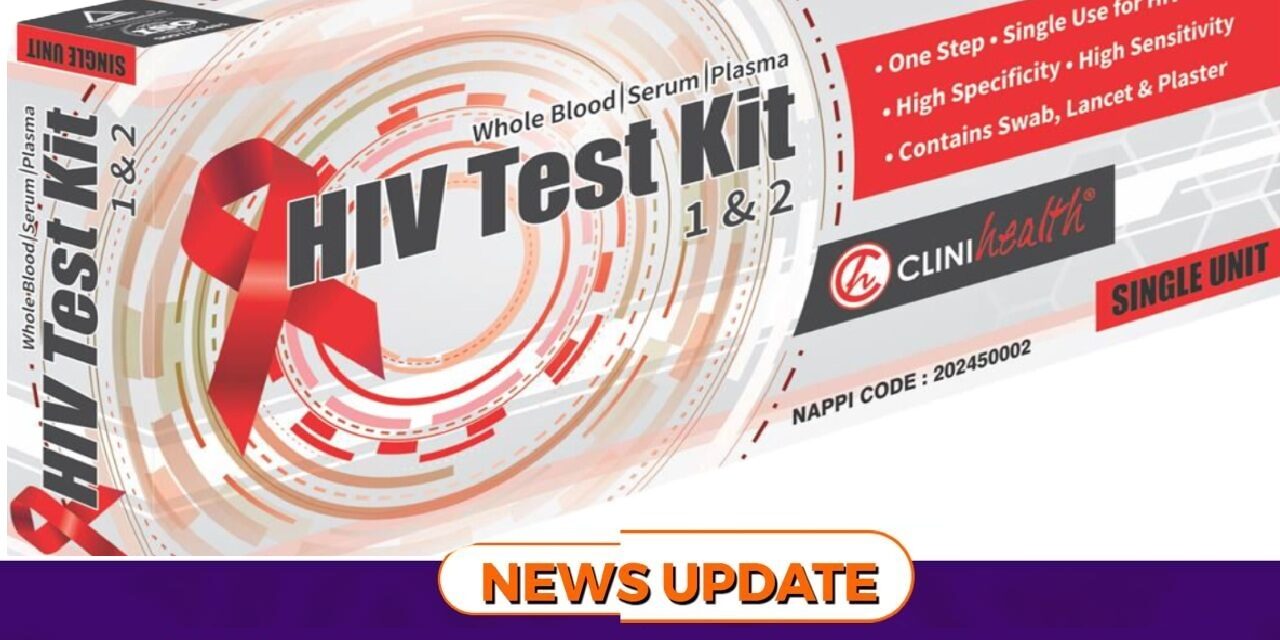
HIV (21%) — A silent killer among adults. Francis K. Tamba of the National HIV/AIDS Control Program warned: “Every new positive case we detect is a potential time bomb if we do not act decisively.”
Malaria and Anemia (41% and 48%) — Malaria remains a major child killer, often leading to fatal anemia. Experts stressed the urgent need for blood donation systems and environmental sanitation.
Antimicrobial Resistance (AMR) — Laboratory data revealed alarming resistance: 100% of isolates resistant to Ampicillin, 87% resistant to Gentamycin and Ciprofloxacin. This signals a growing crisis of drug‑resistant infections.
Beyond diseases, CHAMPS data exposes weaknesses in care delivery: delays in treatment, poor infection prevention, limited diagnostics, and weak community engagement. Dr. Monique Foster, US CDC Country Director, emphasized: “Each data point represents a child, each recommendation carries an obligation to act.”
The Advisory Committee agreed on urgent reforms including: Expand HIV testing and reduce stigma, integrate nutrition into healthcare using local foods, strengthen malaria prevention and blood transfusion systems, tackle antimicrobial resistance through regulation and stewardship and invest in laboratory and diagnostic capacity nationwide
WHO Representative Dr. George Ameh underscored the urgency: “These hidden epidemics may not always receive attention, yet they continue to cause significant illness and death.”
With 70% of deaths preventable, Sierra Leone faces a clear mandate: move beyond data and confront hidden epidemics. As Dr. Ikechukwu Ogbuanu of ARC for Health concluded: “We have unearthed these hidden epidemics. Now is the time to translate evidence into actions and policies that save lives.”