By Davida Spaine-Solomon
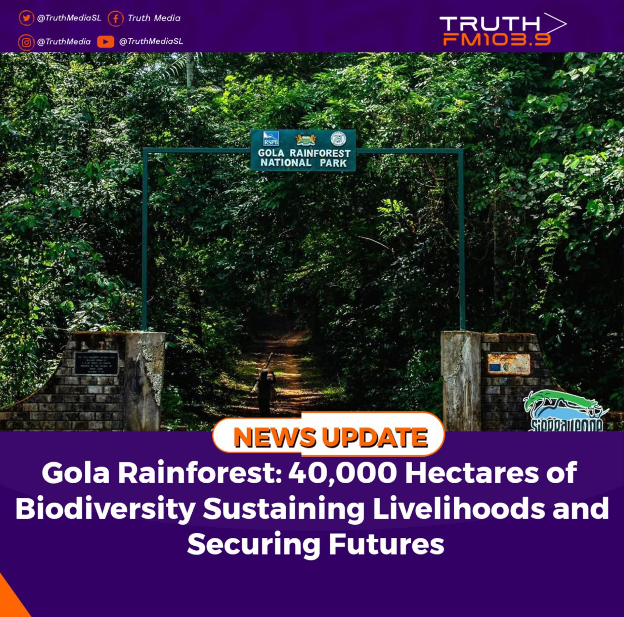
Freetown, 15th December 2025- The journey to Lalehun village is long and rough. Red dust clings to shoes, and the road narrows as the forest thickens. By the time the village comes into view, it becomes clear why the people here speak about the Gola Rainforest with such familiarity. For them, the forest is not a distant national park, it is part of everyday life.
In this part of eastern Sierra Leone, life around the Gola Rainforest National Park is shaped by what the forest provides and what happens when it is not protected. Community members say their commitment to conservation did not begin with rules or projects, but with lived experience.
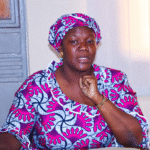
Mamie Tenneh Konneh, a resident of Lalehun in Guara Chiefdom, recalls a time when cutting trees and hunting were common. People did what they could to survive, often without understanding the long-term consequences.
“We did not understand it before,” she said. “But when the water started reducing and the sun became too strong, we knew the forest was disappearing.”
Over time, the community introduced byelaws banning hunting, logging, and mining in the forest. According to Konneh, the changes have been noticeable. Streams that supply drinking water are still flowing, the land remains cooler, and wildlife is slowly returning.
Conservation, however, would not have been sustainable without alternative livelihoods. Konneh explained that support in the form of seeds and livestock has helped families meet their daily needs without depending on forest resources.
“With the farming support and animals we receive, we can feed our families and sell some produce,” she said. “That is why people now respect the rules.”
Traditional leaders say protecting the forest has become a collective responsibility. Town Chief Momoh Kai-Kombay described the Gola Rainforest as central to the community’s identity and future.
“This forest is our inheritance,” he said. “It protects our land and keeps animals and plants that cannot be replaced. We have seen what mining has done in other places, and we do not want that here.”
He said residents work closely with forest rangers, often sharing information about illegal activities. Still, he noted that communities protecting such an important national asset face serious development challenges.
“The road leading here is very bad,” he said. “When roads are poor, farmers cannot take their produce to market. Conservation must come with development.”
Inside the forest, rangers patrol long distances to keep it safe. Among them are women whose work is helping to change perceptions about conservation roles.
Gilo Kamara, a ranger at the Gola Rainforest National Park, said the job comes with real risks, particularly when confronting illegal miners and poachers.
“We are not armed,” she said. “Sometimes we hear gunshots. Sometimes they try to attack us. But we continue because we understand why this forest matters.”
She said her work is driven by the knowledge that many communities depend on the forest for clean water, farming, and protection from climate extremes.
The Gola Rainforest National Park is managed with support from the European Union and its partners through the Preservation of Forest Ecosystems in West Africa (PAFOR) programme, with technical support from the Royal Society for the Protection of Birds (RSPB). The programme combines biodiversity conservation with livelihood support, including sustainable cocoa farming and climate-smart agriculture for communities in Sierra Leone and Liberia.
The Gola Rainforest is home to more than 1,000 plant species, over 55 mammal species, and approximately 450 bird species, making it one of West Africa’s most important biodiversity areas.
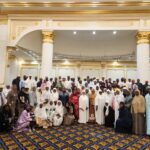
The visit to the park formed part of the recently concluded European Union Bus Tour, which assessed the impact of EU-supported projects in rural communities across Sierra Leone.
For the people of Lalehun, protecting the Gola Rainforest is not just about preserving nature. It is about securing water, food, income, and a future for the next generation.