Freetown, 28th April, 2026 – A new monitoring report by the Campaign for Human Rights and Development International (CHRDI) has laid bare the scale of over‑detention and systemic failures in Sierra Leone’s justice system, revealing that only 5.6% of detainees were charged or bailed during visits to police stations across Freetown’s Western Urban Area.
Between April 21 and 23, CHRDI teams inspected 14 police stations and interviewed 555 suspects, 522 men and 33 women. Of these, just 31 detainees were charged to court or released on bail. At the Criminal Investigations Department (CID), which handles serious cases, 57 suspects were held beyond constitutional limits, yet not a single charge was filed during the monitoring period.
The report highlights widespread violations of constitutional safeguards: 254 suspects were detained beyond legal time limits, 393 detainees had no access to a lawyer. CID recorded the highest number of unrepresented suspects (58), followed by Eastern Police (50) and Calaba Town (43).
CHRDI warned that these figures reflect a justice system “under severe strain,” where suspects are denied timely access to courts and legal representation.
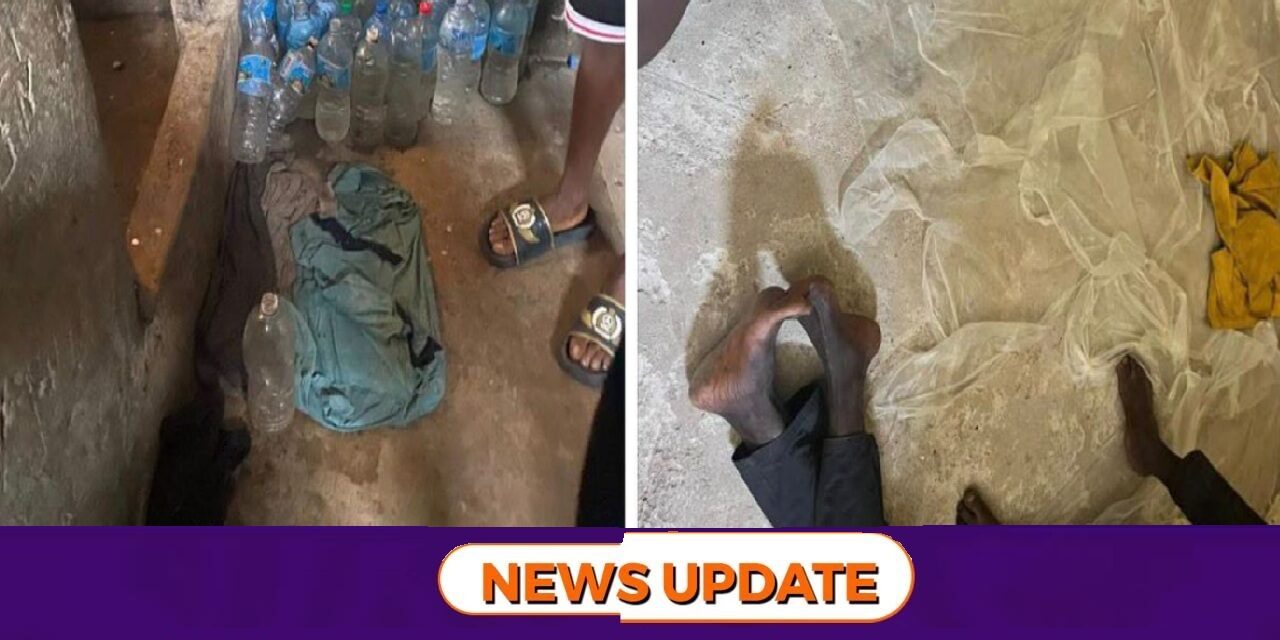
The monitoring revealed harsh realities inside detention facilities, including: No state‑funded food provision; police officers often pay out of pocket, with shortages worst on Sundays. No bedding or foam; detainees without family support sleep on bare concrete, plastic sheets, or cardboard.
Officers cover administrative costs such as photocopying or ask suspects to pay for drinking water stored in plastic bottles due to a lack of proper facilities.
Young people aged 18–35 formed the largest group of detainees, with 59 held at Kissy and 56 at Ross Road. CHRDI also documented minors being kept in adult cells at Congo Cross and Lumley, a violation of international child protection standards. Allegations of suspects and relatives paying for bail services were widespread, with a lack of sureties cited as a key driver of prolonged detention.
Persistent power outages and confusion over the new Criminal Procedure Act (CPA) were identified as major causes of delays in charging suspects.
The organization has called for urgent reforms, including the provision of state‑funded food, bedding, and cleaning supplies in all cells. The guaranteed free legal aid for every suspect from arrest and an end to payments for bail and administrative services.
CHRDI also calls for reliable electrification and clear CPA procedures to speed up charging and the removal of minors from adult detention facilities.