By Nafisatu Olayinka Deen
Freetown, 2nd March 2026- The Truth and Reconciliation Commission (TRC) once observed that a constitution should serve as the fundamental framework of society, reflecting the common interests of its people. Yet Sierra Leone’s 1991 Constitution, still in force today, was not born of wide participation.
“A constitution ought to be the foundation and basis of the society desired by the people. It should reflect their common aspirations and minimum safeguards. The 1991 Constitution that is currently in force was not the product of a wide participatory process,” the TRC noted (Volume 2, Chapter 3, p.139, Section 120).
The Commission further stressed that the constitution must foster inclusivity and unity: “The Constitution is the most important document in Sierra Leone. It must do more than set out the rights of individuals and the powers of the State. It should be the collection of ideas and aspirations that holds the country together” (Volume 2, Chapter 3, p.139, Section 125). On that basis, it recommended that Sierra Leone formulate a new constitution.
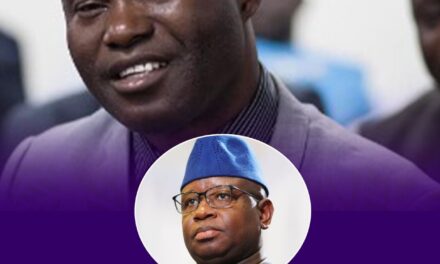
The constitutional review process began in 2013 with high hopes. More than a decade later, however, it remains unfinished and politically contested. Speaking at a civic engagement session in Kono, Attorney General and Minister of Justice Alpha Sesay traced the journey across three administrations: initiated under President Ahmed Tejan Kabbah, expanded with broader consultations under President Ernest Bai Koroma, and now advanced under President Julius Maada Bio. Sesay emphasized that the revised constitution aims to strengthen governance by entrenching fundamental rights, protecting reforms, and safeguarding policies such as free quality education.
He added that the current amendment bill focuses on electoral matters, addressing gaps in Sierra Leone’s electoral architecture.
Yet critics warn of risks. The Institute for Legal Research and Advocacy for Justice (ILRAJ), in a January 2026 position paper, cautioned that while the proposed Constitution Amendment Bill introduces progressive reforms, fixed election dates, enhanced qualifications for electoral commissioners, and a 30 percent quota for women nominees it also contains provisions that could entrench ruling party dominance, weaken electoral integrity, and consolidate executive power.
The opposition All People’s Congress (APC) has echoed these concerns, describing the process as lacking transparency. At its February press conference, the party warned that reforms could undermine democracy if not carefully revised.
Human rights lawyer Eleanor Thompson, Managing Lead of Citizens Barray, offered a nuanced view. She acknowledged provisions that strengthen institutional independence but criticized clauses suspending criminal trials for political candidates one year before elections. “This prevents political persecution,” she said, “but it also undermines equality before the law.”
Amidst these debates, Attorney General Sesay insists the review is a national commitment, not a partisan initiative, urging citizens to disregard misinformation and recognize that the process predates the current administration.
The constitutional review continues, but questions persist. Will Sierra Leone’s next constitution truly reflect inclusivity, safeguard democracy, and inspire public trust? Or will political maneuvering overshadow the promise of reform? The answers will shape not only governance but the values of Sierra Leone’s future.
This story is brought to you with support from the Africa Transitional Justice Legacy Fund (ATJLF) through the Media Reform Coordinating Group (MRCG), under the project ‘Engaging Media and Communities to Change the Narrative on Transitional Justice Issues in Sierra Leone.’