Johannesburg, 30th November 2025- South Africa’s historic hosting of the G20 Summit was hailed as a diplomatic triumph, but critics say the first gathering of the world’s largest economies on African soil will be remembered more for symbolism than substance.
President Cyril Ramaphosa closed the summit on Sunday, declaring that “South Africa has used this Presidency to place the priorities of Africa and the Global South firmly at the heart of the G20 agenda.” Yet behind the celebratory tone, the Leaders’ Declaration adopted on November 23 has drawn sharp criticism for sidestepping Africa’s deepening debt crisis.
Missed Opportunity on Debt Reform- The declaration, observers note, offered little beyond diplomatic language at a time when many African economies face what experts describe as an emergency. Calls from African governments for bold reforms to the global financial architecture, including a permanent, rules-based multilateral debt workout mechanism under the United Nations, were notably absent.
The omission of commitments to the Sevilla Commitment (Compromiso de Sevilla), which urged UN-led negotiations on sovereign debt restructuring, has been described as a setback for Africa’s unified push under the Common African Position (CAP). Instead, the G20 framed the debt challenge largely as a technical liquidity problem, a narrative critics argue perpetuates cycles of indebtedness while protecting creditor interests in the global North.
Private Creditors and the Common Framework- According to UNCTAD, private creditors now hold roughly 44 percent of Africa’s external debt stock, making timely restructuring increasingly difficult. The G20’s Common Framework for debt resolution has already faced criticism for failing to deliver swift outcomes in countries such as Zambia and Ethiopia.
“The process has consistently prioritised private sector profits, while shifting losses onto already weakened governments,” said one analyst, noting that the declaration’s call to “strengthen” the framework amounted to preserving the status quo.
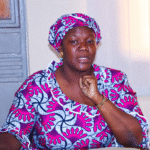
Organisations such as the African Forum and Network on Debt and Development (AFRODAD) have been vocal in their disappointment. Riska Koopman, AFRODAD’s International Public and Private Finance Officer, told reporters:
“Through the Common African Position, African countries cemented a coherent narrative on debt. South Africa’s G20 Presidency and the Leaders’ Declaration water down this attempt by African governments to be willful actors in reforming the global financial architecture to their benefit. The debt challenges facing African governments seep into every fibre of everyday life on the continent and can’t be separated from the urgency of reform.”
The summit also underscored growing geopolitical strains. The United States, which did not participate in this year’s G20, has since uninvited South Africa from the 2026 summit scheduled for Florida. Washington’s retreat from multilateral processes raises questions about the G20’s credibility as the premier forum for global economic governance.
AFRODAD and other advocacy groups argue that the G20’s limitations highlight the need to shift decision-making to more democratic institutions. They continue to press for a United Nations Framework Convention on Sovereign Debt, a legally binding mechanism rooted in fairness and equity.
For many across Africa, the disappointment is not abstract. With debt servicing costs consuming public budgets, the lack of decisive action at the G20 will be felt in households for years to come.