By Engage Salone
Freetown, 5th October 2026- This week, the Government issued a statement refuting reports that the European Union’s decision to hold back 18 million Euros in budget support has nothing to do with Bolle Jos. The EU Commissioner for Internal Affairs and Migration, Magnus Brunner, has also said the current suspension is for “technical reasons.” But the Dutch government tells a different story in media reports.
Dutch Justice Minister David van Weel says the Netherlands has been pushing the EU to use financial pressure on Freetown over the Government’s handling of Jos Leijdekkers, the convicted Dutch cocaine trafficker better known as Bolle Jos.
As important as this story is, we do not want to dwell on who is right about why the €18 million isn’t coming through. There is a much bigger concern. Bolle Jos has become a baggage Sierra Leone cannot leave behind. Almost two years after the scandal exploded, his name keeps following us everywhere. In international newspapers, diplomatic exchanges, bilateral meetings, and, for a while now, conversations about European aid. It has also been a consistent feature in questions put to government officials during interviews and elsewhere. Lek fart na trosis, (or even worse) Bolle Jos follows us everywhere.
With the risk of sounding repetitive, we should note that much of this enduring scandal stems from the Government never convincingly clearing the air or taking steps that make citizens believe it is serious about the drug lord.
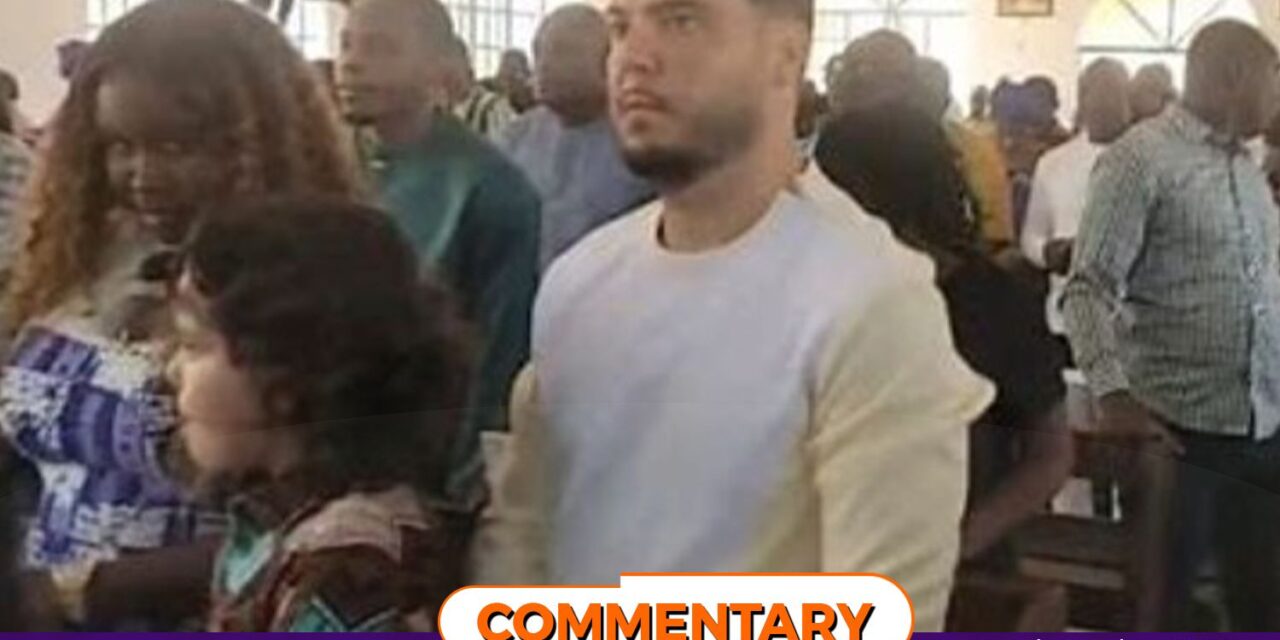
When the allegations first became public in January 2025, the Government promised a thorough investigation and said Sierra Leone would not become a safe haven for organised crime. The Netherlands submitted an extradition request, and the Attorney General later confirmed that the documents had been received. Yet here we are. A man who attended church with the President and was later seen in other videos hanging out with the powers that be just disappears like salt na plasas?
President Bio’s Government likes to speak proudly about “rebranding” Sierra Leone. Considerable public resources have gone into international trips, conferences and diplomatic engagements. But reputation does not work like that. It is like rolling in potor-potor because you can afford to buy bleach. How long pan dat?
As Sierra Leoneans, we should understand this better. More than 20 years after the civil war ended, war remains one of the first associations many outsiders have with this country. National reputations are painfully slow to build or change. From civil war to Ebola, we can’t afford to carry the label of a narco-state and some gangster paradise as presented in the Economist article.
We should therefore be alarmed when Sierra Leone increasingly appears in international reporting alongside cocaine trafficking, organised crime and allegations that a European fugitive has enjoyed protection here. A drug haul gets busted, and as a Sierra Leonean, the first thing you concerningly look for in the news is whether it’s associated with your country. How we reach ya ba?
Whether every allegation is true is precisely why the Government should want clarity. If Leijdekkers is not in Sierra Leone, demonstrate it convincingly. If investigations have been conducted, tell the public what was found. If allegations of protection or political connections are false, confront them with facts. Not the sort of red herring defense that we heard from the Chief Minister the other day. Silence, half-hearted commitments and unconvincing denials have certainly not made this scandal disappear. And that is probably the biggest lesson from this week’s EU controversy.
Right now we are talking about the EU aid controversy. Not long ago, we were dealing with drug busts in Europe. Or Bolle Jos’ men staging operations in Ghana. Tomorrow, it will be another international news report or another uncomfortable question to a Sierra Leonean official. Or it might just be an innocent citizen hanging out with their non-Sierra Leonean friends and having to answer questions about their country being associated with Europe’s most-wanted drug dealer. You just want to enjoy a pint, but Bolle Jos comes up. Ordinarily, the Sierra Leonean retort would be how me connect? Unfortunately, we are not able to say that in these circumstances because this is home. The only home for most Sierra Leoneans, unlike a good number of people in power who hold other residencies and passports.
Until the Government decides that this matter requires decisive, transparent action, the scandal will remain exactly what it has become. It’s the fart na trosis that refuses to go away.