By Kelfala Kargbo
Freetown, 15th September, 2026 – The Freetown City Council has launched the School Sodium Reduction Policy Project for foods sold in municipal schools, a major step in improving the health of pupils across schools in the municipality.
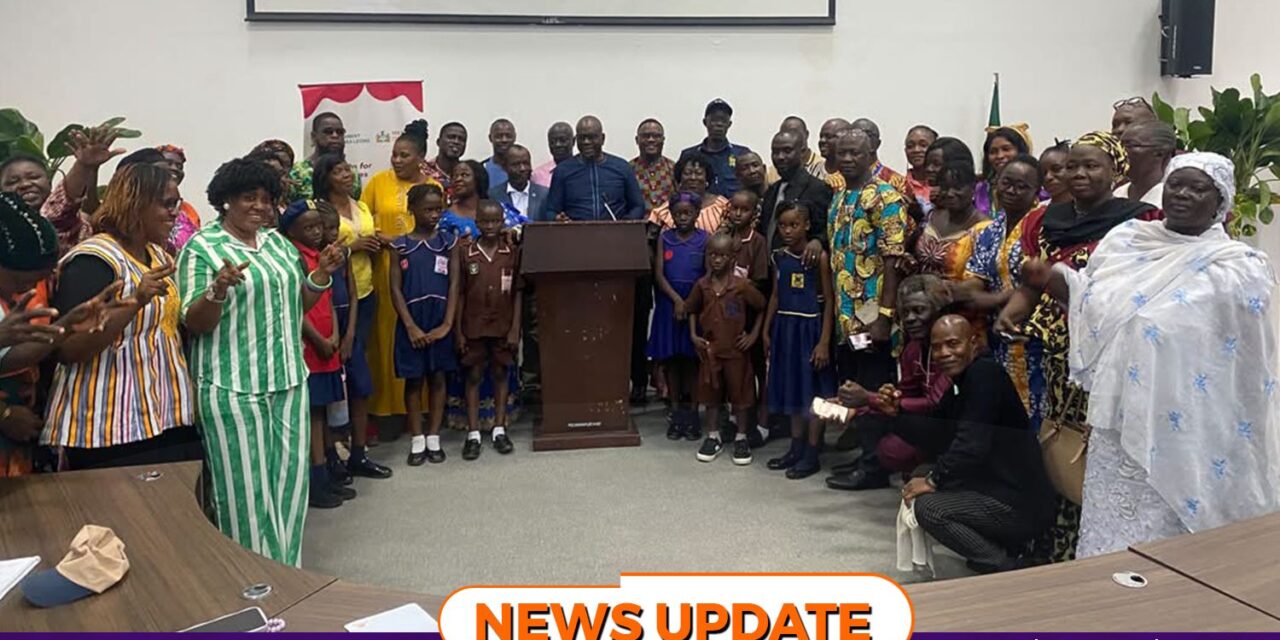
The launch, held at the FCC Hall on Friday, 11th September, marked the official kickstart of the project to be adopted by municipal schools in the municipality.
The conference room was filled with stakeholders, including representatives from the Ministry of Basic and Secondary School Education (MBSSE), Ministry of Health (MoH), World Health Organization (WHO), school heads and pupils.
Why Sodium Reduction matters in schools? – Delivering the presentation on the guidelines of the project, Consultant Mariama Whitmore highlighted health risk on the children from high sodium, tying hypertension, cardiovascular disease and stroke. She added that over 22% of Sierra Leoneans suffer from hypertension and cardiovascular disease, with hypertension affecting one in four adults in Sierra Leone. Commonly used sodium, the guideline states, is bouillon cubes mixed with salt.
To mitigate the high intake of sodium, she said, children may become accustomed to less salty foods.
Recommendation of sodium use both in children and adults – Excessive salt, the guideline reveals, can lead to high blood pressure and increase the risk of heart disease, calling for a more limited use.
For children, between 1-3 years should take 800mg person, between 4-8 should take 1,00mg, 9-13 should take 1,200 and between 14-18 should consume 1,500 mg per day.
For adults aged 19 and above, the recommended salt consumption is prescribed at less than 2,000mg per day, meaning less than one teaspoon.
What to purchase for consumption? – The guideline encourages children to purchase and eat fresh fruits and vegetables rather than processed options, dissuading them from purchasing packaged foods that have excessive salt.
The guideline also calls for avoidance of adding salt in staples like rice, couscous, bulgur, millet (fundi) and “foofoo,” porridges and snacks like popcorn, ‘fries’, fried plantain and breadfruit chips.
The guideline further encouraged the use of natural flavours in the preparation of food.
Launching the project, the Deputy Mayor, Kweku Melvin Lisk, said sodium is a silent killer, and for FCC to launch the project shows that it places the health of the children over everything.
He added that having every player coming together shows they care about the future of the children.
“Today, to see every stakeholder come here and embrace this initiative…I just don’t want it to end in words, but we should put action because our children must begin to eat healthy,” Lisk said.
The project, according to Lisk, will be launched across schools, as Mayor Yvonne Aki-Sawyerr will go on a tour to schools in the city.
Headteacher of Eastern Municipal Infant School, Tigidankay Cole, said she learnt that too much salt is bad for the children, promising that she will ensure that the vendors in her school reduce the amount of salt in their food.
“Since this program has been launched, we will be tasting the food whether the vendors are bringing the right food for the children,” she affirmed.
Government representatives who delivered statements committed their support to the project, noting that they will ensure it is applied across schools in Freetown.