By: Eric Kawa
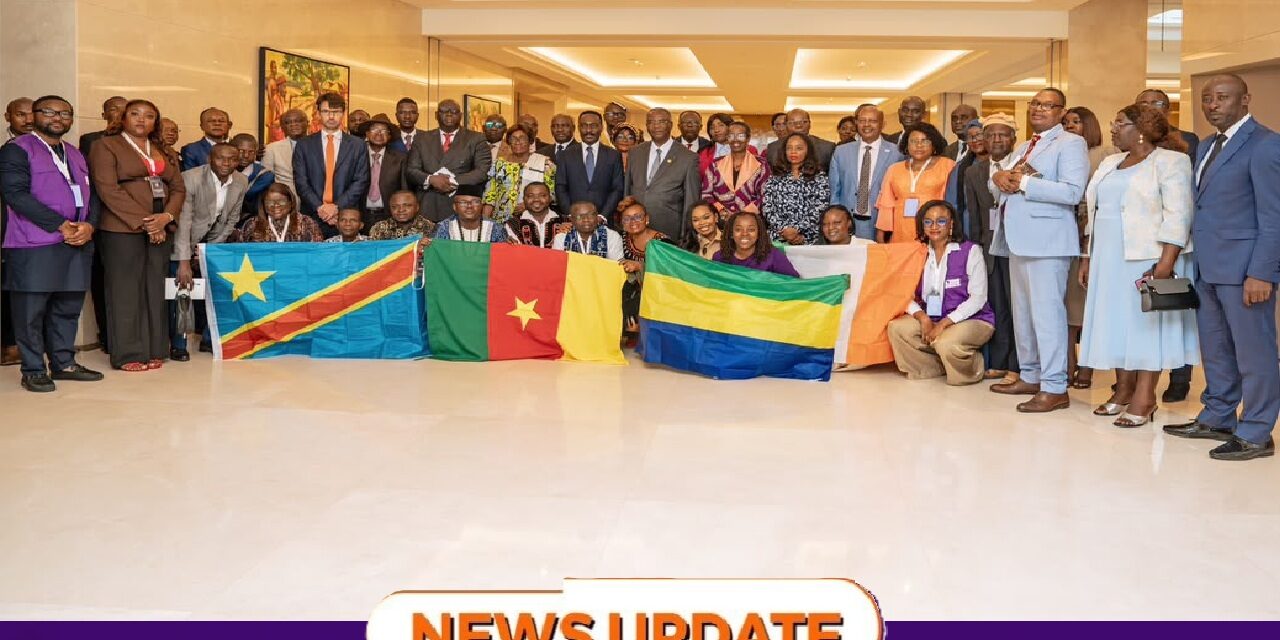
Brazzaville, Republic of Congo, 11th September 2026- Journalists and media professionals from six African countries, including the Republic of Congo, Cameroon, the Democratic Republic of Congo, Côte d’Ivoire, Gabon and Sierra Leone, are part of a new regional network aimed at strengthening coverage of malaria.
The Francophone Alliance of Media and Journalists Against Malaria in Africa (AFRIMPA), launched in the Republic of Congo on Tuesday, is the first regional network designed to support sustained and in-depth reporting on malaria, including financing, accountability, innovation and the realities faced by communities.
The three-day launch comes as the malaria community steps up efforts under the Big Push campaign to accelerate progress towards ending the disease. Nearly 40 journalists, media professionals, representatives of national malaria control programmes, community members and regional and global partners are taking part.
AFRIMPA is being established under the leadership of Impact Santé Afrique (ISA), which serves as its secretariat, with support from the RBM Partnership to End Malaria, the Global Fund to Fight AIDS, Tuberculosis and Malaria, Medicines for Malaria Venture (MMV) and the World Health Organization’s African region. The Brazzaville launch is being held in collaboration with the Plateforme des ONG et Associations de Lutte contre le Paludisme au Congo (POALP).
The opening ceremony was led by Professor Jean-Rosaire Ibara, Minister of Health and Population of the Republic of Congo, who welcomed the initiative as a concrete step towards keeping malaria on the national and regional political agenda.
The minister’s message was framed around the goal of moving African countries toward malaria elimination.
“Every preventable death must strengthen our determination. Every child protected is a victory. Every pregnant woman properly protected and cared for is progress. Every well-informed community brings us closer to an Africa free of malaria.” Said Professor Ibara.
AFRIMPA aims to give journalists the networks, information and opportunities needed to follow malaria-related issues over time.
The alliance builds on existing national initiatives, including malaria media networks in Cameroon and the Democratic Republic of Congo, which organisers said had demonstrated an appetite for more structured, cross-border collaboration among journalists.
Day One discussions focused on the malaria Big Push, the current state of the disease and threats to recent gains. Journalists and community representatives also examined the human impact behind malaria statistics, while reporters from several countries compared the challenges of getting malaria stories published.
“The Big Push calls for leadership and accountability to return to the centre of the malaria response. The media have an essential role to play in following commitments, asking important questions and keeping attention on what is actually being implemented in countries,” said Dr. Michael Aekunle Charles, CEO of the RBM Partnership to End Malaria.
AFRIMPA plans to support members in tracking funding gaps and trends, domestic resource mobilisation, national health budgets and Global Fund processes and commitments. It also intends to create opportunities for journalists to access and cover major regional and international meetings where such decisions are discussed.
“At a time of growing pressure on health financing, commitments cannot be followed only when they are announced. Independent, well-informed journalism can help show where resources are going, what results they are delivering and where the gaps remain,” said Olivia Ngou, Executive Director of Impact Santé Afrique.
The network will also focus on innovation and emerging threats, including antimalarial drug resistance. A session on Wednesday, September 10, will focus on new treatments and innovation in the malaria response.
“Innovation only matters if the people who need it can understand and access it. Journalists are critical to explaining what is changing in malaria treatment, questioning the evidence and making scientific progress understandable to the public,” said Dr André-Marie Tchouatieu, Senior Director of Global Medical Affairs at Medicines for Malaria Venture.
By the end of the meeting on September 11, participants are expected to adopt AFRIMPA’s first operating framework and agree on initial priorities for the network.