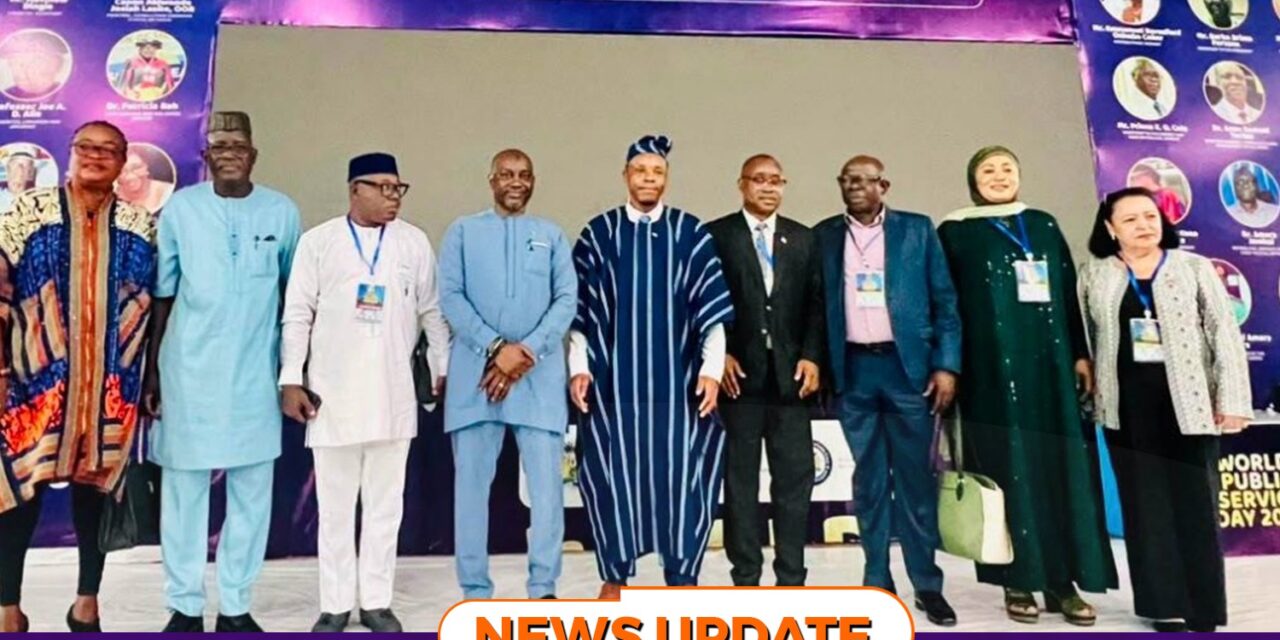
Freetown, 23rd June, 2026 — Sierra Leone has celebrated its first-ever United Nations Public Service Day, with government leaders unveiling sweeping reforms aimed at building a more efficient, inclusive, and innovative public sector.
Representing President Julius Maada Bio at the event, Chief Minister Moinina David Sengeh highlighted public sector reform as one of the administration’s “Big Five Game Changers,” stressing that sustainable development cannot be achieved without a robust and accountable civil service.
“One of the Big Five Game Changers of this government is public sector reform because it is fundamentally clear that we cannot achieve inclusive sustainable development without a robust public sector. Nurses, teachers, doctors, administrators, tax collectors, etc all affect the quality of our daily lives. That is why I remain a champion of public service”
Key reforms announced include: Drafting of the first Public Service Bill and a proposed constitutional chapter on public service, completion of over 40 management and functional reviews across institutions, introduction of a digital HR Hub to modernize staff management and transformation of the Civil Service Training College into a Public Service Academy.
Also highlighted was the provision of scholarships for more than 100 civil servants trained abroad in recent years, digitization of civil service recruitment to ensure fairness, the evelopment of a Code of Conduct for Ministers and Political Office Holders and the ongoing work by the Wages and Compensation Commission to harmonize salaries.
During the ceremony, 27 awards were presented to distinguished public servants in recognition of their contributions to national development. “When people serve their country, they should be recognized as well,” officials emphasized.
The reforms, rooted in President Bio’s vision of human capital development, are designed to embed transparency, accountability, and efficiency into Sierra Leone’s governance systems.
The celebration also carried a personal note, with leaders reflecting on family legacies of public service and underscoring the importance of civil servants, from teachers and nurses to administrators and tax collectors in shaping the daily lives of citizens.