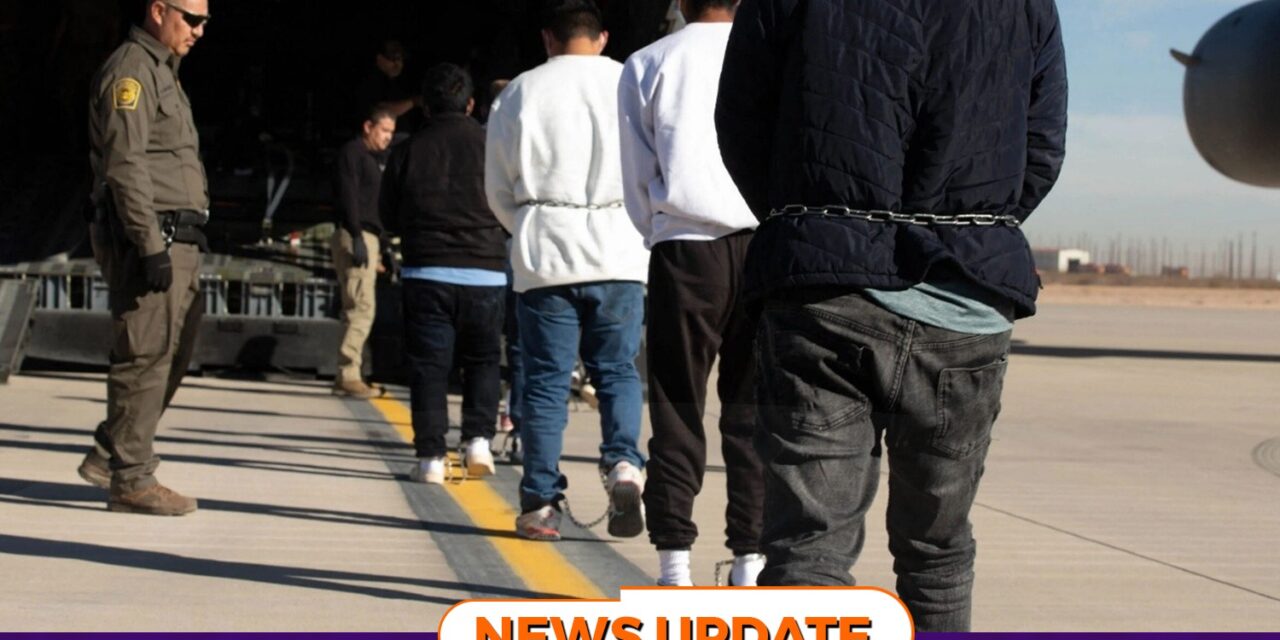
Freetown, 22nd June 2026- Asylum seekers deported by the United States to Sierra Leone face the possibility of being sent back to their home countries, where they fear persecution, despite prior U.S. court orders blocking their removal, according to lawyers and documents reviewed by The Associated Press.
About a dozen migrants arrived in Freetown on Thursday aboard the second U.S. deportation flight to Sierra Leone, following an earlier transfer of nine West Africans last month, attorney Erica Reilly told AP.
Sierra Leone is among at least nine African nations that have signed third‑country deportation agreements with Washington. Officials say the country is only receiving citizens of West African states, though similar deals have also been struck with several Latin American and Caribbean nations.
A briefing pamphlet distributed to the deportees upon arrival describes Sierra Leone as a “temporary transit location,” stressing that “no long‑term settlement is provided for or permitted.” The document, seen by AP, was issued by Kenvah Solutions, a private contractor hired by the Sierra Leonean government to manage accommodation, food, healthcare, and onward transfers.
The pamphlet further states that authorities are working to “return you home as quickly and safely as possible.” Neither Kenvah Solutions nor Sierra Leonean officials responded to requests for comment.
Immigration advocates argue that the U.S. is using third‑country deportations as a legal loophole to indirectly force asylum seekers back to their countries of origin, where they may face persecution. Under a series of often‑secret agreements, the Trump administration has deported thousands of people to nearly two dozen countries that are not their own.
Sierra Leone’s Foreign Minister Timothy Kabba confirmed last month that the deal with Washington is backed by a $1.5 million U.S. grant, intended to support the program’s humanitarian and operational costs.
As deportation flights continue, rights groups warn that the policy risks undermining international protections for asylum seekers and could expose vulnerable migrants to grave harm.