By Nafisatu Olayinka Deen
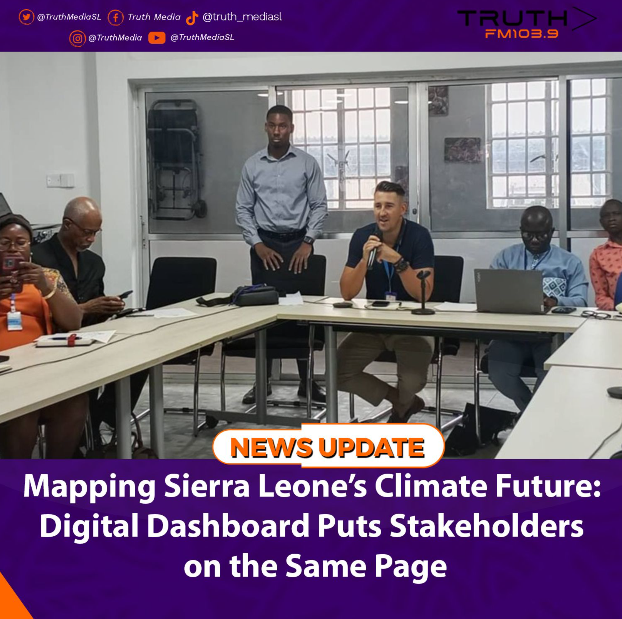
Freetown, 2nd March 2026- Sierra Leone’s climate sector has long struggled with fragmented data and scattered initiatives. Projects often overlap, donors operate in silos, and communities remain unaware of who is doing what. But a new digital tool the Climate Environment Stakeholder Decision Support Dashboard is changing that narrative by offering a single platform to track, visualize, and connect climate actors across the country.
Developed through collaboration between the Ministry of the Environment and Climate Change and the Directorate of Science, Technology and Innovation (DSTI), with support from UNICEF, the dashboard is designed to bring clarity and coordination to Sierra Leone’s climate response. It records stakeholders, their areas of operation, thematic focus, and target beneficiaries, creating a living map of the country’s environmental efforts.
“This tool helps us see where our partners are and what they are doing,” explained Lahai Samba Keita, Director of Environmental Emergencies. “Before now, we couldn’t easily locate projects or track donor activities. With this dashboard, we can avoid duplication and strengthen collaboration.”
The dashboard currently lists 46 registered stakeholders, covering 16 operational areas and 17 thematic focus points ranging from land restoration and reforestation to renewable energy, biodiversity, and climate education.
For UNICEF’s innovation lead James Houghton, the tool is about more than data. “It’s about understanding who is working in the climate space, what they are doing, and when they are doing it. That knowledge is critical for building resilience and ensuring resources reach the right communities.”
Stakeholders have welcomed the initiative, but they also see room for growth. Tigidankay Bah, project manager at DSTI, emphasized the importance of feedback: “This is the first collaboration of its kind between DSTI and the Ministry. We want stakeholders to refine the tool so it truly serves their needs.”
The dashboard’s potential goes beyond mapping. By making climate data accessible and transparent, it could help policymakers design evidence-based strategies, donors identify gaps, and communities hold institutions accountable.
As Sierra Leone faces mounting climate challenges from coastal erosion to unpredictable rainfall tools like this dashboard may prove vital. They not only track projects but also weave together the country’s fragmented climate response into a more coordinated, resilient future.