By: Andrew Chokpeleh
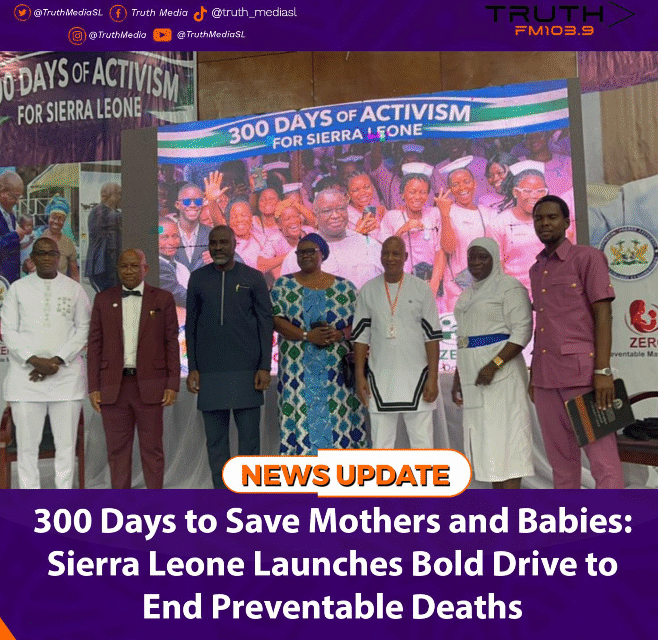
Sierra Leone has set itself an ambitious target: zero preventable maternal and child deaths within 300 days. The Ministry of Health, backed by development partners, has launched a nationwide “300 Days of Activism” campaign to accelerate progress in reducing maternal and child mortality.
The initiative follows President Julius Maada Bio’s pledge at the 39th African Union Summit to drastically cut maternal and child deaths. Chief Minister Dr. David M. Sengeh, delivering the keynote address, urged citizens to see the campaign as a collective responsibility. “Saving a mother and her child means saving a family and securing the country’s future,” he said, stressing that the drive aligns with the government’s National Mid-Term Development Plan.
Health Minister Dr. Austin Demby highlighted the country’s transformation from being labeled internationally as a “graveyard for pregnant women” to one making strides in maternal care. He pointed to upgrades in facilities such as Kono and noted that the number of children without vaccinations has dropped from over 45,000 to about 5,000. “Most of these deaths are preventable,” he emphasized, calling for stronger referral systems and discouraging risky home deliveries.
Edwina Florence Conteh, President of the Midwives Association, acknowledged progress but warned of persistent challenges. Many women still walk long distances to reach health facilities, while shortages of equipment, ambulances, and trained staff remain. She cautioned against harmful practices such as herbal remedies during pregnancy and urged tighter regulation of private clinics.
Despite optimism, citizens question whether the campaign can succeed in communities with little or no access to healthcare. Fuel shortages, broken ambulances, and hostile attitudes from some health workers continue to undermine trust in the system.
The campaign’s success will hinge on addressing these systemic gaps—ensuring facilities are equipped, staff are motivated, and communities are engaged. For Sierra Leone, the next 300 days could be decisive in rewriting its maternal health story.