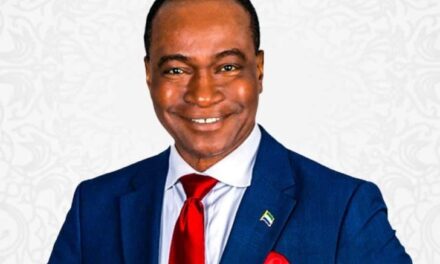
Freetown, 1st December 2025- An International Monetary Fund (IMF) mission led by Mr. Christian Saborowski has concluded its visit to Sierra Leone, reaching a staff-level agreement with the government on the first and second reviews of the country’s economic program under the Extended Credit Facility (ECF). If approved by the IMF’s Management and Executive Board, the reviews will unlock about US$78.8 million in financing.
The IMF noted that Sierra Leone’s fiscal stance in 2024 tightened 1.9 percentage points of GDP less than expected, largely due to unbudgeted spending on road construction. These overruns increased reliance on domestic financing and pushed borrowing costs higher.
Authorities are now on track to achieve a domestic primary surplus of 0.6 percent of GDP in 2025, representing a significant 3.3 percentage points of GDP consolidation compared to 2024. However, the IMF flagged that commitments to scale up social spending have not been met, raising concerns about the protection of vulnerable groups.
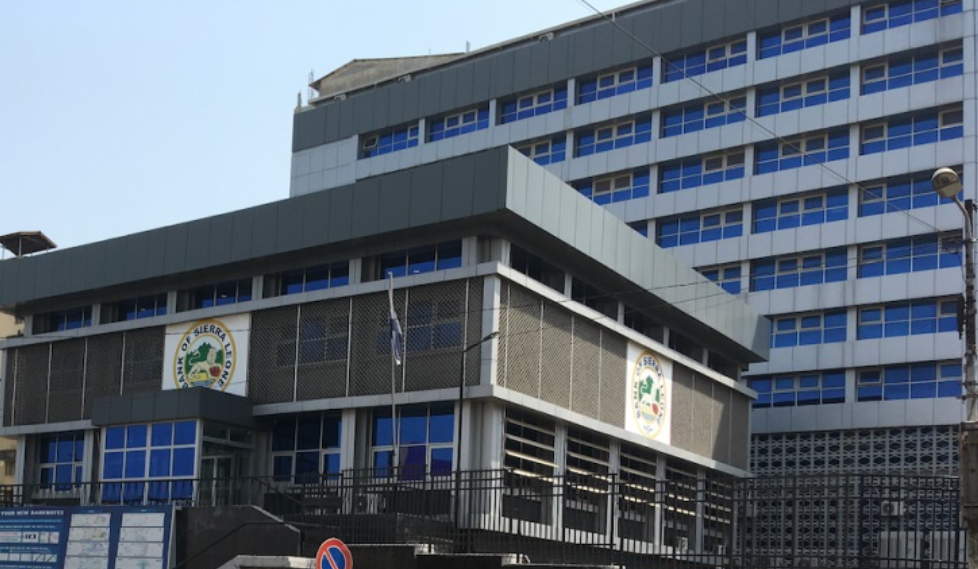
The Bank of Sierra Leone (BSL) has shifted monetary policy from tightening toward a neutral stance, supported by low inflation and fiscal consolidation. Since May, the BSL has reduced the policy rate by 6 percentage points to 18.75 percent.
Inflation fell to 4.4 percent in October, while growth is projected at 4.4 percent in 2025. Treasury bill rates have dropped sharply, from over 40 percent to around 17 percent since May.
Despite these improvements, reserves remain a major weakness. BSL reserves fell to just 1.5 months of imports by end-September, a level the IMF described as a “significant concern.”
The IMF emphasized the need for a larger fiscal effort to correct policy slippages and reduce reliance on domestic borrowing. The government’s revenue mobilization strategy will focus on 1.5 percentage points of GDP in new tax policy measures, alongside stronger tax compliance and administration.
Expenditure restraint will remain critical, but the IMF urged authorities to protect social spending. Structural reforms are also expected to accelerate, including improvements in public financial management, debt management, and governance.
Persistent solvency challenges in the banking system were highlighted, with calls for stronger oversight, regulation, and safety nets.
The IMF projects medium-term growth at 4.6 percent, with inflation expected to remain in single digits. However, risks remain high. Reform fatigue, slower global growth, tighter financial conditions, and geopolitical uncertainty could undermine progress and worsen fiscal and external accounts.
The IMF praised Sierra Leone’s resilience to macroeconomic tightening, noting progress in growth, inflation, and borrowing costs. Yet, the mission warned that low reserves, unmet social spending commitments, and fiscal overruns pose serious challenges.
The staff team expressed appreciation to Sierra Leonean authorities for “open and productive discussions,” meeting with Finance Minister Bangura, BSL Governor Stevens, and other senior officials, as well as civil society and private sector stakeholders.