By Andrew Chokpeleh
Freetown, 2nd December 2025 — Sierra Leone’s extractive sector is turning its attention to a resource often overlooked in national discourse: dimension stones. Globally, the market has surged from about US$5.74 billion in 2023 to a projected US$7.02 billion by 2026, growing at a compound annual rate of 5.2%. Long-term forecasts suggest the industry could reach US$20 billion, driven by rising demand for construction and infrastructure.
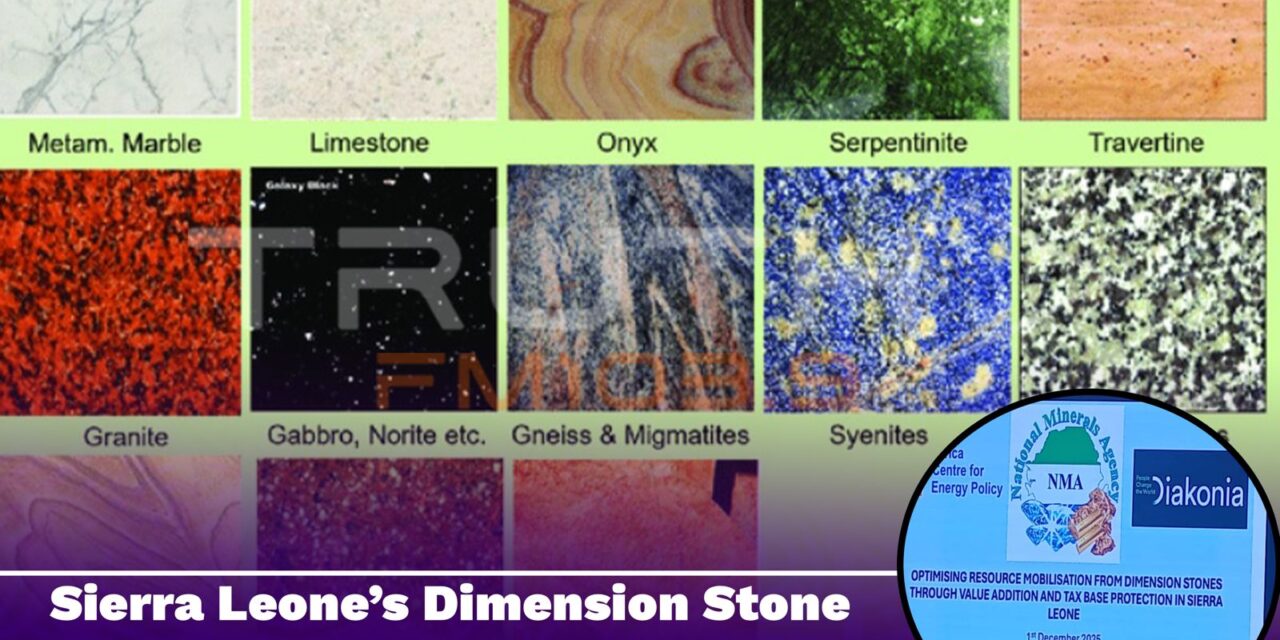
Dimension stones- natural rocks such as granite, marble, limestone, and sandstone cut into blocks or slabs- are widely used in building roads, ports, railways, and housing. Their durability and aesthetic value make them essential for modern infrastructure, yet in Sierra Leone, they remain underutilised compared to diamonds, gold, and bauxite.
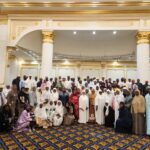
Against this backdrop, the African Centre for Climate Change convened a Civic Engagement Forum on “Strengthening Accountability and Transparency in Sierra Leone’s Extractive Sector: Empowering Civil Society to Leverage Public Contract Disclosures for Monitoring and Illicit Financial Flows (IFFs) Reduction.” The forum spotlighted the potential of dimension stones and the urgent need for stronger governance.
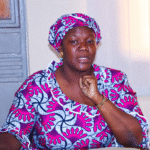
Engineer Hadji Dabo, Director General of the National Minerals Agency (NMA), acknowledged both the promise and the challenges. He cited child labour, unsafe artisanal practices, gender inequality, and widespread non-compliance as persistent issues. “Many companies secure quarry licenses but later exploit dimension stones illegally,” Dabo warned, adding that weak regulation has led to revenue losses and environmental degradation.
He noted that while government bans on timber harvesting and stone extraction were once imposed, they failed to deliver lasting oversight. “The seriousness of the issue has compelled the government to establish an institution dedicated to supervising extraction and exportation to enhance transparency,” he said.
Dr. Charles G. Ofori, Policy Lead for Climate Change and Energy Transition at ACEP, urged Sierra Leone not to dismiss minerals deemed “small” or of lower commercial value. “With accurate data we can calculate royalties, reduce leakages, and strengthen accountability. If Sierra Leone takes dimension-stone extraction seriously, it could contribute significantly to GDP,” he emphasized.
The discussions concluded with calls for comprehensive regulatory frameworks, improved data accessibility, and proper taxation to maximize revenue. Participants agreed that dimension stones, though often overshadowed by precious minerals, could become a cornerstone of Sierra Leone’s economic growth if managed sustainably.