By Davida Spaine-Solomon
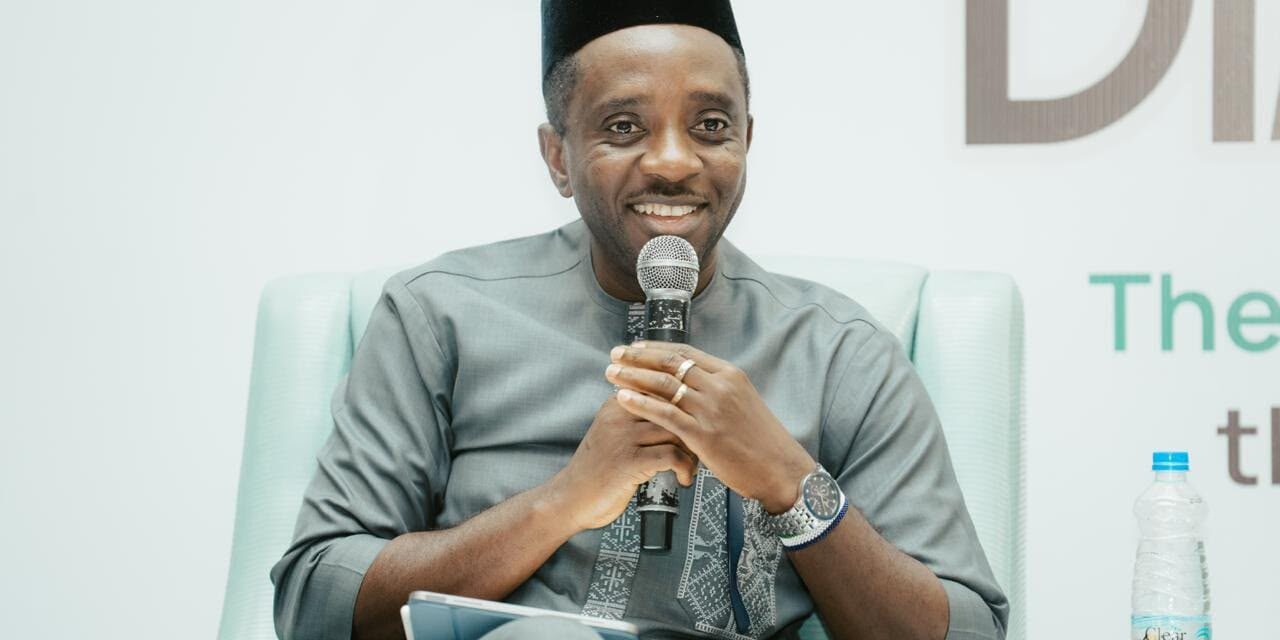
Freetown, 28th October 2026- Young people, government officials and development partners have called for stronger youth participation in policymaking and governance, urging authorities to translate commitments into practical action at the Sierra Leone Youth-Policy Dialogue Forum in Freetown on Wednesday, 28 October 2026.
The forum, held at the Radisson Blu Hotel, was organised by the African Union Economic, Social and Cultural Council (AU-ECOSOCC) in collaboration with Reform Initiatives and the United Nations Development Programme (UNDP).
Held under the theme “Gen Z, Political Transitions and the Future of Governance in Africa,” the dialogue brought together young people and policymakers to discuss youth employment, accountability, democratic participation and ways to strengthen young people’s influence over public institutions.
Youth leader and advocate Samantha Strong urged stakeholders to move beyond policy discussions and deliver tangible improvements in the lives of young people, particularly those facing unemployment and economic hardship.
“We cannot continue to discuss or to just have policy language in documents and have discussions in halls whilst ignoring the realities that young people face,” she said.
Strong, who placed second in the 2022 AU-ECOSOCC Young Africans Writing Contest, said meaningful participation required more than consultation, stressing that young people should have opportunities to shape policies, contribute to implementation and hold institutions accountable.
Head of the AU-ECOSOCC Secretariat, Ambassador William Carew, challenged stakeholders to find ways of connecting youth activism with formal decision-making structures.
“How do we move young people from the street and social media into institutions where decisions are made?” he asked.
Carew noted that young people across Africa were increasingly demanding accountability over unemployment, inequality, corruption and access to public services. He called for the dialogue to produce clear recommendations, identify institutions responsible for implementation and establish mechanisms to monitor progress.
The Minister of Information and Civic Education highlighted government reforms and initiatives, including the Free Quality Education programme, the Gender Equality and Women’s Empowerment Act, legislation prohibiting child marriage, the abolition of the death penalty and the decriminalisation of criminal libel.
He encouraged young Sierra Leoneans to recognise progress in expanding opportunities for youth participation in national leadership while acknowledging the need for further reforms.
The Deputy Minister of Labour said the government had created approximately 4,701 jobs since 2018, urging young people to take advantage of available opportunities and contribute to national development.
Deputy Minister of Youth Affairs Michael Gibrilla said young people account for almost 60 per cent of Sierra Leone’s population, highlighting their significance to the country’s democratic and economic future. He encouraged participants to approach governance issues analytically and propose constructive solutions.
The discussions come as Sierra Leone pursues its Medium-Term National Development Plan 2024–2030, which prioritises youth employment and targets the creation of 500,000 jobs by 2030. The plan includes measures to expand employment opportunities, improve skills development and promote youth entrepreneurship.
The dialogue also highlighted the relevance of the African Charter on Democracy, Elections and Governance and the African Youth Charter, both of which promote citizen participation and greater youth involvement in decision-making.
Participants concluded by calling for sustained collaboration among young people, government institutions, civil society and development partners to ensure that youth engagement produces measurable results and contributes to accountable governance and national development.