Freetown, 9th March 2026- On International Women’s Day 2026, President Julius Maada Bio delivered a speech. He drew inspiration from the discipline of his late mother, the resilience of his sister, and the future of his daughters.
He celebrated the Gender Equality and Women’s Empowerment Act of 2022, which guarantees women 30% representation in public office, whilst boldly establishing that “Violence against women is not tradition. It is an injustice. It is a crime. And it must end now.”
As usual, the president’s speech was inspiring. It was polished. It was presidential. But it was also incomplete. Because in all the rising rhetoric, one word never crossed his lips: FGM.
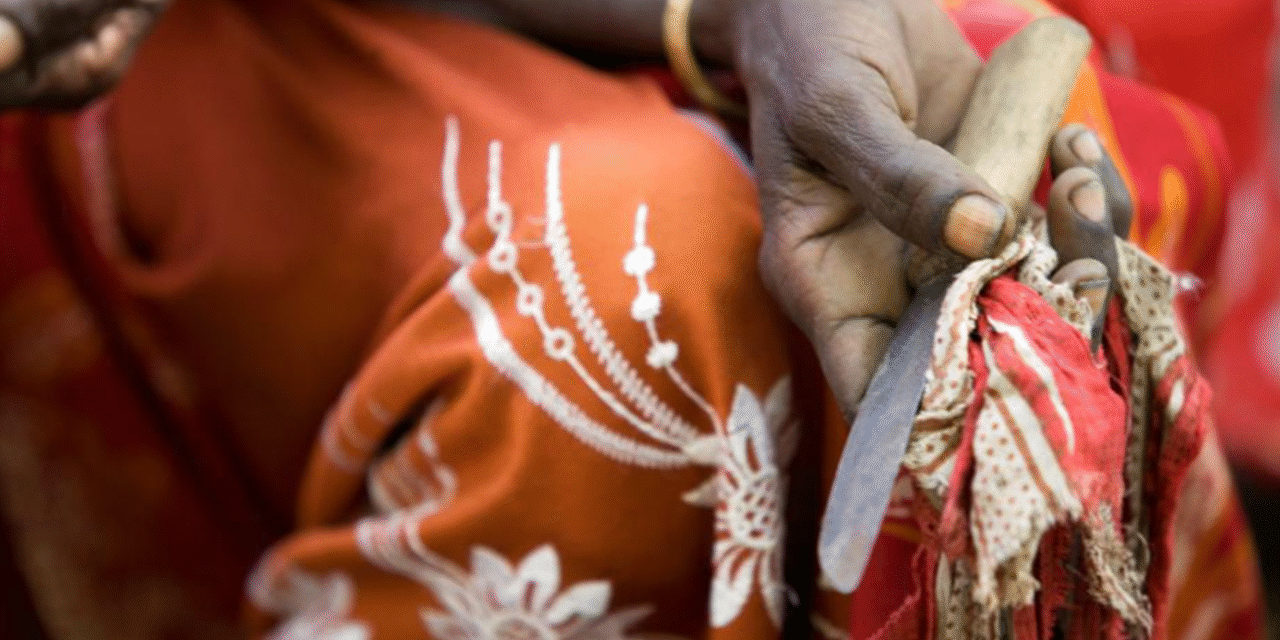
Female Genital Mutilation remains one of the most entrenched and devastating practices in Sierra Leone. An estimated 86% of women aged 15–49 have undergone FGM, making Sierra Leone one of the countries with the highest prevalence worldwide. Among younger girls aged 15–19, rates remain stubbornly high, although slightly lower than those in older generations, indicating slow but insufficient progress.
With prevalence rates among the highest in the world, it robs girls of their bodily autonomy, scars them for life, and undermines every promise of dignity and equality. To speak of dismantling “harmful practices” while naming child marriage but not FGM is not just an oversight; it is a glaring omission.
Silence on FGM is not neutral. It is political. It signals hesitation to confront a practice that is culturally sensitive but internationally condemned. And on International Women’s Day, a day meant for accountability, not just applause, that silence is deafening.
President Bio’s speech leaned heavily on past achievements and symbolic solidarity. But International Women’s Day is not a victory lap. It is a call to action. It demands new commitments, sharper enforcement, and unflinching honesty about the barriers that remain. Without naming FGM, the promise of “Rights. Justice. Action. For ALL Women and Girls” rings hollow.
If Sierra Leone is to truly embody that theme, future addresses must do more than celebrate progress. They must confront FGM head-on with strong rhetoric and stronger measures: community education, survivor support, legal enforcement, and regional collaboration. Anything less is a betrayal of the girls whose futures are being cut short by this practice.
President Bio’s words were inspiring, yes. But until FGM is named and tackled with urgency, his silence will remain louder than his promises.