Lungi, 23rd November, 2026- Sierra Leone has emerged from the inaugural West Africa Integration and Investment Summit (WAIIS) 2026 with agreements, financing commitments and project announcements worth an estimated US$19 billion, positioning the country at the centre of a new regional push for infrastructure, energy, mining, manufacturing and trade expansion.
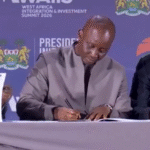
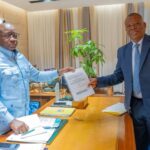
The three-day summit, hosted by President Julius Maada Bio in Lungi, concluded with the signing of 13 agreements and seven major project launches and announcements, bringing together governments, investors, development finance institutions and private sector actors around one of the largest investment pipelines ever unveiled in Sierra Leone.
The headline projects include the proposed Banana Island Deep-Water Port and Railway Programme, estimated at approximately US$6.1 billion, the Three Cities Development Project and Ring Road Programme valued at about US$2 billion, and the Baomahun Gold Project, estimated at US$1.5 billion.
Other major investment commitments announced during the summit include a US$1 billion ECOWAS Agribusiness and Rice Sovereignty Facility, a US$600 million Mano River Union Strategic Economic and Industrial Corridor, a US$200 million Afreximbank financing facility for infrastructure projects, a US$40 million AgriConnect Compact backed by the World Bank, and a planned US$40 million second submarine fibre-optic cable to strengthen Sierra Leone’s digital connectivity.
The summit’s cumulative investment pipeline covers 122 projects across the 15 ECOWAS member states, with a combined estimated value of US$19 billion, according to summit organisers.
A major highlight was the agreement between Gento Group, Dangote Industries and Afreximbank to advance the Banana Island Deep-Water Port, Kent logistics hub and railway link to Sierra Leone’s mining regions. The project is expected to transform the country’s role in regional trade and mineral exports while strengthening its position as a logistics gateway for West Africa.
Infrastructure development also received a significant boost through the Three Cities Development Initiative and the upgrading of the Ring Road corridor. The project, estimated at US$2 billion, is expected to support urban growth, improve connectivity and stimulate economic activity across key commercial centres.
In the mining sector, Boxmoor Resources secured sovereign investment backing from Angola’s sovereign wealth fund for the Baomahun Gold Project, valued at approximately US$1.5 billion. Separately, the Bank of Sierra Leone announced plans to begin purchasing locally produced gold from the mine to strengthen the country’s reserves.
The energy sector featured prominently among the deals signed. Agreements were reached for the Northern Transmission Corridor, the Teyei Hydropower Project and the expansion of NANT Power’s 108-megawatt gas-to-power plant at Kissy, which will include additional generating capacity and an LNG terminal intended to serve Sierra Leone and the wider region.
Manufacturing and technology also formed part of the summit’s investment agenda. The government signed an agreement for the establishment of a mobile phone and electronics assembly plant in Sierra Leone, while Sierratel and Africell entered into a joint venture to pursue telecommunications licences across Africa under a Sierra Leonean brand.
Agriculture and food security received substantial attention through the launch of the US$1 billion Agribusiness and Rice Sovereignty Facility and the US$40 million AgriConnect Compact. Both initiatives are aimed at increasing agricultural production, supporting value addition and reducing the region’s reliance on imported food.
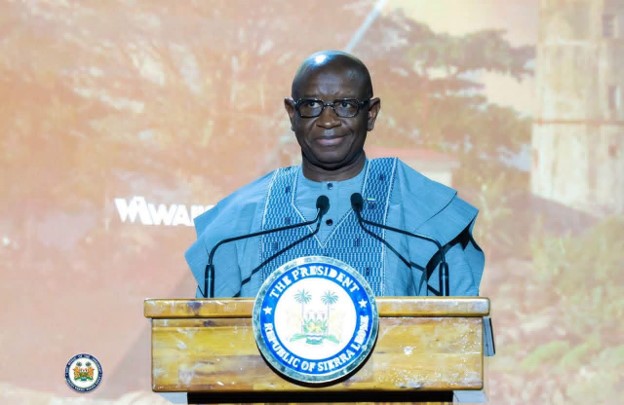
Addressing delegates at the close of the summit, President Bio described WAIIS as a platform for transforming regional integration ambitions into tangible investments and jobs, urging governments and investors to move beyond declarations and ensure that signed agreements translate into real economic outcomes.
For Sierra Leone, the summit’s conclusion marks the beginning of what could become one of the country’s most ambitious investment agendas, with billions of dollars in proposed projects now moving into the implementation phase and the potential to reshape key sectors of the economy, from transport and energy to mining, agriculture and digital infrastructure.