Freetown, 30th June 2026 — Sierra Leone has made notable strides in strengthening public financial management, but the International Monetary Fund (IMF) says the country’s budget credibility remains fragile, undermined by unrealistic forecasts and frequent policy shifts.
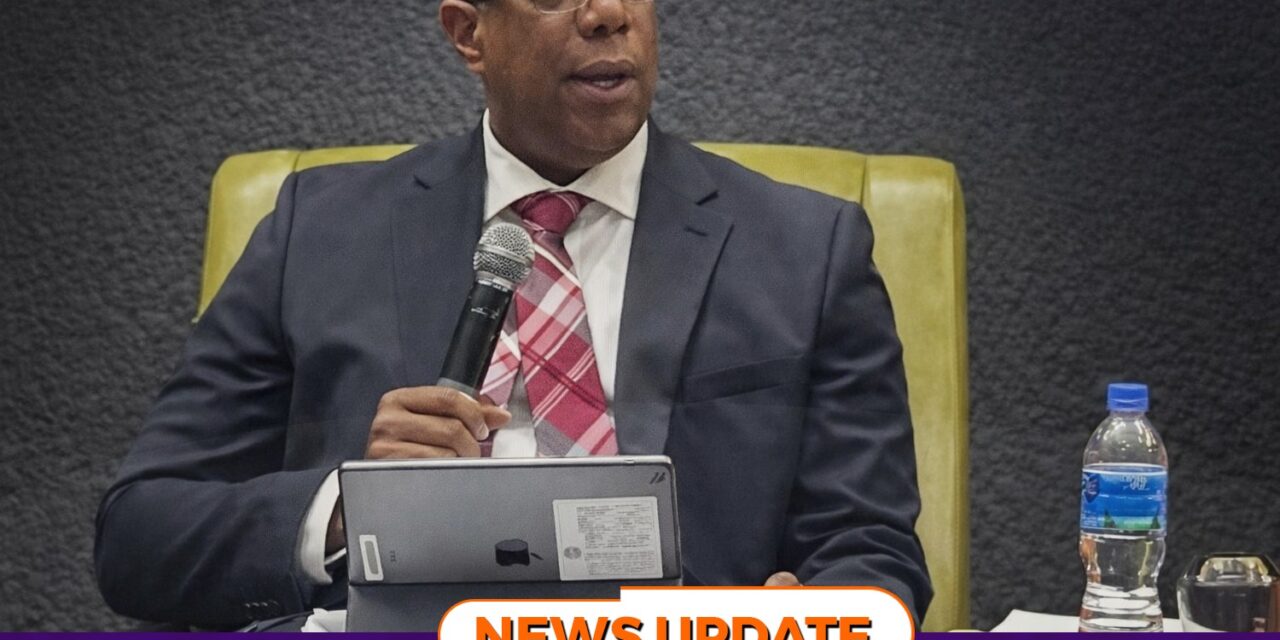
Speaking at a forum organized by the Budget Advocacy Network (BAN) at Radisson Blu, Aberdeen, IMF Resident Representative Wayne Mitchell acknowledged progress under the government’s 2023–2027 reform strategy. He cited the expansion of the Integrated Financial Management Information System (IFMIS), tighter payroll controls, improved debt management, and stronger financial reporting as measures that have boosted transparency. Recent IMF assessments also confirm a reduction in the domestic primary deficit.
Yet Mitchell stressed that Sierra Leone must confront unfinished business. “Budget credibility is still weak. It’s driven by unrealistic forecasts reflecting inadequate costings, reprioritization of policies, or the introduction of new policies that were not included in the budget,” he cautioned. He added that frequent reallocations from initial budget intentions erode trust and efficiency.
The IMF representative pointed to vulnerabilities in procurement that open doors to inefficiency and corruption, as well as shortcomings in extractive sector transparency, particularly in tracking mining revenues and disclosing beneficial ownership. Loss-making state-owned enterprises continue to weigh heavily on public finances, while the country’s low tax-to-GDP ratio deepens reliance on borrowing and external aid.
With external support expected to decline, Mitchell emphasized the urgency of raising domestic revenue and improving spending efficiency. He urged more realistic budget forecasting, fewer supplementary budgets, and clearer explanations when adjustments are unavoidable. Sierra Leone’s ongoing fuel crisis, he noted, illustrates the need for transparent policy choices — whether through subsidies or better-targeted social protection schemes.
Mitchell underscored the role of civil society in demanding accountability: tracking whether allocations reach health centers, ensuring procurement is competitive, and pressing for audit recommendations to be enforced. “Audit findings must be followed up with meaningful consequences. Stronger parliamentary oversight and real sanctions for non-compliance are not optional features of good governance. They are its backbone,” he said.
In conclusion, Mitchell argued that frameworks alone are insufficient without enforcement. Sustained political commitment, stronger institutions, and active citizen participation are essential to build a transparent, accountable, and resilient public finance system. “Budget transparency is not a gift governments give. Budget credibility is not something technocrats achieve behind closed doors. Both are standards that civil society claims and enforces,” he declared.