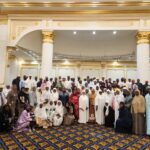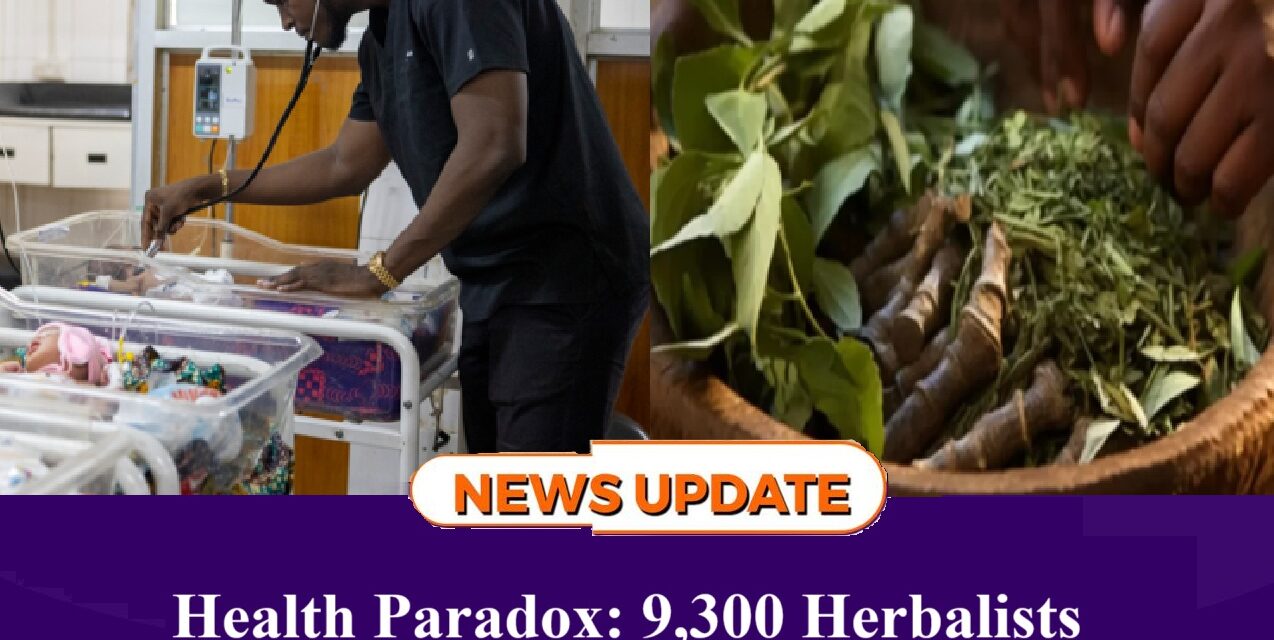
Freetown, 8th December 2025- The Sierra Leone Council of Traditional Healers has announced that more than 9,300 herbalists are officially registered across the country, a figure that underscores the scale and influence of traditional medicine in national healthcare.
Speaking on the Truth Morning Devotion, Dr. Sheku Tarawalie, President of the Council, said the union is determined to “clean its image” following recent controversies linking unregistered individuals to ritual practices.
“We have been misunderstood to be a diabolical institution, and that is not the truth,” Dr. Tarawalie stressed. “So many people claim to be herbalists, but they are not. We have data, and I can confirm that Hydara, who was arrested on allegations of ritual murder, is not a member of our union.”
According to Dr. Tarawalie, the country’s herbalists are highly specialized, with practitioners focusing on areas such as bone fractures, impotence, pain management, and other ailments.
“We do not have herbalists who perform ritual work for people to gain power. That is the evil side of it. Those who use body parts to get power are fake, and they only do it to get money,” he explained.
The Council insists that traditional healing is rooted in authenticity and community service. Registered herbalists undergo testing before being recognized. Sorcerers, for example, are assessed through object-finding exercises, while healers are evaluated based on the leaves and remedies they use.
“We want authorities to continue working with us to eradicate illegal herbalists in the country,” Dr. Tarawalie urged.
With 9,300 registered practitioners, traditional healing remains a vital part of Sierra Leone’s health landscape. From sorcerers to soweis, the Council emphasizes that all are herbalists united under one umbrella, committed to serving communities and preserving cultural heritage.
In contrast, the Sierra Leone Medical and Dental Association (SLMDA) indicates on its official website just about 900 medical and dental practitioners nationwide. In 2023, the government deployed 110 new doctors, half to rural areas and half to Freetown, marking a 20 percent increase in the public service workforce.
Yet, Health Minister Dr. Austin Demby acknowledged that of the little over 500 doctors available at the time, only 350 were in clinical care, leaving a vast amount of the population underserved.
The disparity between 9,300 herbalists and fewer than 1,000 doctors raises urgent questions about healthcare delivery in Sierra Leone. While traditional healers remain deeply embedded in communities, the shortage of trained physicians continues to strain hospitals and clinics, limiting access to modern medical care.
Whilst Dr. Tarawalie wants authorities to work with the Council to weed out illegal herbalists and restore credibility to their profession, health professionals worry that without significant investment in medical training and retention, Sierra Leone risks widening the gap between traditional and modern healthcare, with serious consequences for public health.