As the APC flagbearer contest gathers momentum, Dr. Ibrahim Bangura argues that victory must be pursued through democratic tolerance, responsible ambition, generational renewal and a commitment to keeping the party united after the vote.
By James Tamba Lebbie
The APC’s flagbearer contest will produce only one winner. Its more consequential test will be whether the party can emerge strong enough to support that winner.
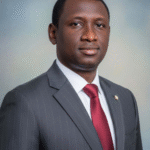
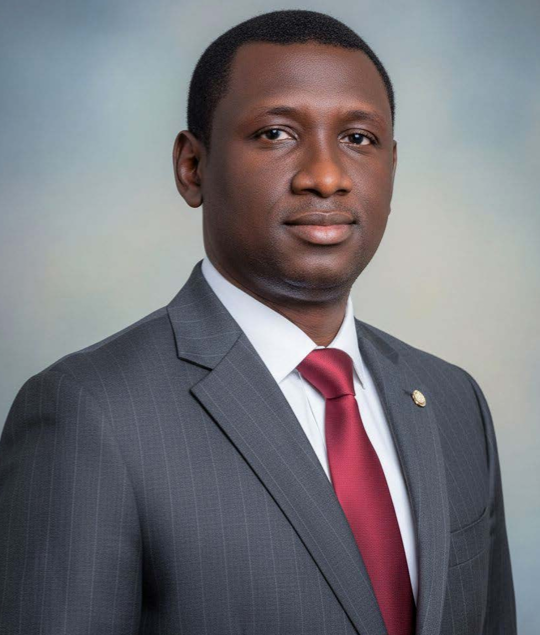
That is the central argument advanced by Dr. Ibrahim Bangura, an aspirant for the All Peoples Congress (APC) flagbearership, during a recent United Kingdom engagement. For Dr. Bangura, political competition should be vigorous but not destructive, ambitious but not entitled, and ultimately subordinate to the party’s future.
Organised by the DIB Iron Ladies, the programme brought together supporters, undecided members and stakeholders backing different aspirants.
DIB thanked the organisers, especially the women whose initiative made the event possible, and urged members to examine candidates, question their ideas, scrutinise their records and reach their own conclusions. He encouraged his supporters to challenge him and suggest areas for improvement, while offering respect to those backing other aspirants. Political competition, he believes, should never turn fellow party members into enemies.
The Contest is Important, but the Party is Bigger
DIB is clear about his ambition: he wants to win the APC flagbearer contest. Yet he insists that every candidate’s ambition must remain subordinate to the party’s future. “There can ultimately be only one flagbearer, but there must remain one APC,” he maintains.
An internal contest is temporary; a political party must endure beyond individual ambitions. Candidates should compete vigorously without demonising opponents, mobilise support without creating permanent hostility and pursue victory without treating humiliation as necessary.
The eventual flagbearer will need more than the support of those who campaigned for him or her. Winning while weakening the party that must carry the candidate into a national election would be a victory of questionable value.
“The APC Does Not Owe Him a Flag”
Dr. Ibrahim Bangura also rejects political entitlement. His relationship with the APC, he says, began long before the current contest. Born into the party, he grew up with an understanding of its history, traditions and sacrifices. He has served in various capacities, including organising, mobilising, advising and helping bring people together during difficult periods.
But he does not present that record as a demand for reward. “The APC does not owe me a flag,” he says.
Past service may strengthen a candidate’s case, but it does not confer ownership over the party’s highest positions. Leadership is not compensation; it is a responsibility entrusted through a legitimate process.
Women Beyond Political Mobilisation
The London programme also reflected the role women have played in DIB’s life. He has spoken of losing his mother when her presence was especially important, but says strong women later surrounded him; supporting, guiding, correcting and encouraging him.
Women, he argues, should not be treated simply as an electoral constituency mobilised during elections. They are leaders, organisers, professionals, entrepreneurs, mothers, mentors and community pillars. Their participation must extend into leadership and decision-making.
That is the wider significance he attaches to the DIB Iron Ladies initiative: women should help shape the future those campaigns promise.
Experience Is Not Enough
Dr. Bangura’s professional journey extends beyond partisan politics. For more than two decades, he has worked across governance, peacebuilding and development in Sierra Leone, Africa and internationally. But he adds an important qualification: Experience and titles alone do not make a leader.
Temperament, judgement, integrity and the ability to listen matter as well.
Dr. Bangura describes his leadership style as calm and consultative. He rejects the idea that leadership means shouting louder or attacking everyone who disagrees. Yet calmness, he stresses, must not be confused with weakness.
A leader can listen and still lead, consult widely and make difficult decisions. Political strength should be measured not only by aggression, but also by restraint, judgement and firmness when necessary.
Renewal without Rejecting the Past
Dr. Ibrahim Bangura sees himself as part of a generation that respects the APC’s history while understanding younger Sierra Leoneans’ desire for greater opportunities to participate and lead.
The party’s elders built and sustained it through sacrifice, and their wisdom deserves respect. At the same time, successful movements must renew themselves. Young people need credible pathways to leadership; women must be central to the party’s future; professionals and members of the diaspora need meaningful opportunities to contribute; and the grassroots must remain more than election-time foot soldiers.
DIB’s formulation is clear: “Renewal does not mean rejecting our past. It means building confidently on it.”
The APC must preserve its institutional memory without becoming trapped by it, while embracing renewal without abandoning the values that sustained it.
HEAL. UNITE. BUILD.
Dr. Ibrahim Bangura captures his philosophy in three words: HEAL. UNITE. BUILD.
To heal is to address divisions and grievances. To unite is to recognise that no individual, faction or aspirant is bigger than the APC. To build is to strengthen the party into a broader, disciplined and effective political movement.
He extends the message to Sierra Leone itself. Heal. Unite. Build., he argues, must also speak to Sierra Leone.
The country cannot achieve lasting peace and sustainable development if political competition continually produces mistrust and social division. Citizens may support different parties and candidates, but political identity should never erase national identity.
Sierra Leone must learn to disagree without becoming enemies, compete without destroying one another and debate without losing sight of the national interest. That requires reconciliation, dialogue, trust, stronger institutions, opportunities for young people, empowerment for women and responsible use of national resources.
A Leadership that Lowers the Temperature
At a time of polarised political discourse, Dr. Ibrahim Bangura is making a case for leadership that lowers rather than raises the temperature.
His argument is not against disagreement. Democracies require debate, competing ideas and scrutiny. The danger comes when disagreement becomes hatred, competition becomes destruction and ambition eclipses the collective good.
His alternative is leadership that builds bridges, seeks common ground without denying differences, listens without surrendering conviction and treats cooperation as a serious political responsibility.
No Movement Should Be About One Individual
Dr. Ibrahim Bangura insists that his political journey should not be about Ibrahim Bangura alone. No serious movement, he argues, should revolve around one personality. Its strength should lie in collective capacity rather than personal elevation.
Yet he remains uncompromising on one principle: a movement must not be built in a way that compromises its ability to lead with integrity tomorrow.
The way leadership is pursued matters.
He says he will not build his aspiration by destroying another person’s aspiration. Today’s rival may become tomorrow’s colleague, helping formulate policy, mobilise supporters or contribute to national development.
Should he lead the APC, his obligation would extend beyond those who supported him to those who did not, including elders, young people, women, grassroots members, professionals and the diaspora.
Everyone, in his view, must have a place in the APC that emerges after the contest.
He summarises the leadership he seeks to offer through five principles:
Experience without entitlement.
Confidence without arrogance.
Calmness without weakness.
Renewal without disrespect for history.
And ambition without division.
Whether these principles persuade APC decision-makers is for the democratic process to determine. But the underlying proposition deserves reflection.
An internal contest should be judged not only by its winner, but by whether the party emerges confident and prepared for the larger responsibility ahead.
For Dr. Ibrahim Bangura, while the contest matters, the process is as important as the outcome. And, what lies beyond the contest matters even more.