ACCRA, Ghana – Beaches, electric taxis and online work are creating new openings for young Sierra Leoneans, and a major new report on secondary education in Africa says the country’s schools can help them seize those jobs if classrooms connect more closely to the economy outside.
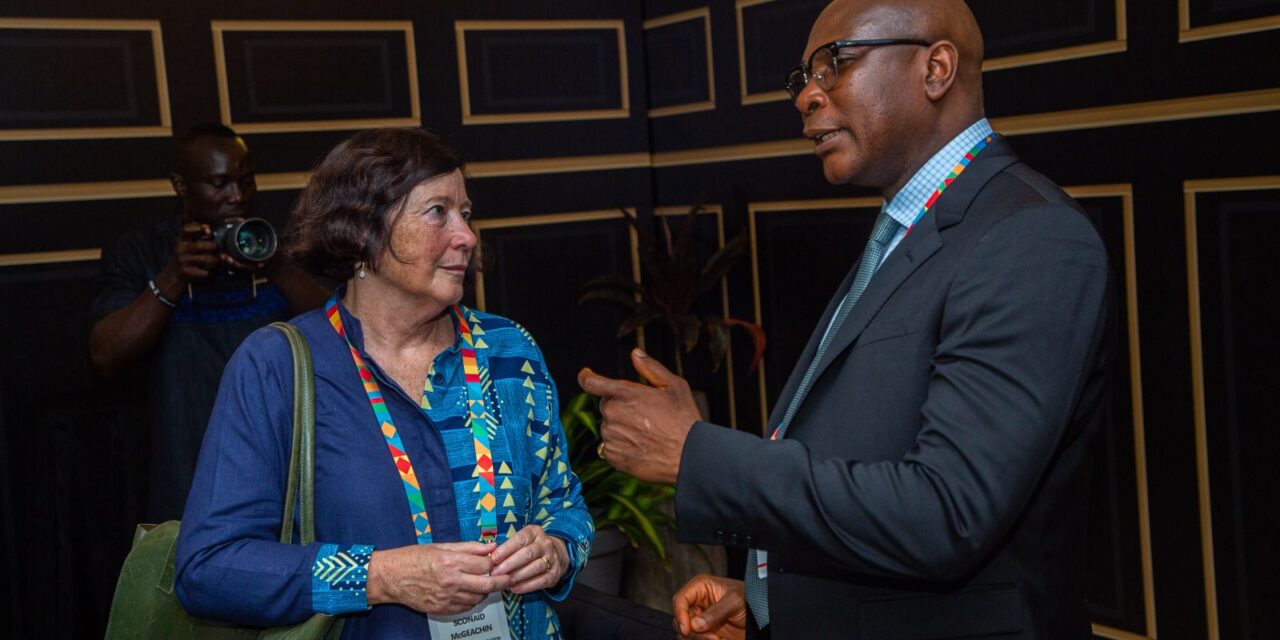
The Mastercard Foundation report, Secondary Education in Africa: Expanding Pathways to Work, Livelihoods, and Lifelong Learning, was launched in Accra, Ghana, on Tuesday before ministers of education, continental bodies, researchers, teachers and young people.
Sierra Leone is one of seven countries whose education systems were studied in depth for the report, and young Sierra Leoneans were consulted on what they need from school.
“Education for today’s young people, especially at the secondary level, must lead somewhere. For most young Africans, secondary school is the last time a system reaches them at scale,” said Sewit Ahderom, President and CEO of the Mastercard Foundation.
“It’s where we can make the biggest difference to whether they find dignified and fulfilling work,” he added.
Where the work is
Tourism is one of the clearest openings. The report finds Sierra Leone was among the countries with the fastest growth in visitor numbers in 2025, alongside Ethiopia, South Africa, Morocco and Egypt. In 2024, the sector drew just over 117,000 visitors, earned slightly more than US$100 million and employed about 49,600 people, 40 percent of them women, according to the World Bank. Tiwai Island’s listing as a UNESCO World Heritage Site in 2025 has added to the country’s appeal for eco-tourism.
Across Africa, jobs in accommodation and food services grew 57 percent between 2015 and 2025, faster than in any other sector, and women hold nearly three-quarters of them. Services are projected to overtake agriculture as the largest employer of young Africans by 2033, driven by retail, hospitality, care, digital and creative work.
Green and digital work are growing too. In October, 100 young Sierra Leoneans began training to drive and maintain a fleet of 50 electric vehicles in Freetown under the Sierra Ride initiative, supported by UNDP and the Armed Forces Training and Education Centre. The Skills for Youth Employment Fund, launched in Kenema last year, finances training for young people, including online work serving clients in other countries.
The economy as it is
The report is clear that most young people will build their working lives outside formal employment. Nearly 90 percent of employed young Africans work in the informal economy, and each year more than 10 million join the labour market while only about three million formal jobs are created.
“For many, informality is not a brief transition before a formal job. It is where they will begin and sustain their working lives,” said Eunice Muthengi, Director, Evidence and Learning Insights at the Mastercard Foundation, who presented the findings. “Education systems cannot prepare young people for a labour market that does not exist for most of them.”
That is why the report calls for entrepreneurship, financial and digital skills to sit alongside literacy and numeracy. To make the most of tourism, for instance, young people need entrepreneurship, marketing and financial skills as well as communication and resilience, it says.
“Fee-free schooling has brought more young people into our classrooms. The evidence in this report shows that reaching the last learner is not only a matter of justice; it is how we build the workforce our economy needs,” said Hon. Conrad Sackey, Minister of Basic and Senior Secondary Education.
Bridging school and work
The report finds that across Africa, schools rarely provide comprehensive support for the move into work, with weak links to employers. It recommends building career guidance, mentoring, work-based learning, internships, apprenticeships and entrepreneurship support into secondary education, through partnerships with employers.
“Young people need to know where opportunities are emerging, what capabilities they require, how to enter them, and how to keep progressing,” Muthengi said.
Sierra Leone has laid some of the groundwork. Its revised technical and vocational education act of 2025 prioritises skills that employers need and the recognition of prior learning, so that young people can get credit for skills learned outside the classroom. The report recommends exactly this kind of system: qualifications frameworks and recognition of prior learning that let young people move between school, training and work without starting again.
“Secondary education is still Africa’s main platform for preparing young people for work, but it must now evolve,” said Daniel Hailu, Interim Chief Program Officer at the Mastercard Foundation.
Young women first
Young women stand to gain most. They make up 61 percent of the 102 million young Africans not in employment, education or training. Bringing their rates closer to those of young men could help about 15 million more women into work and add an estimated $172 billion to Africa’s economy, the report estimates.
“This report is about us. Young people are not waiting for the future of work; we are already living it, in informal jobs, in businesses we start ourselves, and online,” said Jennifer Abomnyer, a youth representative from Nigeria who advised on the research.
“The Mastercard Foundation is committed to working alongside governments and partners to turn this evidence into action, so that young people leave school able to earn a living and build a future on their own terms,” Ahderom said.