By Ishmael Zay-Bangura
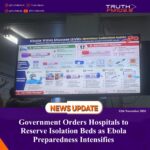
Freetown, 11th November, 2026 – The Government of Sierra Leone has directed all hospitals across the country to maintain at least two dedicated isolation beds as part of heightened efforts to strengthen preparedness against a potential Ebola Virus Disease (EVD) outbreak.
The directive was announced during a high-level engagement between the National Public Health Agency (NPHA), the Ministry of Health (MoH), and private healthcare practitioners held at the NPHA headquarters on Wilkinson Road in Freetown on Wednesday.
Speaking at the meeting, Director of Disease Prevention and Control at the Ministry of Health, Dr. Sulaiman Lakkoh, said every hospital must be ready to isolate and manage suspected Ebola cases should the disease re-emerge.
He stressed that preparedness extends beyond infrastructure, urging healthcare workers to maintain professionalism and vigilance when attending to patients presenting symptoms consistent with Ebola.
Dr. Lakkoh also highlighted the critical role of infection prevention and control measures, particularly in the handling and disposal of medical waste. He warned that medical and non-medical waste must be strictly separated, noting that improper waste management could increase the risk of disease transmission.
The health official further acknowledged challenges facing private health facilities in accessing emergency response services through the 117 hotline, particularly during nighttime hours. While recognizing these concerns, he assured participants that the national emergency line remains operational.
Also addressing the gathering, Deputy Executive Director of the National Public Health Agency, Dr. Mohamed Alex Vandi, said authorities are intensifying surveillance and preventive measures to prevent the Ebola virus from entering Sierra Leone.
“We are looking at all possible routes through which the virus could enter the country and are focused on strengthening preventive measures to keep Sierra Leone safe,” he said.
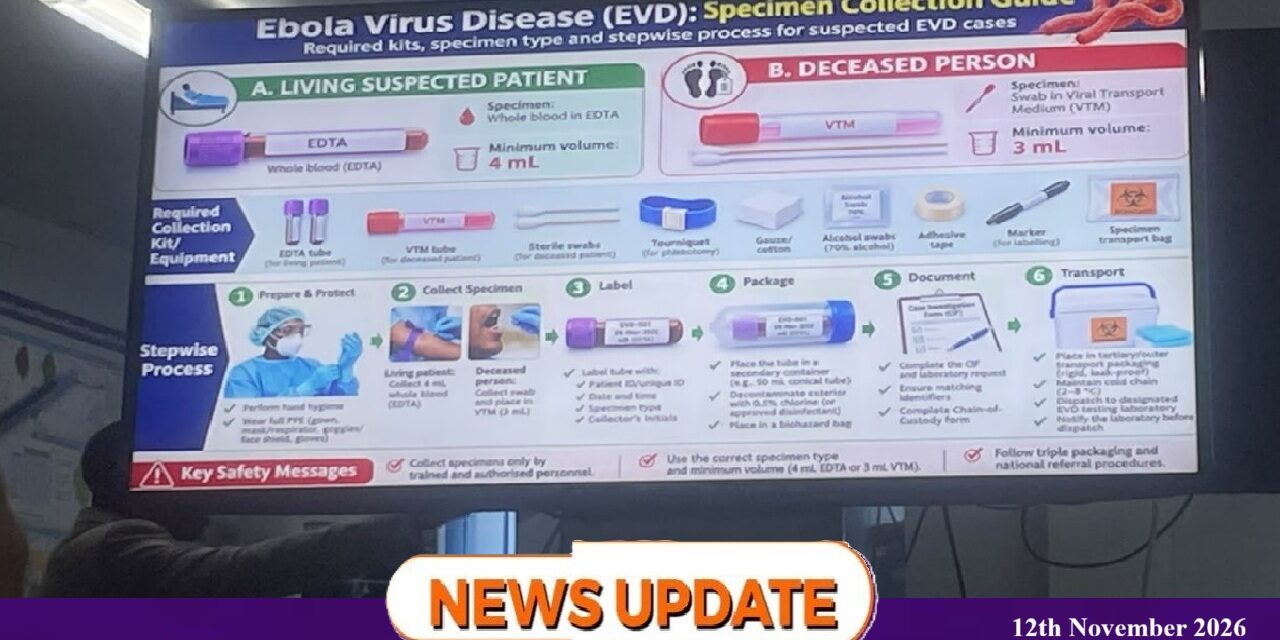
The engagement provided updates on surveillance systems, laboratory capacity, case management, infection prevention and control, and risk communication strategies. Participants also discussed operational challenges facing private healthcare providers and proposed measures to improve coordination and response readiness.
The meeting concluded with a series of agreed action points aimed at fully integrating private health facilities into the national Ebola preparedness and response framework, reinforcing the country’s readiness to respond swiftly to any potential outbreak.