By Davida Spaine-Solomon
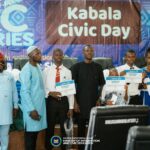
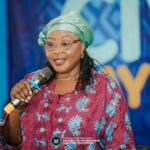
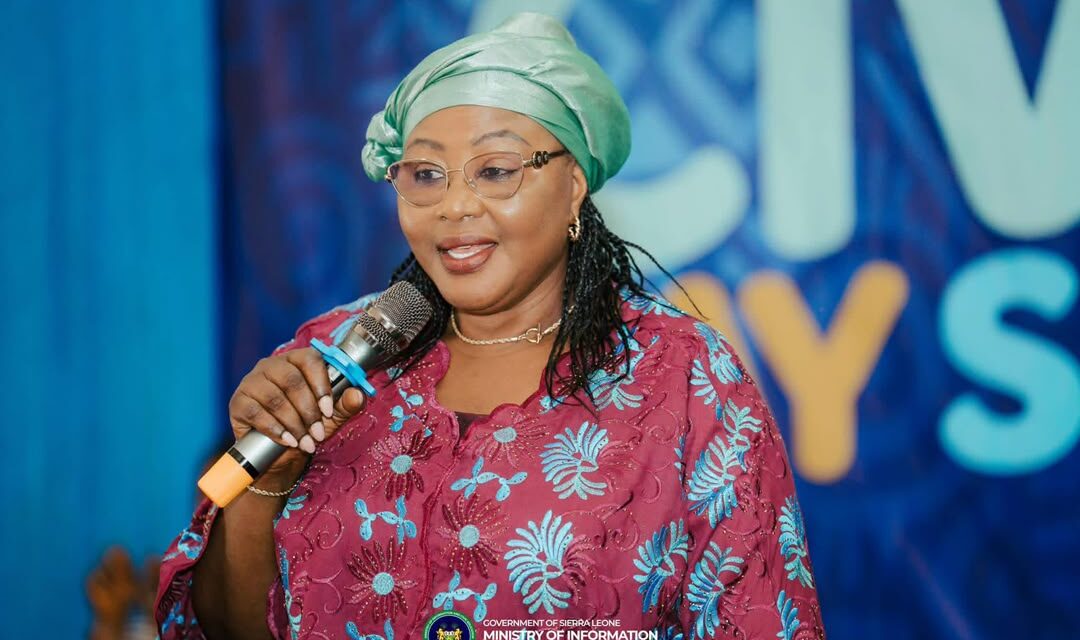
Koinadugu District, 3rd October, 2026 – Presidential Adviser on Gender Affairs, Isata Jabbie Kabba, has called on traditional and religious leaders in Koinadugu District to strengthen the fight against Sexual and Gender-Based Violence, child marriage and other harmful practices, while urging families to prioritise girls’ education. She made the call on day two of the Kabala Civic Day Series, held under the theme “Civic Townhall on Gender and 2026 Census.”
Addressing paramount chiefs, local authorities, religious leaders, women and other stakeholders, Kabba stated that ending violence against women and girls required collective action, particularly from community leaders who have significant influence over local practices and decisions.
She urged paramount chiefs to establish or strengthen chiefdom-level task forces on sexual and gender-based violence (SGBV), ensuring that cases are reported and referred to the appropriate authorities rather than settled privately.
“When a girl is raped, it is not a matter to be concealed or negotiated away. It is a serious crime, and the law must take its course,” she emphasised, warning against traditional practices that discourage survivors and families from reporting sexual abuse.
Kabba also called on Muslim and Christian religious leaders to use their platforms to educate congregations against rape, domestic violence, child marriage and other forms of abuse. She encouraged religious leaders to incorporate messages on the protection of women and girls into their regular sermons.
On child marriage, she reminded participants that Sierra Leone’s Prohibition of Child Marriage Act, 2024, sets 18 as the minimum age for marriage and provides for accountability for those involved in facilitating underage marriages.
She warned parents, guardians and religious leaders against participating in or endorsing marriages involving children, stressing that family or community approval does not exempt offenders from legal consequences.
The Presidential Adviser further noted the importance of girls’ education, describing it as an investment that benefits not only individual families but also entire communities and the country.
She encouraged parents to allow girls to complete their education and acquire vocational and professional skills before taking on adult responsibilities.
Kabba noted that education should not be limited to university qualifications, stating that technical and vocational training could also equip young people with the skills needed to become economically independent.
Highlighting the progress made on women’s political participation, she cited the Gender Equality and Women’s Empowerment (GEWE) Act 2022 and its 30 per cent quota for women’s representation in leadership and decision-making.
While acknowledging increased female representation in Parliament and local governance, she said more women from Koinadugu and Falaba should be encouraged to seek leadership positions.
To improve public understanding of gender-related laws and policies, Kabba called for their translation into local languages, including Kuranko, Madingo, Fula and Limba, to make them more accessible to rural communities.
She urged paramount chiefs, religious leaders and other community stakeholders to take responsibility for explaining these laws and ensuring that women and girls understand their rights and available protection mechanisms.
Kabba also reaffirmed President Julius Maada Bio’s commitment to women’s empowerment, acknowledging the Government’s efforts to expand women’s participation in governance and strengthen legal protections.
She said addressing SGBV requires sustained collaboration among government institutions, traditional authorities, religious leaders, parents, civil society organisations and communities.
The two-day Kabala Civic Day Series provides a platform for engagement on governance and development issues, with the day two focused on gender equality, women’s empowerment and the 2026 national census.