By Haja M’balu Tejan Kamara
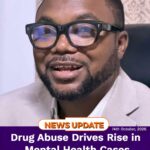
Freetown, 14th October, 2026 –The Director of Mental Health and Non-Communicable Diseases at the Ministry of Health, Dr. Abdul Jalloh, has revealed that illicit drugs like cocaine, ecstasy and “kush” remain major contributing factors to the increase in mental health cases in Sierra Leone.
He made this statement in an interview on Truth Media’s Truth Morning Devotion.
This year’s World Mental Health Day theme, “Lived Experiences: Real Voices, Real Changes,” emphasizes listening to people who have experienced mental health conditions, providing them with services, and supporting their recovery. The day is set aside to reflect, create awareness, and remind the public that mental health is a crucial part of overall well-being.
Dr Jalloh noted that comprehensive data on mental health cases is currently unavailable because it is collected only every six months.
He said evidence from health facilities shows that substance use disorder is among the highest reported mental health conditions in the country. “Substance use is the most reported case. We have recorded 3,000 cases of substance use disorder, followed by depression with 1,139 cases,” he said.
He further revealed that public trust in mental health services had significantly increased, leading to higher reporting and admission at the Kissy Mental Health Facility. According to him, the facility recorded a high number of cases between April and August this year alone. “The admissions from April to August for drug-related cases are 491, which is reduced compared to before. The young people are mostly affected, mostly males,” he stated.
He stated that the majority of those affected were young people aged between 18 and 35, with males forming the bulk of the cases, a situation he attributed to the rise in drug abuse, including cocaine and ecstasy, among youth.
Dr. Jalloh stated that they would embark on advocacy to schools. “We are going to schools and communities to talk to people, to make them understand what mental health means and to encourage anyone who has the problem not to be ashamed to seek help,” he said. They had also sat down with different organizations and NGOs to join hands together to sensitize people about mental health.
“Parliament has also brought a bill that will support mental health activities and will show how to take care of people with mental health conditions,” Dr. Jalloh revealed.