By Andrew Chokpeleh
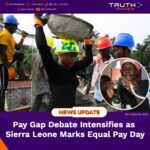
Freetown, 18th September, 2026 – As the world observes International Equal Pay Day, Sierra Leone finds itself at the centre of growing debates over wage disparities, with calls for fairer remuneration echoing across classrooms, campuses, markets, and security posts.
The observance, established by a United Nations resolution in 2019, is held annually on September 18 to spotlight the global push for equal pay for work of equal value. While the day emphasizes gender equality, Sierra Leone’s discussions have broadened to include wider concerns about inadequate salaries, rising living costs, and long-standing distortions in the public sector pay system.
For years, the Sierra Leone Teachers Union has pressed the government to improve salaries and working conditions. Many teachers, union leaders argue, earn less than the equivalent of 100 US dollars, about NLe 2,400 per month, leaving them unable to meet basic needs despite their critical role in shaping the nation’s future workforce. Western Regional Secretary of the Union, Foday Kuyateh, told the Sierra Leone Broadcasting Corporation (SLBC) that the disparity between teachers’ salaries and those of senior government officials, some earning over Le20,000 monthly, raises troubling questions about how essential workers are valued.
The Union of Academic Staff Associations (UASA) has staged an industrial action demanding a 100 percent salary increase, underscoring the frustration among lecturers who say their pay no longer reflects the responsibilities they shoulder in higher education. Security personnel have also joined the chorus of discontent. Patrol officer Daniel Mundi of AK Security Company said government-announced salary adjustments earlier this year have yet to materialize in workers’ take-home pay. “We face risks daily, but our salaries don’t reflect the demands of the job,” Mundi lamented, calling for urgent implementation of promised reforms.
New data from the World Bank’s 2026 Sierra Leone Gender Data Landscape highlights the structural inequalities that deepen the pay gap. Women’s labour force participation stands at 51.6 percent compared to 55.2 percent for men, while only 11 percent of senior and middle management positions are held by women. Less than 20 percent of women own land, limiting their economic independence, and just 27 percent have access to financial services compared to nearly half of men. Women account for only 8.8 percent of business ownership, underscoring barriers to wealth creation.
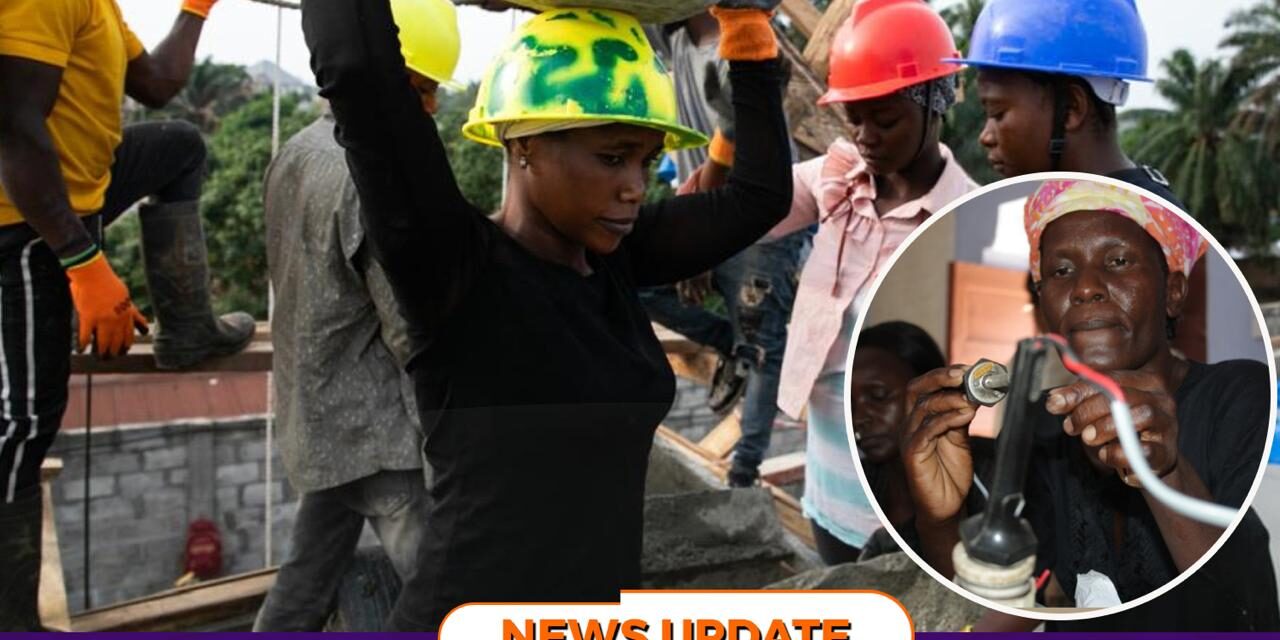
Beyond statistics, lived experiences reveal the human toll. Many women remain concentrated in petty trading and informal work, where earnings are low and unstable. Female teachers and lecturers report struggling with low pay compared to male counterparts despite equal qualifications.
Women entrepreneurs often cite discrimination in accessing loans, with banks requiring collateral that most cannot provide due to lack of land ownership. Early marriage and teenage pregnancy continue to push young women out of school, reducing their lifetime earning potential.
Against this backdrop of growing unrest, the Government has signalled a renewed commitment to reform through the work of the Wages and Compensation Commission (WCC). Established by law in April 2023, the Commission is tasked with harmonizing salaries across the public service and replacing fragmented, ad hoc pay arrangements with a transparent and equitable framework.
Earlier this year, the Commission unveiled its maiden newsletter themed “Shaping a Transparent and Equitable Public Sector”, outlining progress toward a fairer salary system. Officials say the reforms go beyond harmonization, aiming to design a modern compensation framework that rewards performance, promotes equity, and strengthens productivity.
The WCC has already developed a three-year Strategic Plan and engaged Ministries, Departments, and Agencies (MDAs) to clarify its role. A study tour to Ghana’s Fair Wages and Salaries Commission provided lessons on phased implementation and stakeholder engagement, which Sierra Leone is now adapting to its own context.
The convergence of Equal Pay Day activism, gender data revelations, and the WCC’s reform agenda underscores a national challenge: ensuring that workers across sectors are compensated fairly in line with their responsibilities and economic realities. While the Commission’s work represents a significant milestone, authorities caution that meaningful reform will take time, as aligning salaries across a diverse public service must balance fairness with affordability.
As Sierra Leone joins the global observance of Equal Pay Day, the debate has shifted from gender parity alone to the wider issue of wage justice. For teachers, academics, security personnel, and countless women striving in informal markets, the day has become a rallying point for fairness, dignity, and recognition in their paychecks, while the Wages and Compensation Commission works to lay the foundation for lasting reform.