By Davida Spaine Solomon and Janita Fatmata Jenkins
Freetown, 21st August, 2026 –Sierra Leonean media stakeholders have adopted a Gender‑Responsive Safeguarding Charter aimed at strengthening protections for journalists and media workers against sexual harassment, exploitation, abuse, discrimination, and retaliation.
The move follows findings from a 2025 study conducted by the World Association of News Publishers (WAN‑IFRA) Women in News, in partnership with City, University of London’s St George’s and BBC Media Action. Covering 21 countries across Sub‑Saharan Africa, the Arab region, Southeast Asia, and Ukraine, the study revealed stark gender disparities: female media professionals in Sierra Leone reported experiencing verbal, online, and physical sexual harassment at nearly twice the rate of their male counterparts.
Presenting the findings, BBC’s Senior Research Officer, Josephus Kongo, said 27% of the 298 media professionals surveyed in Sierra Leone reported experiencing sexual harassment in the newsroom or workplace, compared with the Sub-Saharan African average of 33%.
He said online sexual harassment was the most common form, with 57% of women surveyed reported experiencing it, compared with 32% of men. He also stated that the report found that 54% of women experienced verbal sexual harassment, compared with 26% of men, while 21% of women reported physical sexual harassment, compared with 9% of men.
However, he said reporting remains a major challenge. He noted that the study found that 72% of women and 81% of men who experienced verbal harassment did not report it to their employers. For online harassment, he said 76% of women and 82% of men did not report their experiences.
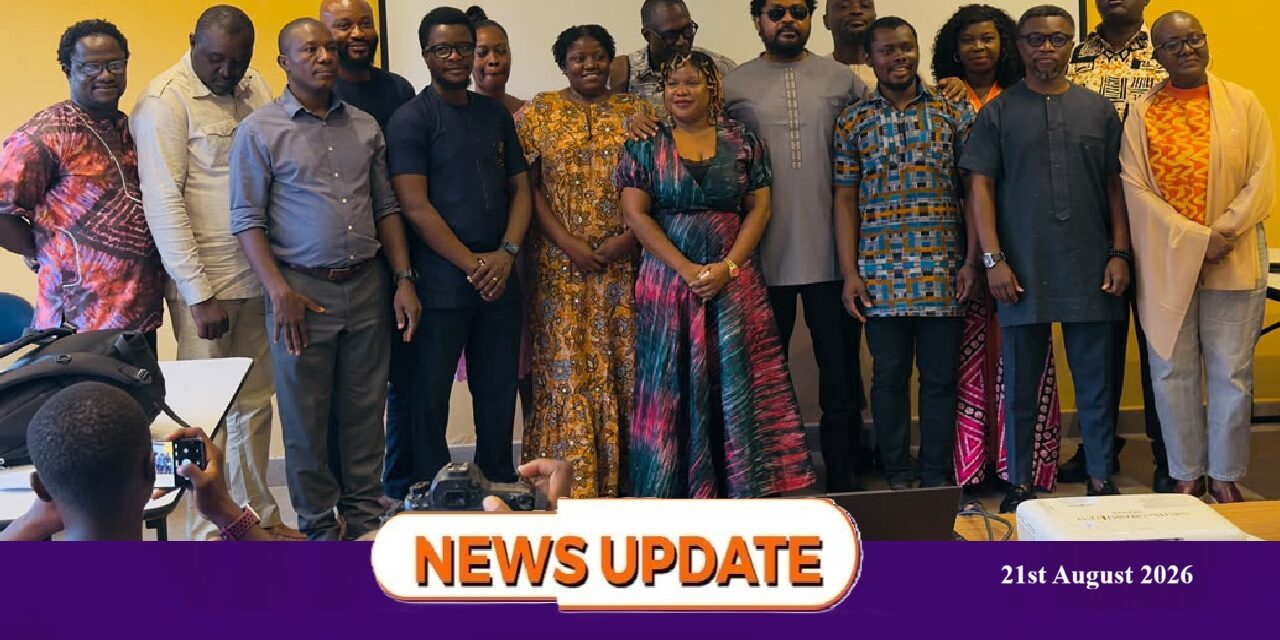
The one-day forum, held under the theme: “Advancing Gender-Responsive Safeguarding Policies in Media Houses,” brought together media owners, executives, journalists, and other stakeholders to discuss sexual harassment in the media and identify practical institutional safeguarding mechanisms.
The charter was adopted on Friday, 21st August, 2026, at a Policy Dialogue Forum on Gender Justice in the Media, organised by Women in the Media Sierra Leone (WIMSAL), with support from Comic Relief and in partnership with BBC Media Action, held at the Civil Service Training College, State Avenue, Tower Hill, Freetown.
Delivering the keynote address on “Gender Justice as a Cornerstone of Media Freedom,” BBC Media Action Director, Musa Sangarie, said there could be no truly free media if women were not able to participate fully, safely and equally. Sangarie said gender justice should not be treated as an additional issue for the media but as a fundamental component of media freedom. He called on media institutions to establish and enforce anti-harassment policies, create confidential reporting channels, protect complainants from retaliation, invest in women’s leadership and address the growing threat of online gender-based violence against women journalists. He also urged media organisations to improve women’s representation in editorial leadership, management and decision-making.
The National Coordinator, Media Reform Coordinating Group (MRCG), Dr Francis Sowa, said gender justice was essential to the credibility, professionalism and sustainability of Sierra Leone’s media. He called for stronger institutional safeguards, including confidential and accessible reporting mechanisms, clear procedures for investigating complaints, protection against retaliation, institutional accountability and continuous training for media managers and staff.
The President of the Sierra Leone Association of Journalists (SLAJ), Alhaji Manika Kamara, said safeguarding could no longer be treated as an optional issue within media institutions. He urged media houses to establish clear policies, accessible reporting channels, confidential complaint mechanisms and fair procedures for addressing allegations of sexual harassment and other forms of abuse. Kamara also endorsed the proposed safeguarding charter, stressing that addressing sexual harassment was not solely a women’s issue but a professional, institutional and human rights concern requiring collective action.
The President of the Sierra Leone Association of Women in Journalism (SLAWIJ), Millicent Kargbo, highlighted the growing threat of technology-facilitated violence against women journalists. She referenced SLAWIJ’s 2022 Project titled: “Threats Against Public-Facing Women in Sierra Leone.” According to her, the research found that 64% of women journalists and human rights defenders surveyed had experienced harassment, insults or threats both online and offline. Kargbo said the proposed safeguarding charter would provide media institutions with a framework for confidential reporting, accountability and protection against harassment both within physical workplaces and online.
The President of the Sports Writers Association of Sierra Leone (SWASAL), Sahr Morris Jr, also expressed support for the initiative, particularly measures addressing the safety of female sports journalists. He said female sports journalists often work in male-dominated and high-pressure environments, including stadiums, press boxes and other sporting spaces, making gender-responsive safeguarding policies necessary.
The Independent Media Commission’s Executive Secretary, Khalil Kallon, said regulation alone could not address sexual harassment and abuse within the media sector. He called for strong institutional policies, effective complaint mechanisms, protection for survivors and whistle-blowers, leadership commitment and a workplace culture where all media workers could operate with dignity and without fear.
Presenting the safeguarding charter, lawyer Paul Kallon said the Gender-Responsive Safeguarding Policy for Media Institutions, 2026 establishes minimum institutional standards for preventing sexual exploitation, abuse and harassment, eliminating gender-based discrimination, promoting gender equality and ensuring accountability.
The policy applies to proprietors, directors, managers, editors, journalists, freelancers, interns, volunteers, contractors and others engaged in the affairs of adopting media institutions.
It extends to newsrooms, field assignments, travel, accommodation, professional events and work-related digital communications.
Among other provisions, the policy requires media institutions to establish accessible and confidential reporting channels, designate safeguarding focal persons, provide periodic training, protect complainants and witnesses, facilitate appropriate survivor support and ensure impartial investigations.
It also prohibits sexual harassment, sexual exploitation and abuse, gender-based violence, discrimination, intimidation, coercion, abuse of professional authority, technology-facilitated sexual and gender-based abuse and retaliation.
The policy further called for meaningful representation of women in governance, management, editorial leadership, recruitment, promotion, professional development and safeguarding structures.
Copies of the document were distributed to some media houses for review, with the institutions expected to sign and return them as part of the process of endorsing the safeguarding commitments.
WIMSAL President Eastina Taylor-Tucker said the organisation plans to conduct a series of trainings for media owners and managers if funding becomes available. She said continued training and engagement would be important to ensure that the commitments made at the dialogue are translated into practical safeguards within media institutions.
Stakeholders said creating safer and more inclusive media workplaces is essential to protecting journalists, particularly women, while strengthening media freedom, professionalism and public trust in Sierra Leone.
The forum concluded with a call for media owners, managers, journalists, professional associations, regulators, civil society and government to move beyond policies on paper and strengthen implementation, enforcement, monitoring and accountability.