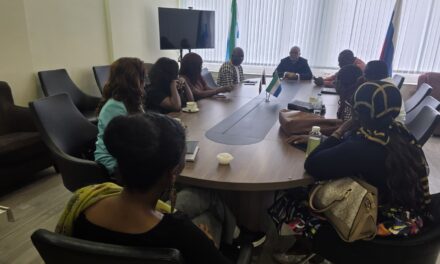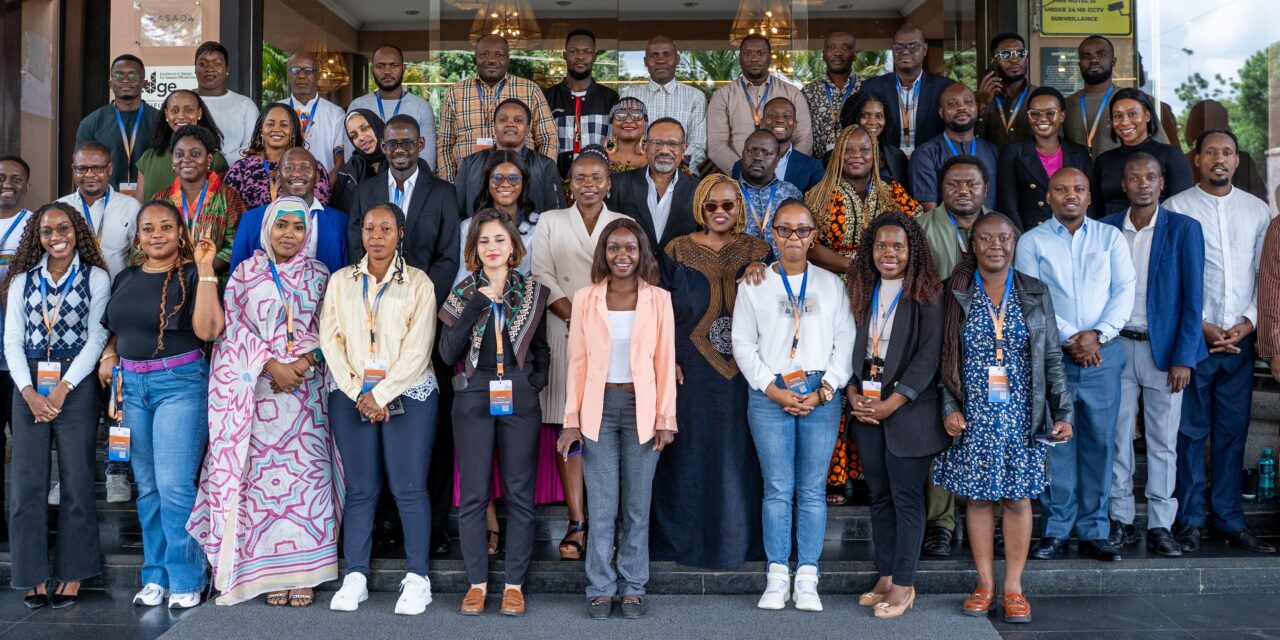
Freetown, 4th June 2026-The sixth edition of the African Media Initiative (AFROMEDI VI) marked a significant milestone in strengthening Africa’s media capacity to report on debt, development, and economic justice. Convened in Nairobi, Kenya, the three-day programme brought together 39 journalists from East, West, Central, North, and Southern Africa for intensive capacity enhancement, dialogue, and collaboration on some of the continent’s most pressing debt and development challenges.
AFROMEDI VI was jointly organised by AFRODAD and Transparency International Kenya, bringing together two leading institutions in advancing accountability, transparency, and good governance. Together, we provided journalists with practical tools and policy insights to investigate and report complex debt issues in ways that resonate with citizens and decision-makers alike.
A major outcome of AFROMEDI VI was the introduction of A-LeDD (AFRODAD Learning on Debt and Development), a free, competency-based digital learning platform designed to democratise knowledge on debt, development finance and related themes. The platform will offer self-paced learning, short courses, and practical resources aimed at strengthening understanding and engagement on debt and development finance issues. The platform targets journalists, civil society actors, policymakers, researchers, students, and engaged citizens seeking to deepen their understanding of debt and development finance issues. By removing cost barriers and enabling flexible learning, A-LeDD creates opportunities for continuous knowledge building and informed engagement on issues that shape Africa’s development trajectory.
Participants committed to:
Amplifying and contextualising the African Common Position on Debt by highlighting Africa’s collective priorities and proposals for reforming the international debt architecture, and ensuring that African perspectives and solutions are reflected in national, regional, and global debt discussions.
Promoting greater awareness of the Lomé Declaration by reporting on its calls for a fairer, more transparent, and development-oriented global debt system, including improved debt restructuring mechanisms and enhanced accountability among all stakeholders involved in lending and borrowing.
Strengthening public understanding of debt and development issues by producing accurate, evidence-based, humanised and citizen-centred reporting on debt sustainability, its implications for national development, and the social and economic impacts of debt-related policy decisions.
Enhancing the scrutiny of sovereign debt governance by reporting on borrowing and debt management practices, the implications of IMF and World Bank policy prescriptions, and the evolving role of bilateral, multilateral, and private creditors in Africa’s debt landscape.
Voicing the people on debt justice, transparency, and accountability by engaging diverse voices, including policymakers, civil society, affected communities, and experts.
Looking ahead
As debt servicing continues to consume an increasing share of public resources across the continent, the need for informed, investigative, and solutions-oriented reporting has never been greater.
AFROMEDI VI reinforced a powerful reality: debt is not merely an economic issue; it is a governance issue, a development issue, and ultimately a citizen issue. The decisions made in loan negotiations, budget allocations, and international financial institutions directly affect the quality of public services, economic opportunities, and the prospects of the majority of Africans.
As participants return to their respective countries, they do so not only as journalists but as members of a growing Pan-African movement committed to advancing transparency, accountability, and debt justice. Through their reporting, collaboration, and continued engagement, they will help shape a more informed public discourse and contribute to a future where debt serves development rather than constraining it.
AFROMEDI VI therefore closes not as the end of an event, but as the beginning of a stronger continental movement of journalists equipped to tell Africa’s debt story, challenge opaque financial practices, and champion a debt and development agenda that places African people at its centre.