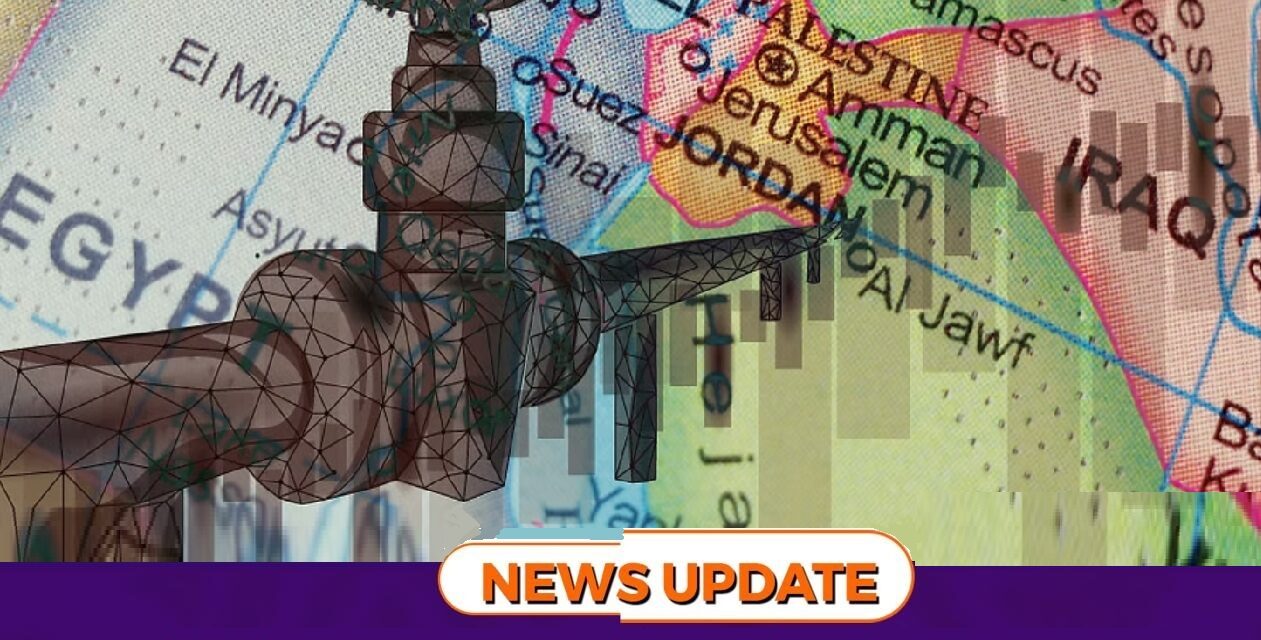
Washington, D.C. 14th April 2026 — The heads of the International Energy Agency (IEA), International Monetary Fund (IMF), and World Bank Group have sounded an alarm over the far-reaching energy and economic consequences of the ongoing war in the Middle East, pledging coordinated support to countries hardest hit.
Meeting under a coordination group established earlier this month, the leaders noted that the conflict has triggered sharp increases in oil, gas, and fertilizer prices, disproportionately affecting energy-importing nations and low-income countries. They warned of mounting concerns over food security, job losses, and disrupted livelihoods.
The statement highlighted that shipping through the Strait of Hormuz remains unstable, with global supplies of key commodities unlikely to return to pre-conflict levels quickly. Even after flows resume, fuel and fertilizer prices could remain elevated for a prolonged period due to damaged infrastructure. The war has also displaced populations, reduced tourism, and disrupted industries dependent on energy and food inputs.
Ahead of the release of the IEA’s monthly Oil Market Report and the IMF’s World Economic Outlook on April 14, the institutions shared their latest assessments and discussed tailored responses. The IMF and World Bank pledged financial support where needed, while all three institutions committed to providing policy advice and technical expertise at the country level.
“We will continue to monitor closely and assess the impact of the war on energy markets, the global economy, and individual countries,” the joint statement read, adding that the institutions will coordinate with other international organizations to lay the foundations for a resilient recovery that delivers stability, growth, and jobs.