By Janet Mumgbay Zizer
Freetown, 13th April 2026 — A few days ago, Sierra Leone joined the world in marking World Health Day 2026 under the theme “Together for Health: Stand with Science.” For a country long burdened by maternal and child mortality, the message resonates deeply.
Recent figures show Sierra Leone’s under‑five mortality rate at 90.74 per 1,000 live births, a modest decline of 3.61% from 2025. The government has set an ambitious target of reducing this further to 75 per 1,000. On maternal health, the national maternal mortality ratio has fallen to 354 per 100,000 live births between 2020 and 2023, reflecting notable progress.
These improvements are linked to interventions such as expanded ambulance services, increased medical supplies, mobile applications for nurses, and the renovation of health facilities nationwide. In March 2026, President Julius Maada Bio launched the “300 Days of Activism for Maternal, Newborn and Child Survival” in partnership with the UN Population Fund, aimed at accelerating progress.
Yet, beneath the statistics lies a troubling reality. Families across communities like Kroo Bay report that childbirth often comes with out‑of‑pocket payments, despite the Free Health Care Initiative launched in 2010 to cover pregnant women, lactating mothers, and children under five.
Strikingly, these informal charges are gendered. Residents allege that they have to pay, “300 Leones for a male child, 250 Leones for a female child.” This disparity not only undermines the principle of free healthcare but also raises serious questions about fairness and equity.
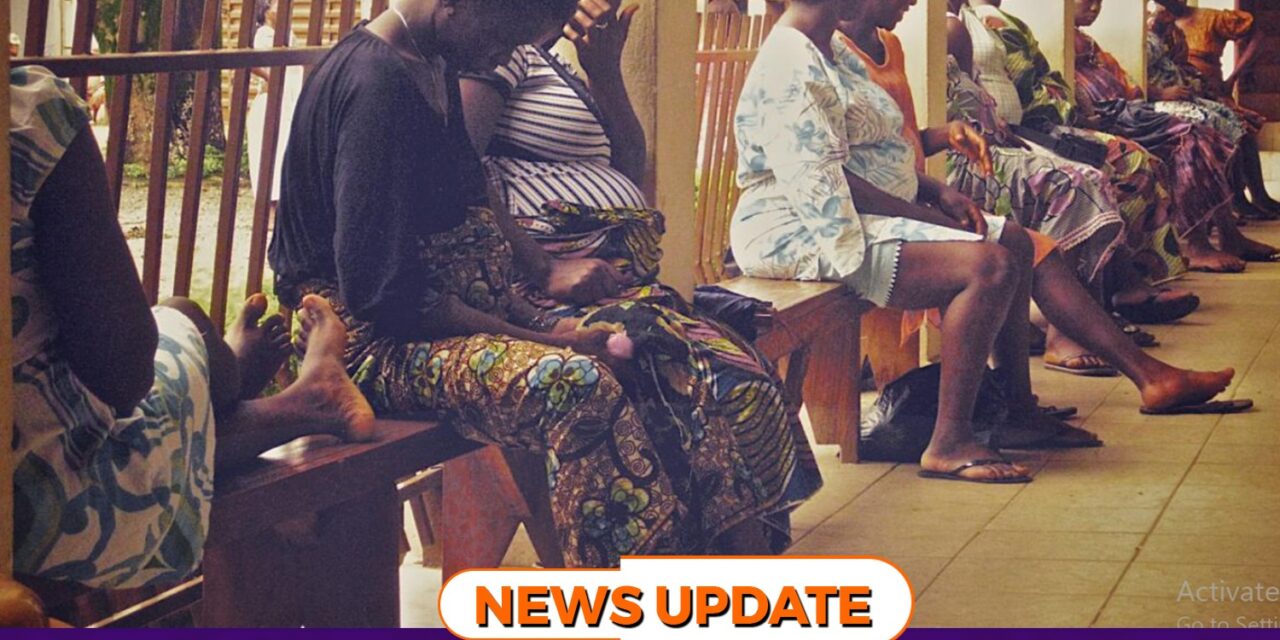
For mothers already struggling with poverty, these hidden costs can be devastating. Residents describe overcrowded hospitals, lack of beds, and preventable deaths. A nurse, speaking anonymously, pointed to systemic issues such as poor hygiene, counterfeit drugs, and inflated medication prices.
Adama Carew, a mother, recalled nights spent in overcrowded wards where women delivered without proper care. “Sometimes, you pay even when they say it is free. And if you don’t have money, you wait, sometimes too long,” she said.
Community members like Ibrahim Sesay and Vandi Lahai lament that the health system remains “poor to the poor,” with illnesses that should not be fatal still claiming lives.
The informal practice of charging more for boys than girls reflects a deeper cultural bias. While the difference may seem small, it symbolizes how gender inequity begins at birth. Girls, already disadvantaged in education and opportunity, face discrimination from the very moment they enter the world.
President Bio, speaking in Addis Ababa earlier this year, reaffirmed his government’s commitment to maternal and child health. But experts argue that tackling hidden costs and gender disparities must be central to reform.
Progress is visible, maternal deaths are declining, and child survival rates are improving. Yet the journey toward accessible, equitable, and truly free healthcare remains unfinished. Until families no longer face hidden charges, and until boys and girls are treated equally from birth, Sierra Leone’s health revolution will remain incomplete.